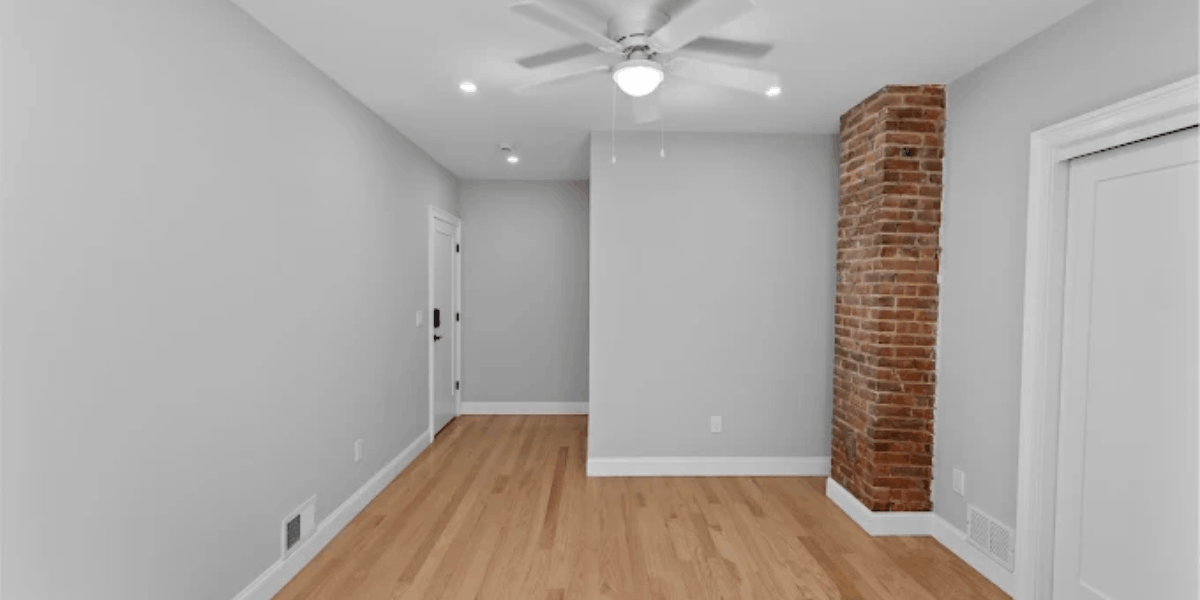
Remodeling a basement is one of the most effective ways to add usable living space, comfort, and value to your home. Costs can vary depending on the size of the basement, the materials you select, and the amount of construction work required. From basic updates to complete transformations, understanding average prices helps you plan wisely. This guide explains what you can expect to spend in 2026 so you can set a clear and realistic budget before starting your project.

The average Basement remodel cost in 2026 depends on the size, design, and purpose of the remodel. A simple unfinished-basement update may cost $8,000 to $20,000, while a full finished basement typically ranges from $20,000 to $60,000. High-end or luxury basement projects like home theaters, extra bedrooms, bars, or second living areas can exceed $80,000+. Your location, labor rates, and material choices also affect the final price. Basic updates like painting or flooring stay on the lower side, while adding bathrooms, wet bars, or structural changes increases costs.
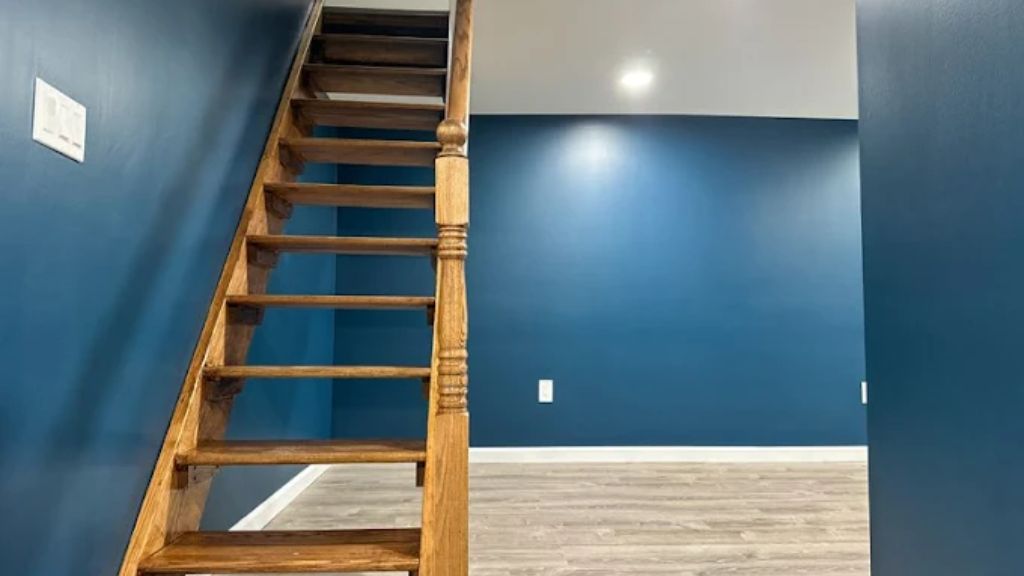
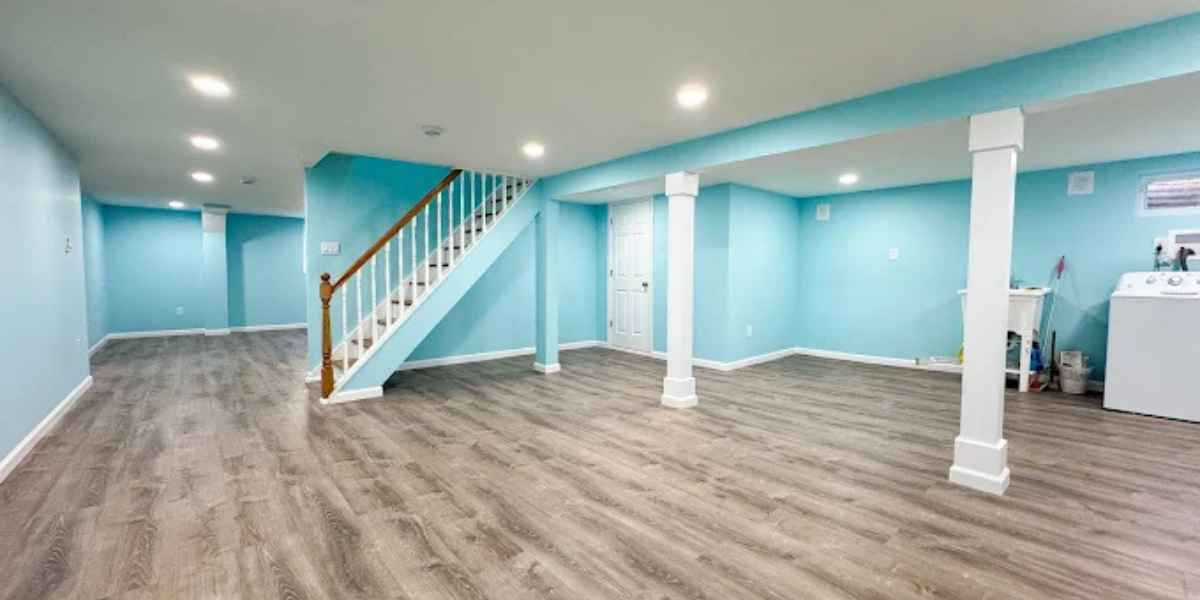
Small Unfinished Basement Refresh: Basic upgrades painting, waterproofing, lighting, and flooring typically cost $8,000- $20,000, depending on materials and repairs needed.
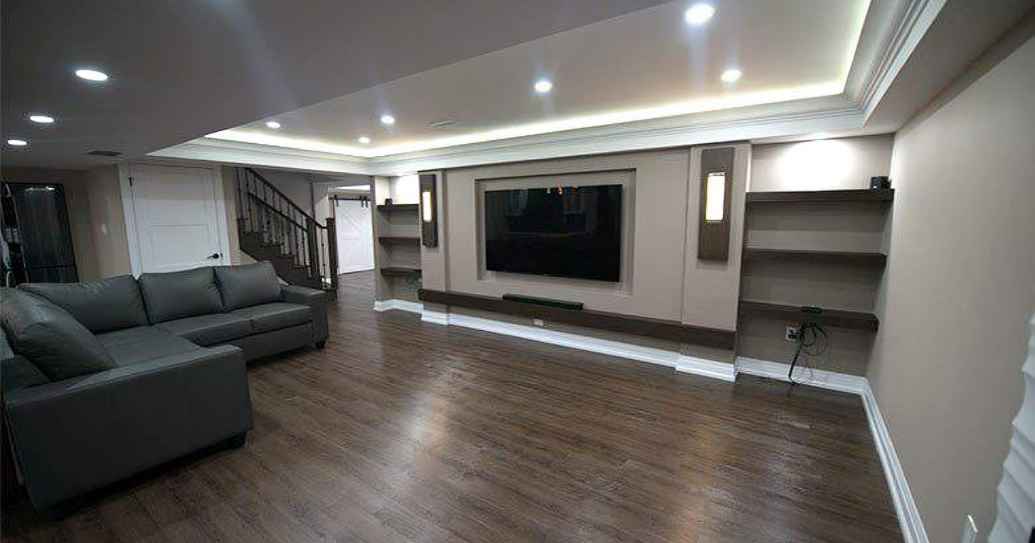
Mid-Sized Finished Basement: A standard finished basement (recreation room, drywall, flooring, lighting) usually costs $20,000–$40,000, influenced by layout and design choices.
Large Finished Basement: A spacious basement over 1,000 sq. ft. with multiple living zones often costs $40,000–$70,000, depending on features like doors, storage, and flooring.
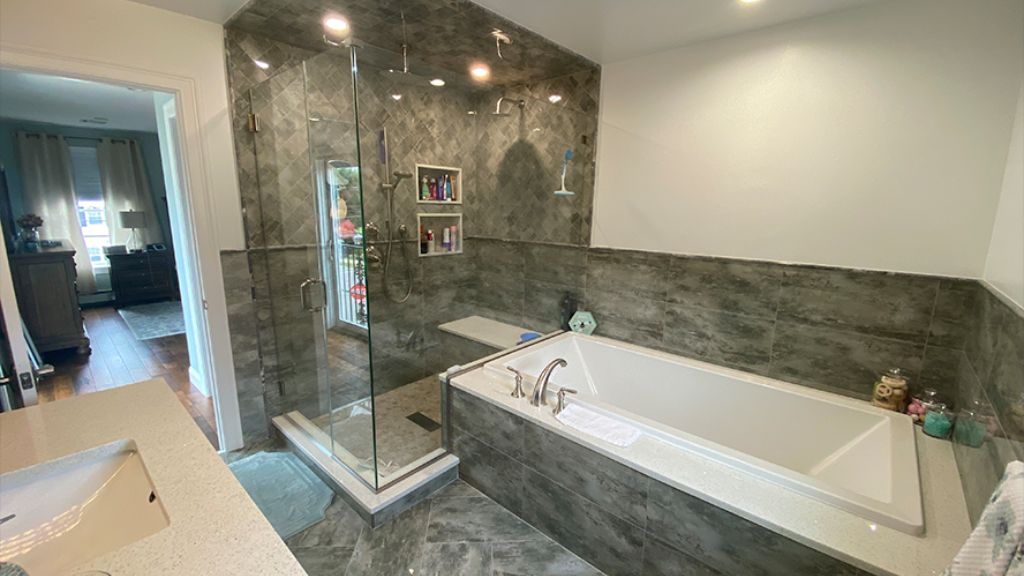
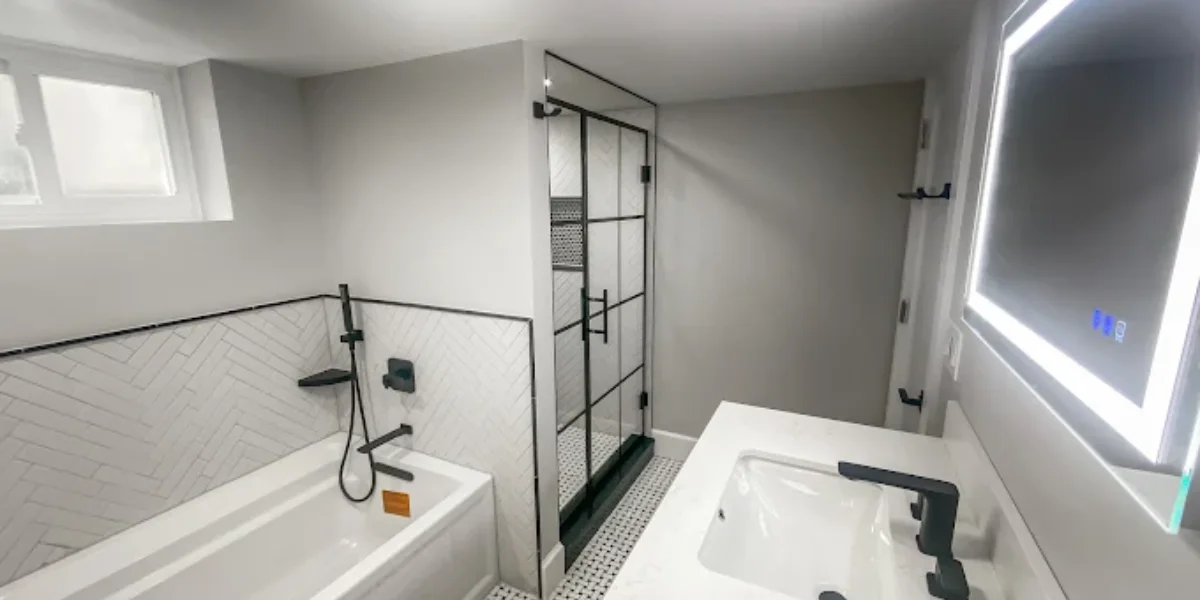
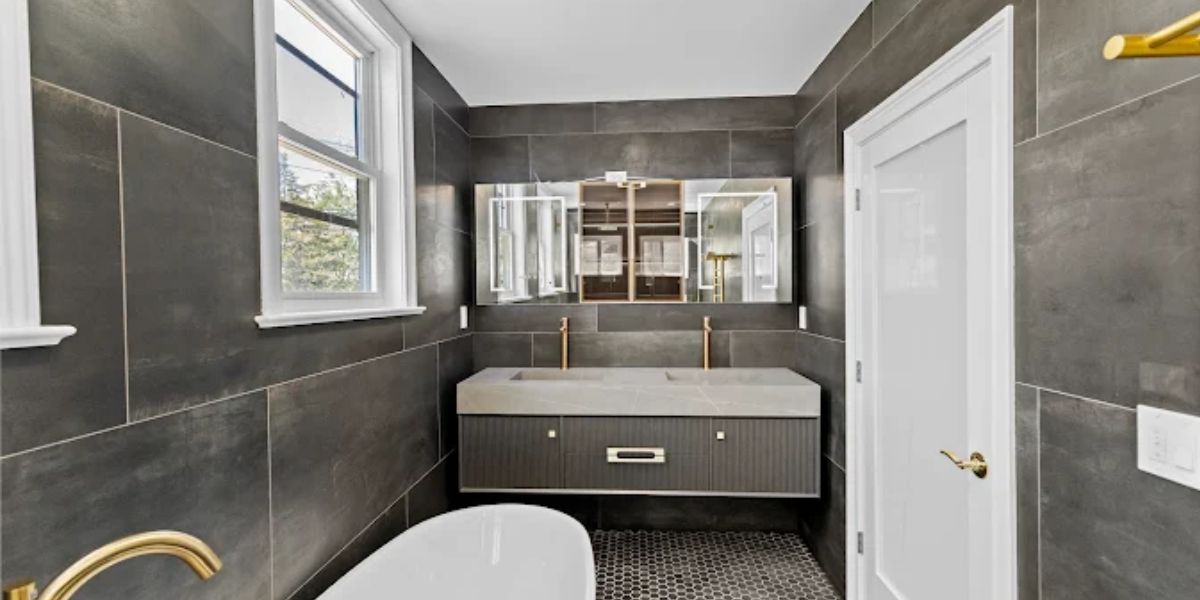
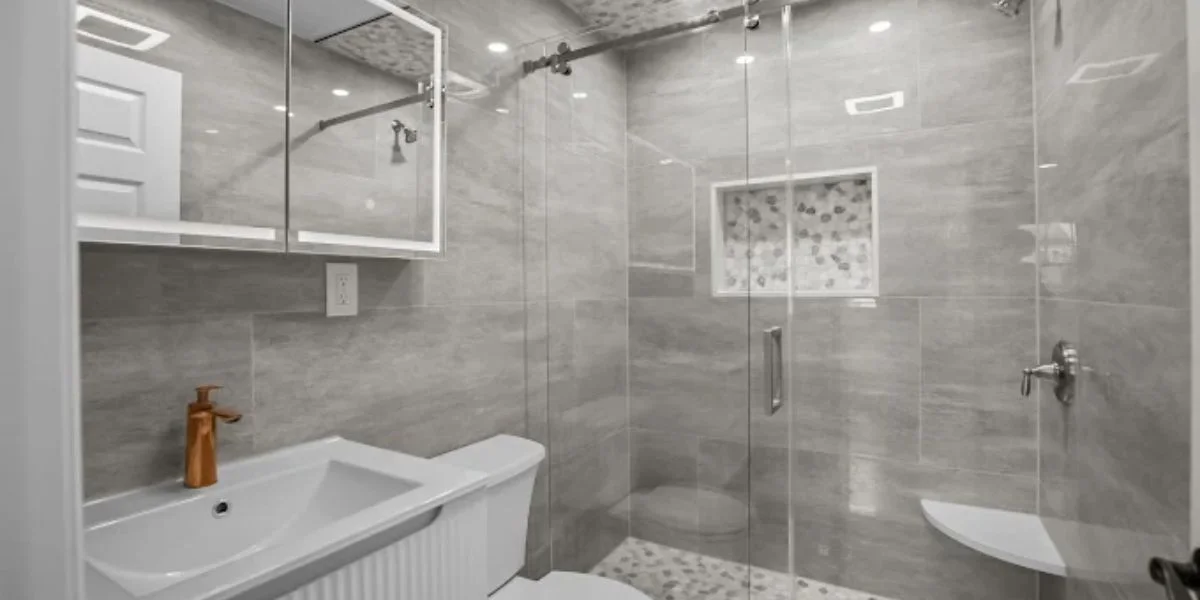
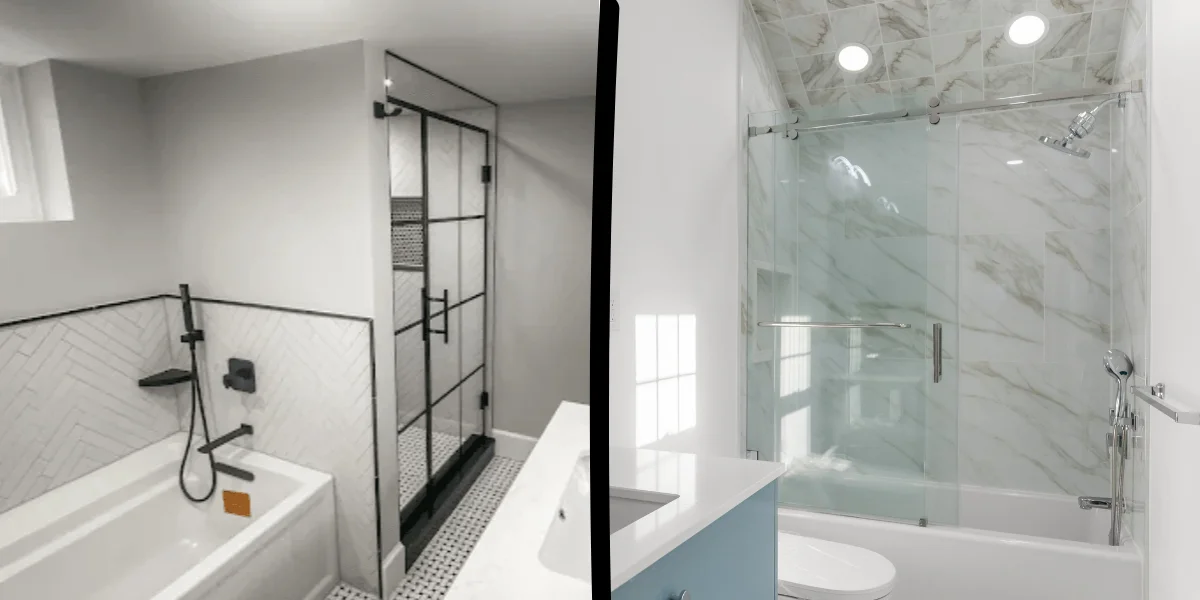
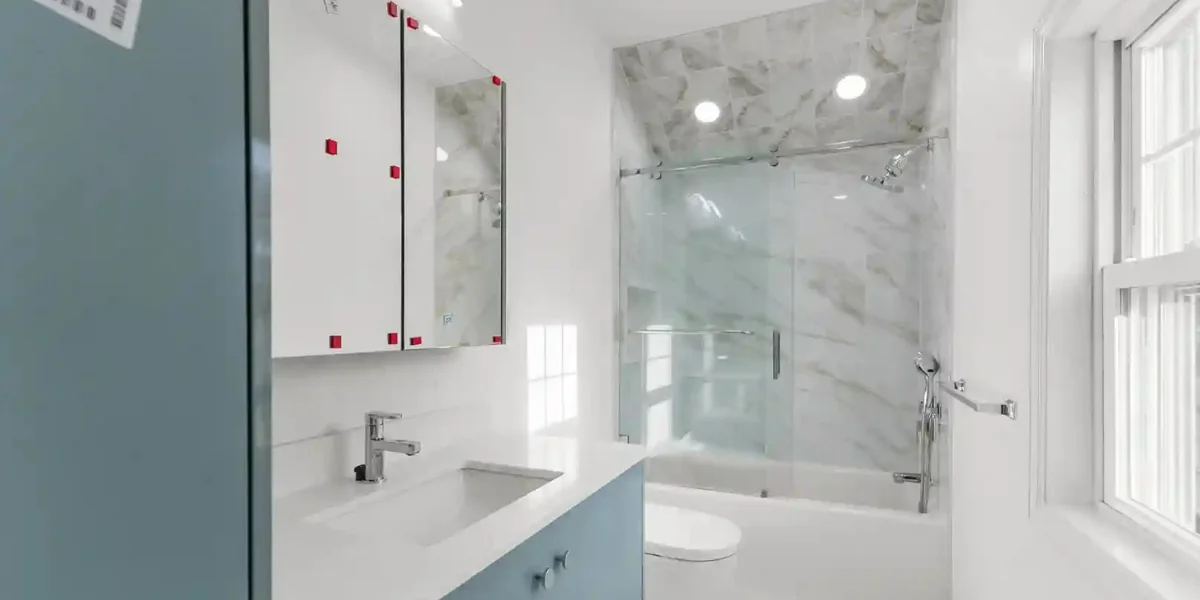
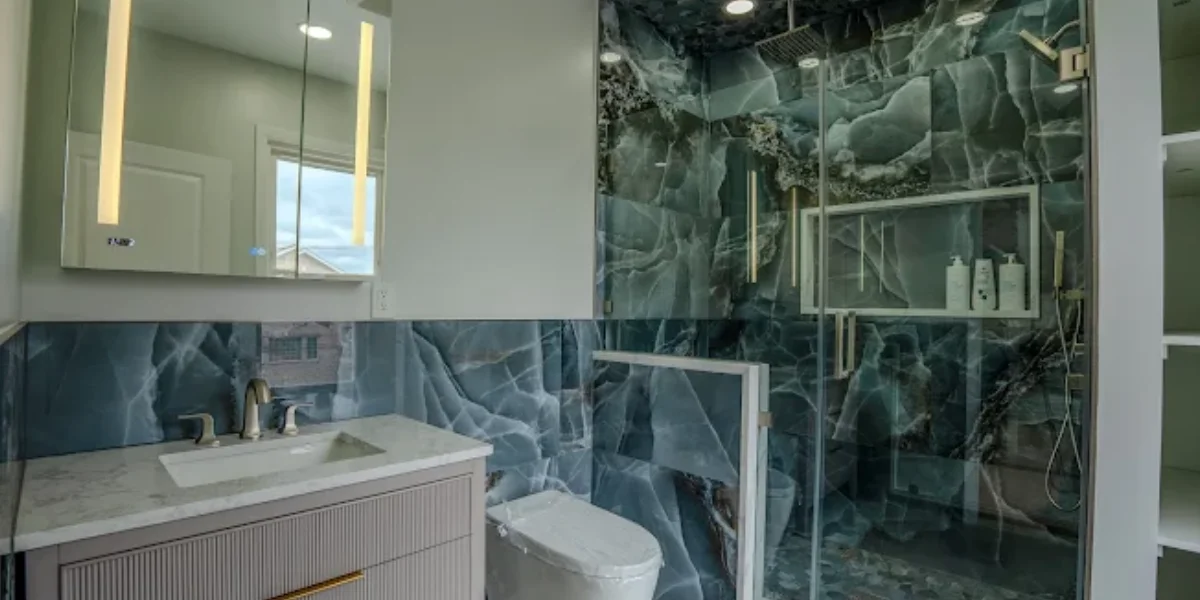
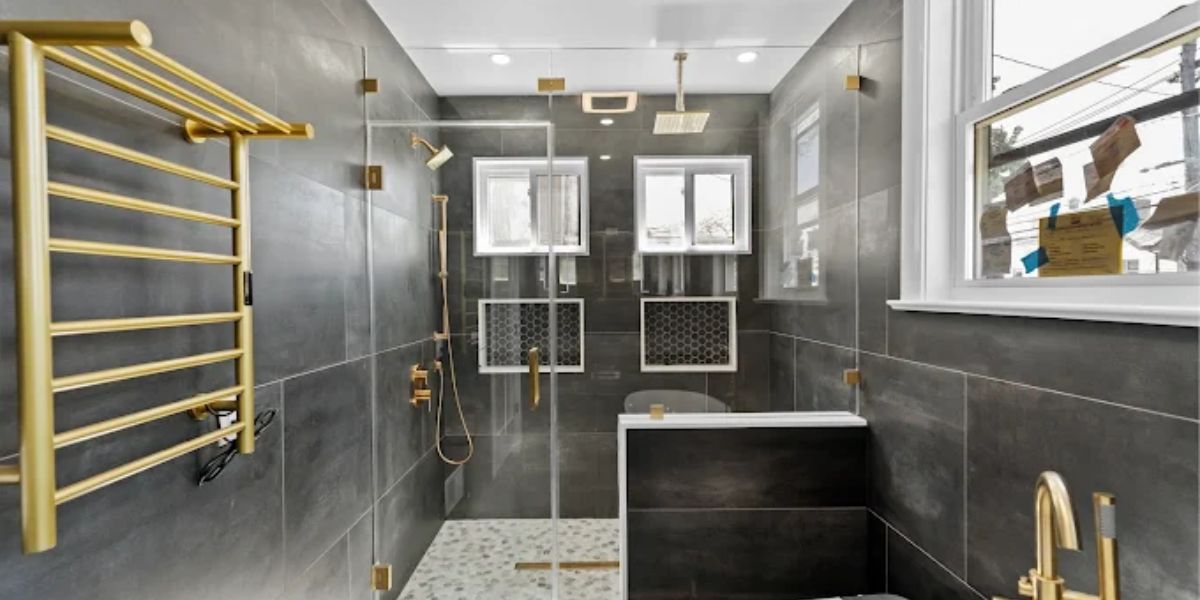
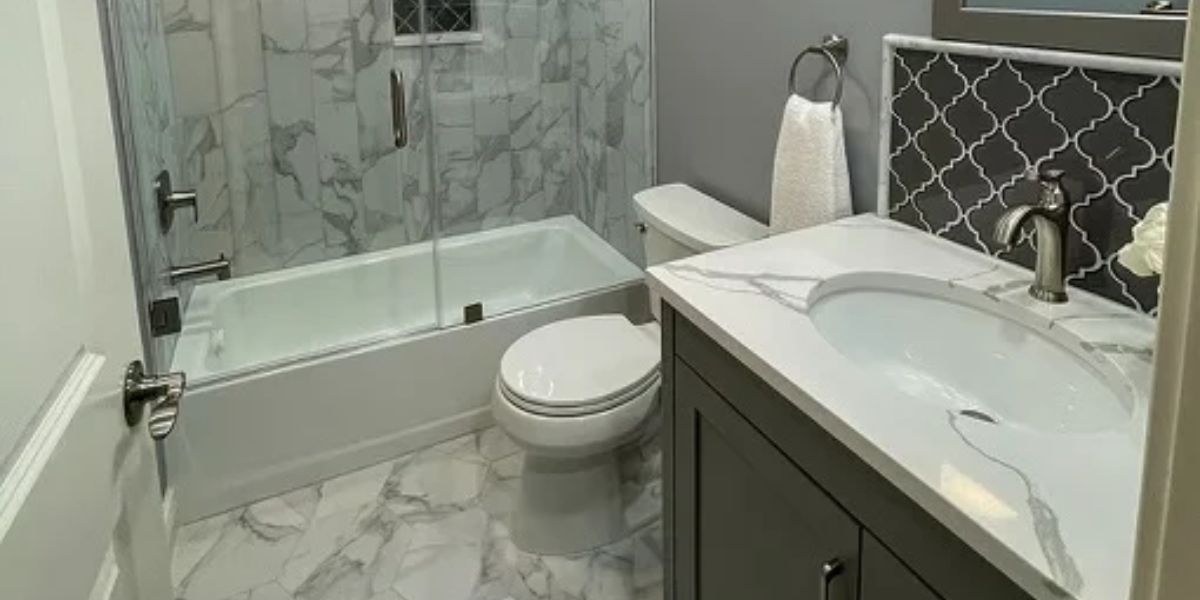
Basement With a Bathroom: Adding a bathroom dramatically increases costs due to plumbing, averaging $10,000–$25,000 on top of the main remodel price.
Basement Bedroom Addition:Creating a legal egress bedroom typically costs $12,000–$30,000, including windows, insulation, and electrical.
Luxury Basement: High-end basements with home theaters, saunas, bars, and premium finishes often exceed $80,000–$150,000+.
Basement Apartment or In-Law Suite:Turning a basement into a separate living unit with kitchen and bath usually ranges from $60,000–$120,000, depending on plumbing and layout.
Waterproofing and Moisture Control: Before remodeling, many basements require waterproofing, costing $2,000–$10,000, depending on the extent of moisture issues.
Basement Conversion Projects: Converting an unused space into a gym, office, or entertainment room typically costs $15,000–$45,000, depending on features.
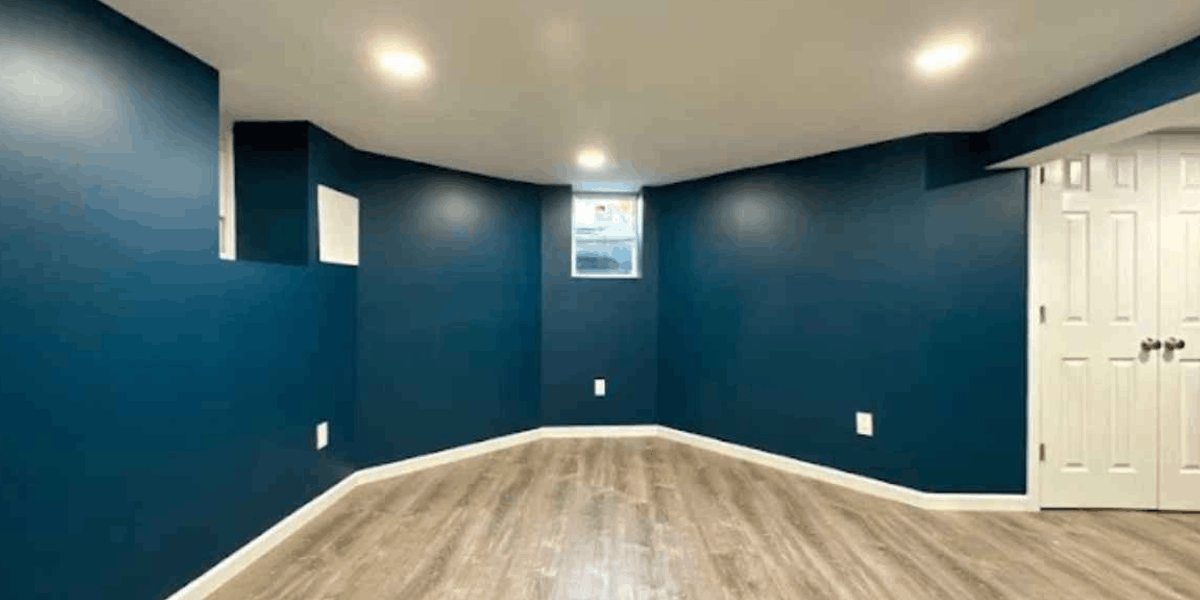
Flooring: Basements often require moisture-resistant flooring. Carpet tiles and vinyl plank are budget-friendly, while engineered hardwood and luxury flooring increase costs.
Walls and Insulation: Standard drywall and fiberglass insulation are affordable. Upgraded soundproofing or moisture-control insulation increases costs.
Ceilings: Drop ceilings cost less, while drywall ceilings with recessed lighting cost more but look more polished.
Cabinetry and Storage: Prefabricated storage is cost-effective. Custom cabinetry significantly increases expenses.
Lighting: Recessed LED lighting adds beauty but costs more than basic fixtures.
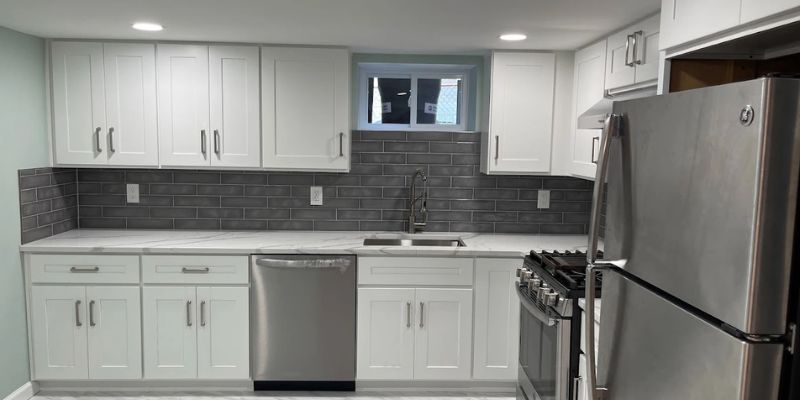
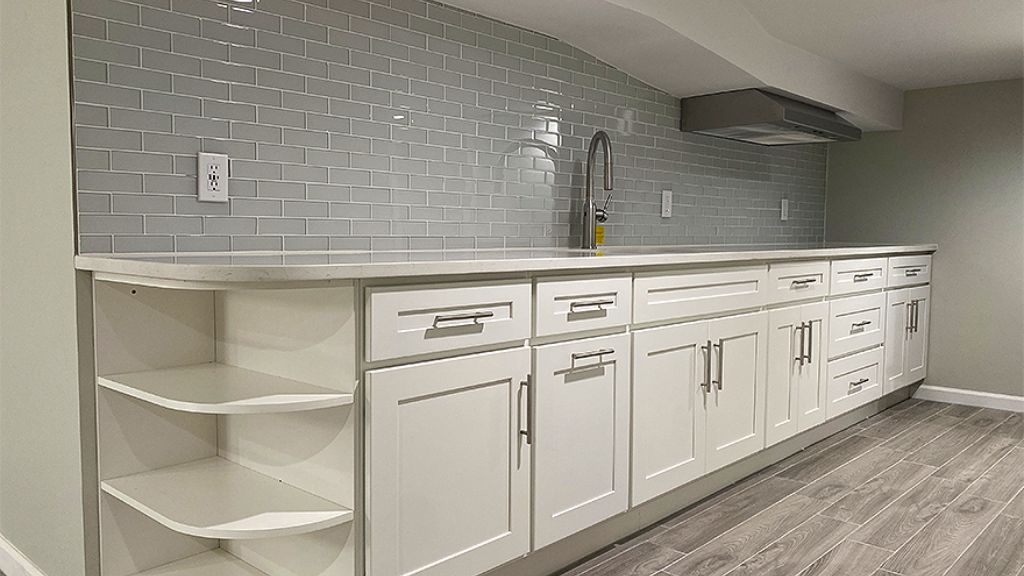
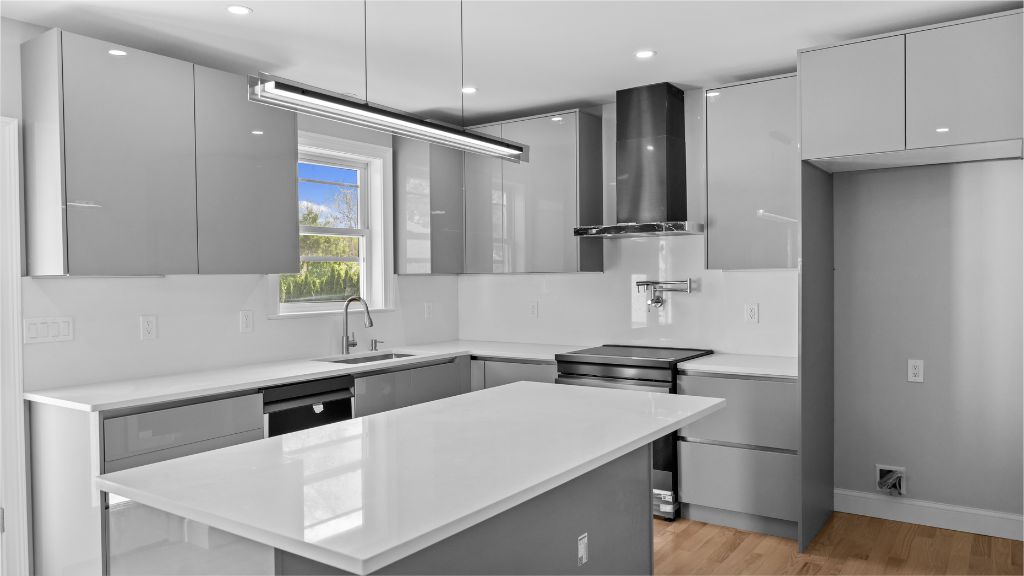
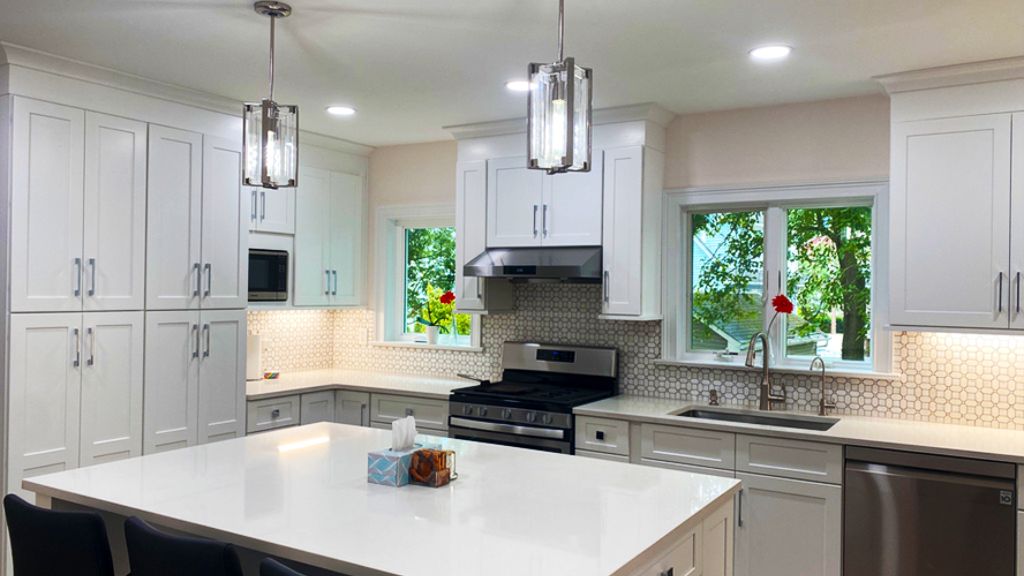
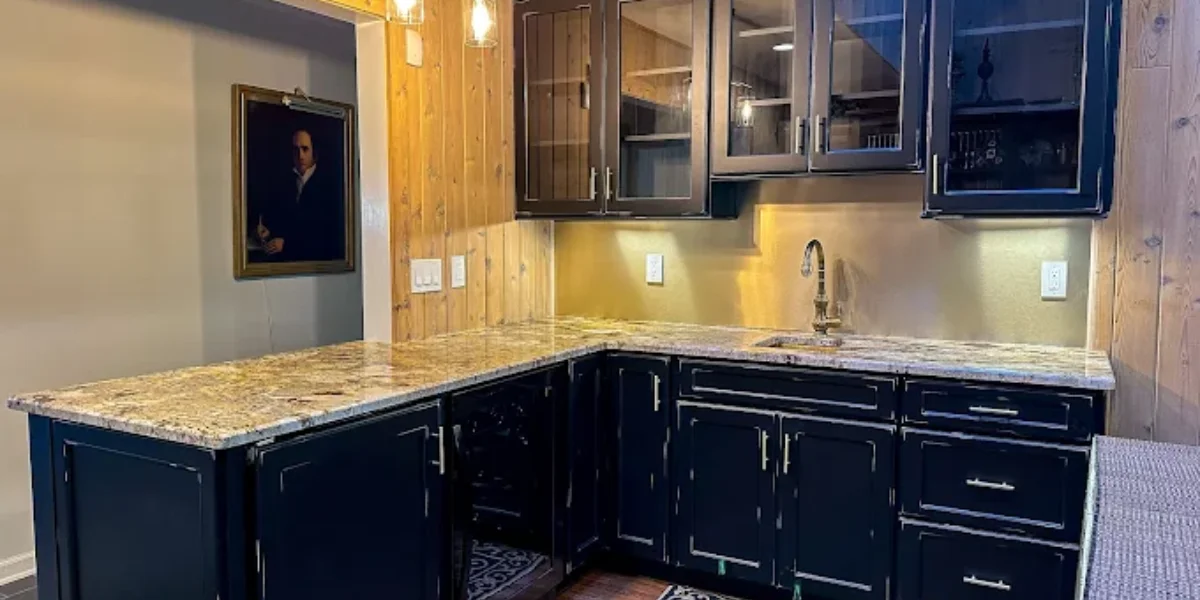
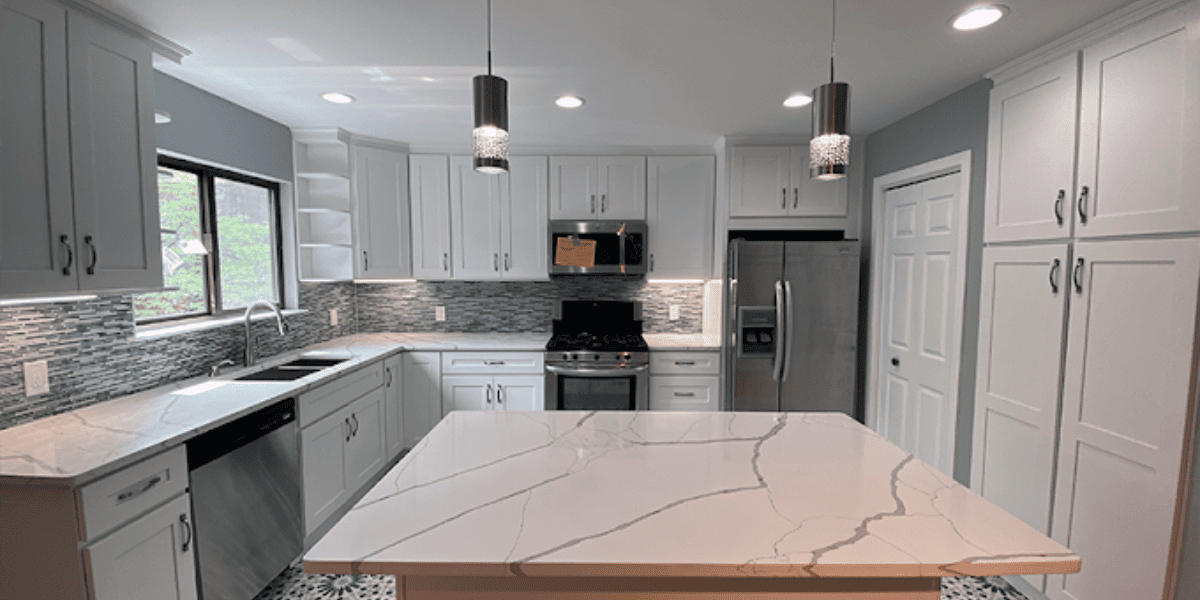
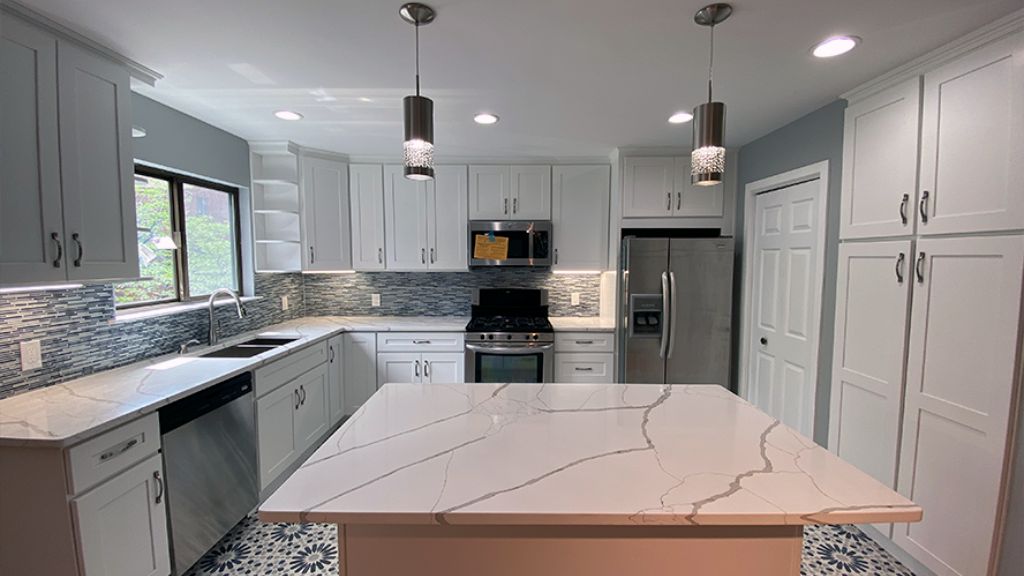
Bar, Kitchenette, or Built-Ins: Laminate countertops, simple cabinets, and basic sinks keep costs low. Stone counters, custom cabinets, and plumbing upgrades raise prices.
Finishes and Hardware: Basic hardware and standard trim are affordable. Premium finishes significantly raise material costs.
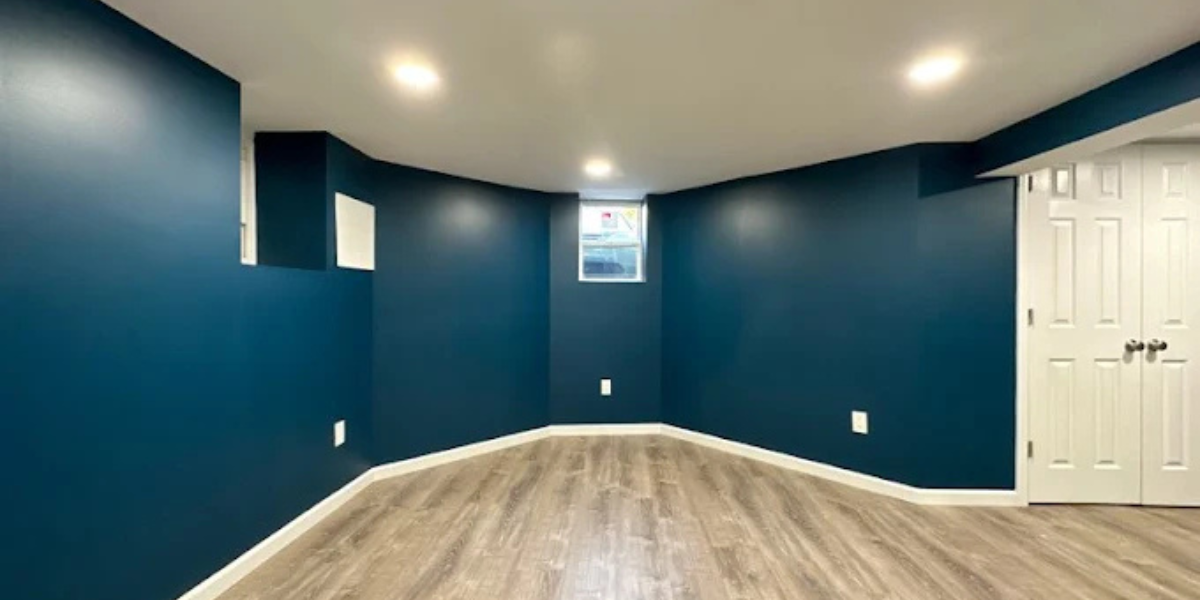
Understanding how each part affects your basement remodel budget is essential. Labor and installation often take the largest share, sometimes up to half of the total cost. Flooring costs vary widely depending on moisture-resistant options. Electrical upgrades for lighting, outlets, or entertainment systems also add to the budget. Adding walls, insulation, or soundproofing increases material and labor costs. If you include a bathroom, wet bar, or kitchenette, plumbing becomes one of the most expensive components. Painting, trim work, and finishing details complete the project and give the basement a polished, comfortable look.
Labor Costs: Typically make up 40–60% of the basement remodel budget, including framing, electrical, drywall, flooring, and installation.
Material Costs: Account for the remaining 40–60%, including flooring, lighting, insulation, cabinets, and finishes.
Skilled Trades: Electricians, plumbers, and HVAC professionals have higher hourly rates, increasing costs if major system changes are needed.
Complex Layouts: Adding bathrooms, bars, bedrooms, or new walls increases labor dramatically because plumbing and electrical changes are required.
Material Selection: High-end flooring, custom built-ins, and luxury finishes raise material expenses significantly.
DIY Savings: Painting or installing simple laminate flooring yourself can reduce labor costs—if you have the skill and time.
Basement Size: More square footage means more materials drywall, flooring, insulation, lighting raising the total cost.
Material Quality: Premium floors, custom bars, and high-end lighting increase expenses compared to standard options.
Layout Changes: Adding bathrooms or moving walls significantly increases plumbing/electrical labor and permit fees.
Custom Features: Home theaters, wine cellars, saunas, gyms, or wet bars greatly increase costs.
Local Labor Rates: Urban and high-demand areas have higher contractor rates.
Permits and Inspections: Basement remodels often require permits for electrical, plumbing, and structural work, adding extra fees.
Project Timeline: Rush jobs cost more due to overtime and expedited labor.
DIY Work: Doing simple tasks like painting can save money but mistakes may increase costs later.
Set a Realistic Budget: Include a 10–15% cushion for unexpected water or structural issues.
Prioritize Essential Work: Fix moisture issues, insulation, and electrical first cosmetic upgrades come after.
Mix High and Low Materials: Use budget-friendly flooring but upgrade lighting or feature walls for a premium look.
Shop Sales: Buy flooring, lights, and cabinets from clearance sections or seasonal discounts.
DIY Small Tasks: Painting, hardware installation, and simple trim work can save hundreds or even thousands.
Energy-Efficient Upgrades: LED lighting, proper insulation, and efficient HVAC setups lower utility bills and increase ROI.
Choose Timeless Design: Neutral colors and classic layouts maintain value and appeal longer.
Evaluate ROI: A well-finished basement can return 60–75% of its cost when selling your home especially if it adds usable living space or a bedroom.
Professional Expertise: Licensed contractors ensure your basement meets building codes, moisture standards, and safety requirements.
Labor Costs: While professionals account for a large portion of the cost, they prevent expensive mistakes like moisture issues or electrical problems.
Time and Convenience: Contractors finish the project faster and handle permits, inspections, and technical work.
DIY Savings: Painting, trim work, or simple flooring installation can reduce costs, but major plumbing or electrical should be left to experts.
Risk of Mistakes: DIY errors especially with moisture, wiring, or insulation can cause long-term damage and require costly repairs.
Blended Approach: Hiring pros for structural work and doing finishing touches yourself is a cost-effective strategy many homeowners use.
Yes, basement renovations are worth it because they add usable living space and increase home value. Most homeowners recover 60–75% of the cost at resale.
Finishing a 1,000 sq ft basement typically costs $40,000–$70,000, depending on materials and layout. Adding bedrooms or a bar increases the price.
A 2,000 sq ft finished basement usually costs $80,000–$140,000+, depending on features, flooring, and whether a bathroom or kitchenette is added.
Plumbing, electrical work, and bathroom installation are usually the most expensive. Custom features like home theaters or bars can also raise costs.
Finishing a basement with a bathroom typically costs $30,000–$65,000, depending on plumbing, fixtures, and layout complexity.
A basement remodel is one of the most valuable upgrades you can make to your home, offering extra living space and strong long-term returns. From the size of the basement to material choices and layout decisions, every factor affects the final cost. Planning ahead with a clear budget and prioritizing essential improvements will help you stay on track. Whether you hire professionals, take on a few DIY tasks, or choose a balanced approach, focusing on high-quality, durable materials ensures lasting comfort and excellent resale value. A well-planned basement remodel not only enhances your lifestyle but also boosts your home’s market appeal, making every dollar a smart investment.
Ready to start your remodel? Contact Adan Construction today for expert guidance and a free estimate. Visit adan construction or call (765) 584-7295 to discuss your project and bring your dream Basement Remodel to life.


.png)
.png)


.webp)






.jpg)