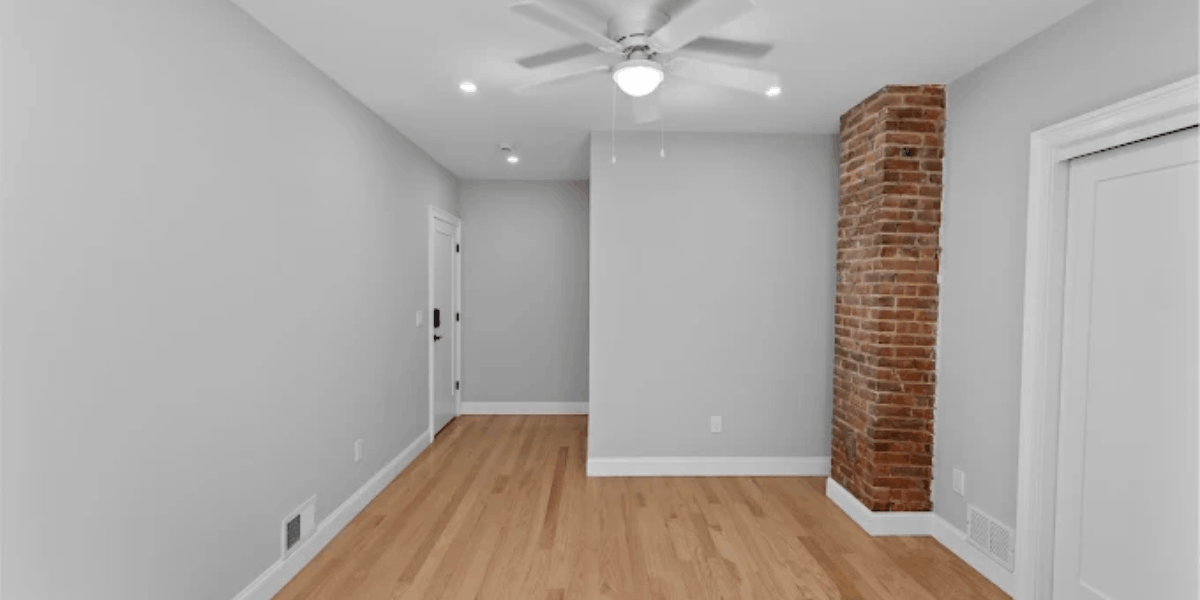
Remodeling a kitchen is a smart way to add value, functionality, and comfort to your home. Costs can vary depending on the size of the kitchen, the materials you choose, and how extensive the renovation is. From small upgrades to full-scale remodels, understanding the average kitchen remodel cost helps you plan more effectively. This guide explains what you can expect to spend in 2025 so you can create a clear and realistic budget before beginning your project.
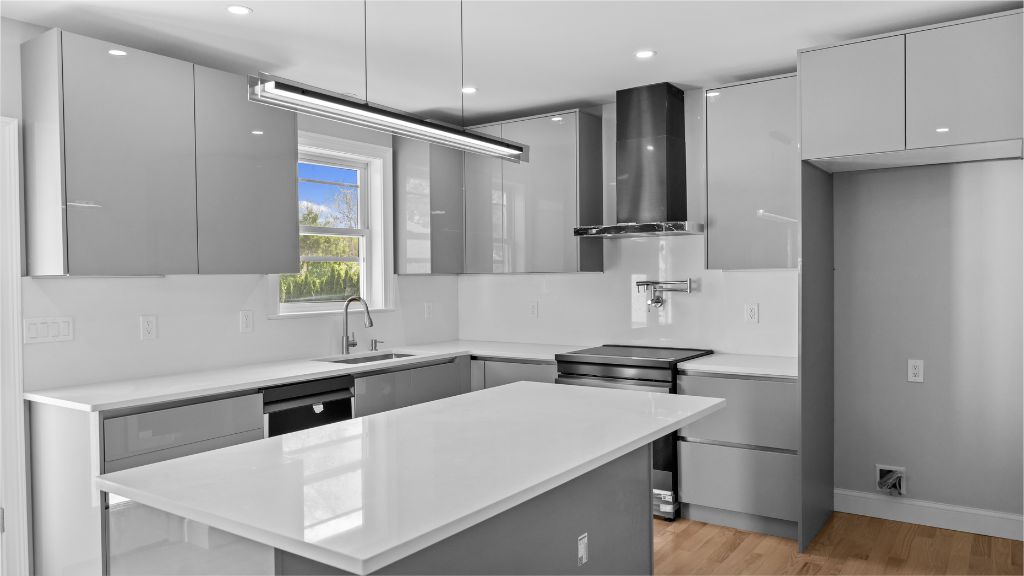
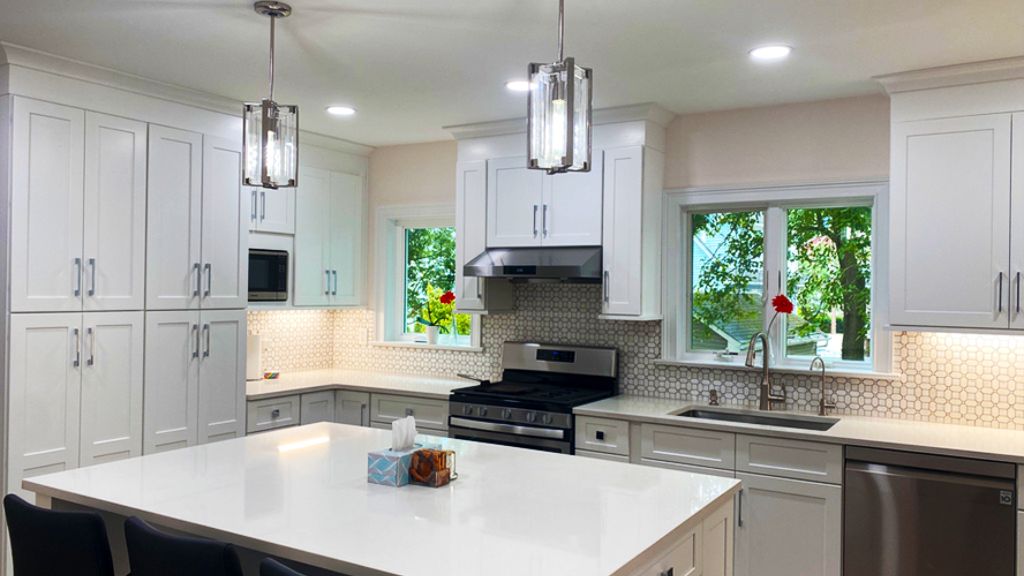
The average kitchen remodel cost depends on the size, materials, and level of work required. A small or compact kitchen may cost around $12,000 to $25,000, while a mid-size kitchen typically ranges from $25,000 to $55,000. High-end or luxury remodels with custom cabinetry, premium countertops, and professional-grade appliances can exceed $60,000–$120,000. Labor rates and location also play a major role in final costs. Simple updates like painting or replacing cabinet hardware stay on the lower end, while major changes involving plumbing, electrical, or layout significantly increase the price.
Small Kitchen: Remodeling a small kitchen (70–100 sq. ft.) typically ranges from $12,000 to $28,000, depending on materials, cabinet quality, and appliance choices.
Mid-Size Kitchen: A medium-sized kitchen generally falls in the $28,000–$55,000 range. Tile selection, countertop materials, and minor layout adjustments can influence the total cost.
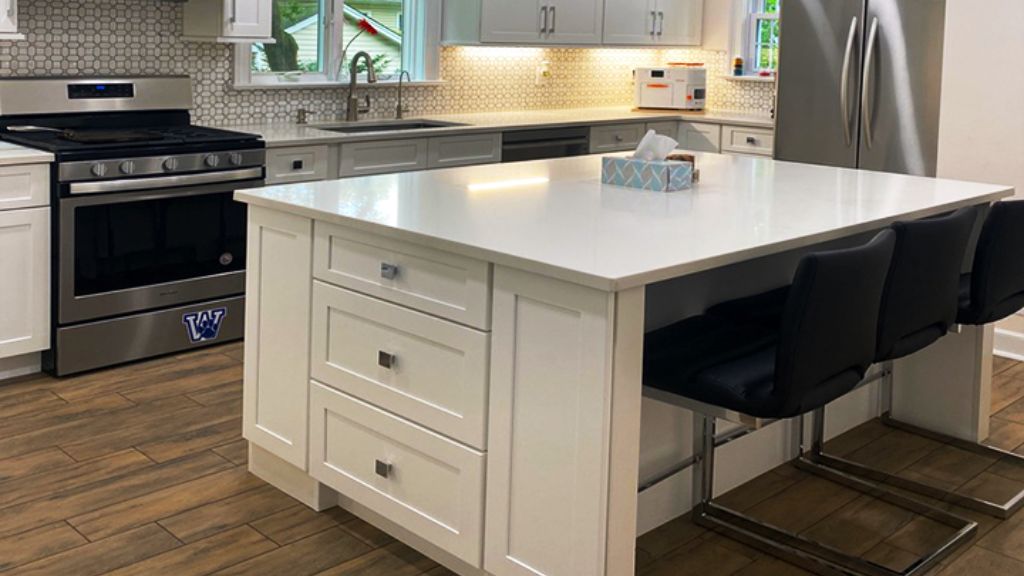
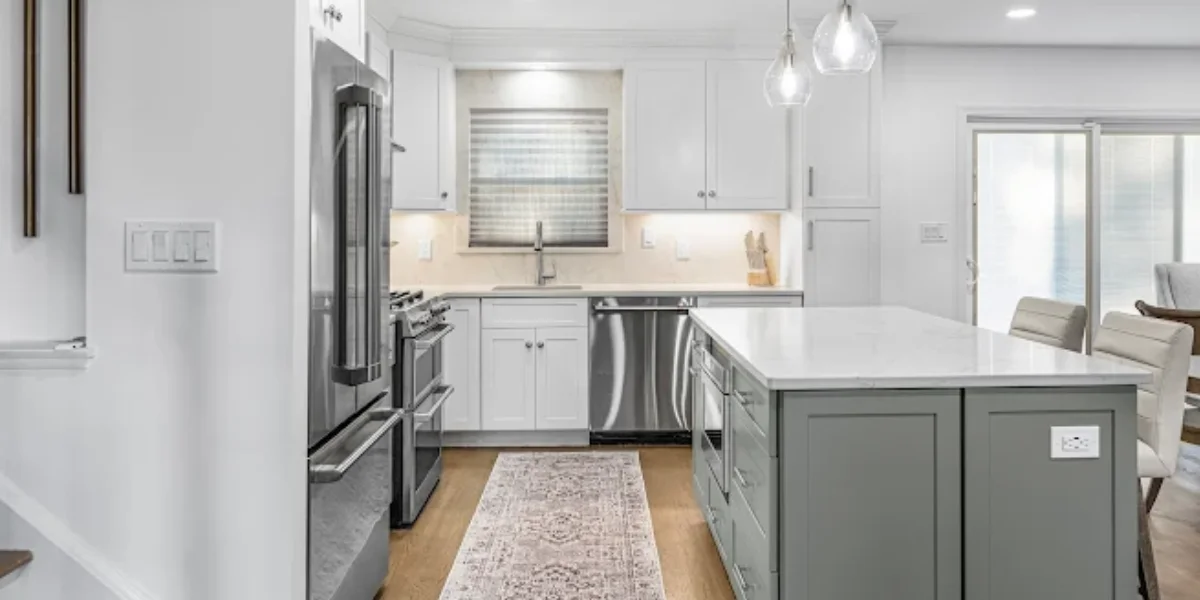
Large Kitchen: A large kitchen remodel (over 150 sq. ft.) often costs $55,000 and up, especially if you include features like an island, custom cabinets, or upgraded appliances.
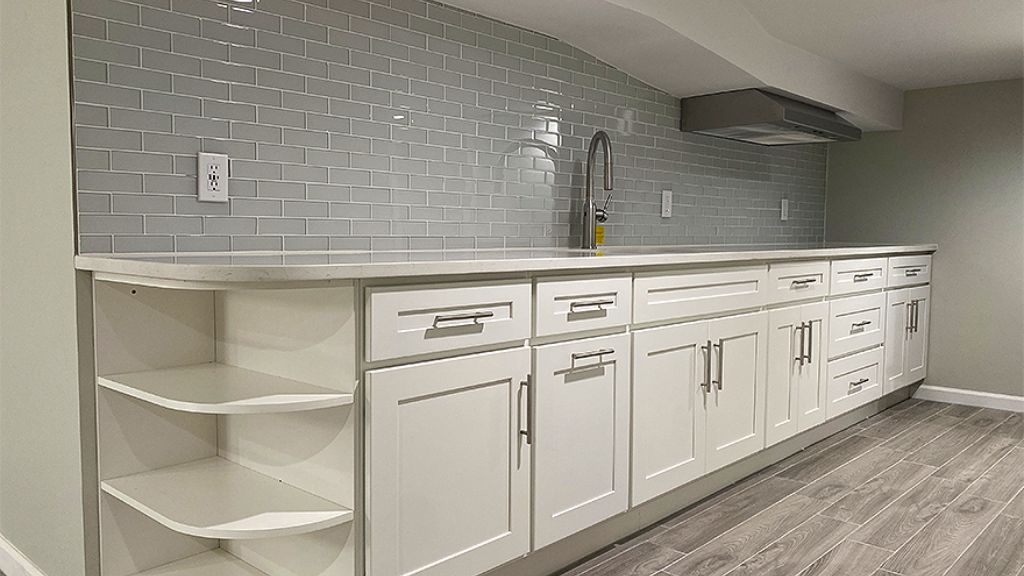
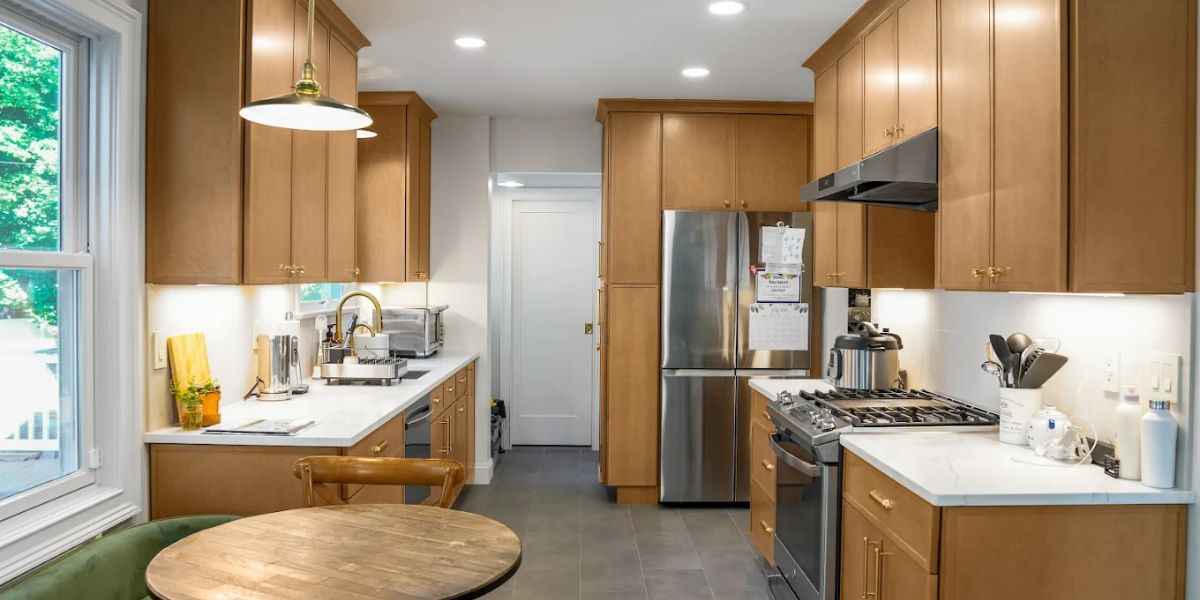
Compact Galley Kitchen: A narrow galley-style kitchen averages $15,000–$30,000, depending on storage solutions and finish options.
Open-Concept Kitchen: Converting a closed kitchen into an open-concept layout can add $10,000–$25,000 to the budget due to wall removal, structural adjustments, and electrical rerouting.
Luxury or Chef-Style Kitchen: High-end finishes like stone countertops, custom wood cabinetry, premium flooring, and professional appliances can push the budget above $80,000 to $150,000 or more.
Kitchen Expansion: Expanding your kitchen by adding square footage or reconfiguring adjacent spaces typically costs $20,000–$60,000, depending on structural work.
Accessibility Remodel: Upgrading your kitchen for accessibility with wider pathways, pull-out shelves, and ADA-compliant fixtures can add $5,000–$20,000 to the total cost.
Flooring: Tile, hardwood, and luxury vinyl are common kitchen flooring options. Ceramic tile and vinyl are more budget-friendly, while natural stone or hardwood significantly raise the cost.
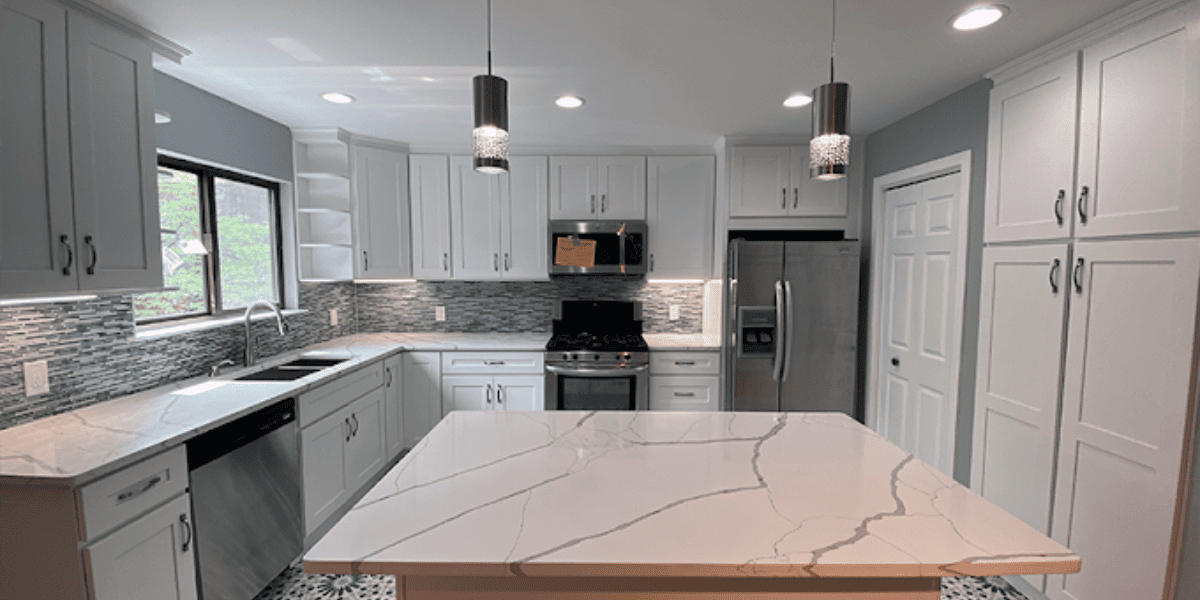
Countertops: Laminate and butcher block are affordable options, while quartz, granite, and marble increase overall price. Premium stone or waterfall-edge designs cost even more.
Cabinetry: Prefabricated cabinets are cost-effective, whereas semi-custom and fully custom cabinets dramatically increase expenses due to craftsmanship and materials.
Fixtures and Hardware: Standard faucets, knobs, and pulls keep costs low. Designer fixtures or modern smart faucets add a premium.
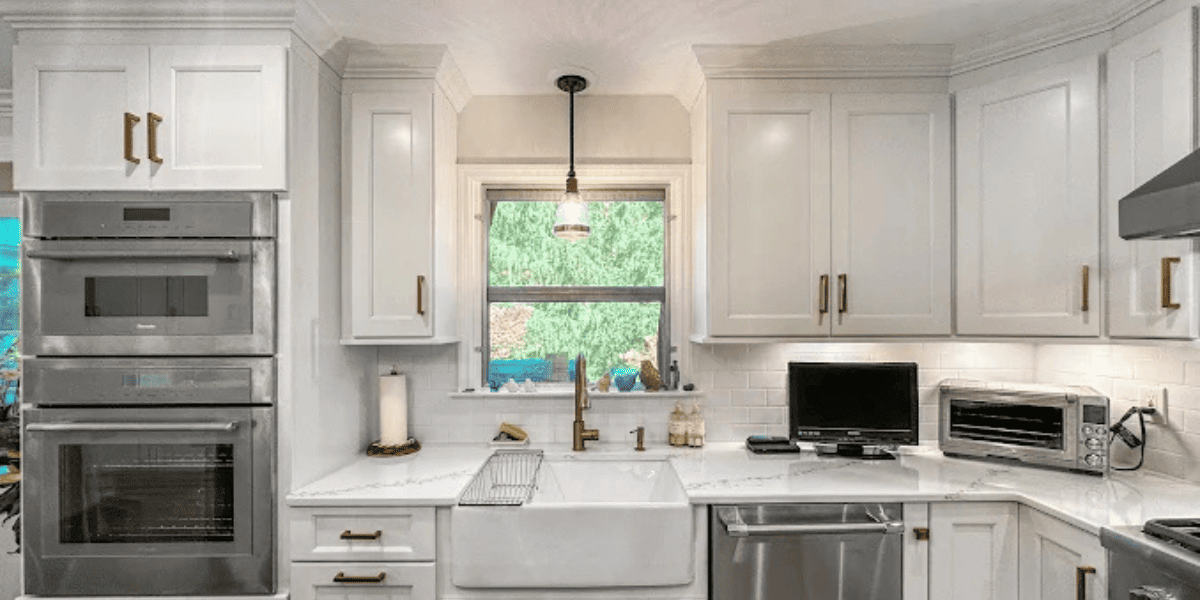
Appliances: Basic appliance packages are budget-friendly, while stainless steel, smart appliances, or professional-grade ranges and refrigerators raise costs considerably.
Backsplashes: Simple ceramic tile is inexpensive, while patterned tiles, stone slabs, or glass backsplashes cost more due to materials and installation labor.
Lighting: Standard fixtures are affordable; LED systems, pendant lights, and under-cabinet lighting increase costs but improve functionality and aesthetics.
When planning a Kitchen remodel, it’s important to understand how each component affects your budget. Labor and installation often take the largest share, sometimes nearly half of the project cost. Cabinetry is also a major expense, stock options cost less, while custom-built cabinetry significantly increases the overall price. Countertops vary widely, with basic laminate on the low end and quartz, granite, or marble on the high end. Flooring choices such as tile or hardwood impact cost depending on material and square footage. Appliances can add thousands of dollars, especially if you choose energy-efficient or premium brands. Electrical upgrades, lighting installations, and plumbing adjustments also influence total expenses. Paint, trim, backsplash installation, and finishing details complete the remodel, ensuring the kitchen is polished and cohesive.
Labor Costs: Labor typically makes up 40–60% of the total remodel budget, covering demolition, carpentry, electrical, plumbing, backsplash installation, flooring, and appliance setup.
Material Costs: Materials account for the remaining 40–60%, including cabinetry, countertops, appliances, flooring, lighting, and finishes.
Skilled Trades: Electricians, plumbers, and specialized installers often have higher hourly rates, increasing labor expenses if major layout work is involved.
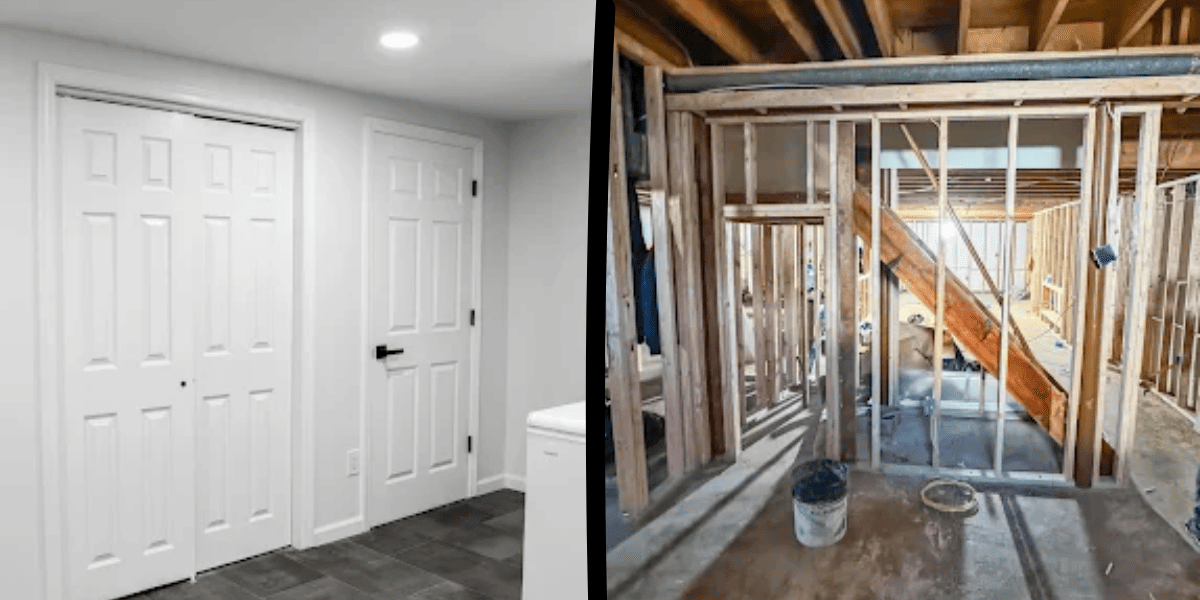
Complex Layouts: Changing the kitchen layout, moving plumbing lines, or rerouting electrical wiring increases both labor costs and timeline.
Material Selection: Selecting high-end materials like marble countertops, custom cabinets, or designer fixtures significantly increases the materials budget.
DIY Savings: Basic tasks such as painting walls, assembling simple cabinets, or installing hardware can reduce labor costs but require time, patience, and skill.
Kitchen Size: Larger kitchens require more materials, cabinetry, countertop space, and flooring, naturally raising the total cost.
Quality of Materials: Premium finishes, stone countertops, or high-end cabinetry increase cost, while standard options help keep the budget manageable.
Layout Changes: Removing walls, extending the kitchen, or relocating the sink, stove, or dishwasher adds substantial labor and permit expenses.
Custom Features: Built-in pantries, kitchen islands, wine coolers, and specialty storage solutions raise the budget. Smart appliances and smart lighting add even more.
Local Labor Rates: Labor costs vary across the USA. High-demand areas or major cities typically charge more than rural regions.
Permits and Inspections: Building permits, electrical permits, and required inspections add to the budget depending on location and project scope.
Project Timeline: Fast-tracked jobs increase labor costs. Contractors may charge extra for overtime or accelerated timelines.
DIY Contribution: Handling simpler tasks yourself can lower expenses, but incorrect DIY work may lead to costly repairs.
Set a Realistic Budget: Create a budget with a 10–15% cushion for unexpected expenses. This helps you stay financially prepared as the project progresses.
Prioritize Essential Upgrades: Focus first on functional improvements like plumbing, electrical, and ventilation before cosmetic upgrades.
Mix High and Low Materials: Pair affordable options like ceramic tile or prefabricated cabinets with a few premium finishes to achieve a balanced, stylish look.
Shop Sales and Clearance: Look for discounts on appliances, tiles, and lighting. Buying during seasonal sales or at outlet stores helps reduce total cost.
Do Simple Tasks Yourself: Painting, installing knobs, or assembling basic shelving can lower labor costs.
Choose Energy-Efficient Appliances: Energy-efficient appliances reduce long-term utility bills and may qualify for rebates, improving ROI.
Focus on Timeless Design: Classic colors, durable materials, and functional layouts ensure long-lasting appeal and stronger resale value.
Evaluate ROI: A well-planned kitchen remodel can return 65–80% of its cost at resale. Mid-range upgrades often deliver the highest return.
Professional Expertise: Hiring licensed contractors, plumbers, electricians, and installers ensure the work meets building codes and safety standards. Their experience reduces the risk of errors and increases long-term reliability.
Labor Costs: Professional labor may account for 40–60% of total cost. While it adds to the initial budget, quality workmanship helps avoid future repairs and rework.
Time and Convenience: Contractors complete projects faster and handle permits, inspections, and complex tasks. This minimizes disruption to your daily routine and helps maintain timelines.
DIY Savings: Taking on simple tasks such as painting or installing hardware reduces labor costs. Many homeowners enjoy the satisfaction and savings of doing finishing touches themselves.
Risk of Mistakes: DIY errors, especially in plumbing or electrical work, can be costly and unsafe. Incorrect installations may require professional repairs.
Blended Approach: Many homeowners choose a hybrid strategy: hiring professionals for complex work while handling finishing tasks themselves. This provides a balance between cost savings and quality results.
A kitchen remodel can be one of the most rewarding improvements for your home, but understanding the costs behind every choice is essential for staying within budget. From kitchen size and material quality to labor rates and layout decisions, each factor plays a role in determining the total price. Planning ahead, setting clear priorities, and leaving room for unexpected expenses help you avoid financial stress. Whether you hire professionals, take on some tasks yourself, or choose a combination of both, focusing on durable materials and timeless design ensures long-lasting value. A well-planned kitchen remodel not only enhances everyday living but can also offer a strong return on investment when it’s time to sell.
Ready to start your remodel? Contact Adan Construction today for expert guidance and a free estimate. Visit adan construction or call 201-500-5742 to discuss your project and bring your dream Kitchen to life.
1. What is a realistic budget for a kitchen renovation?
A realistic kitchen renovation budget ranges from $15,000 to $40,000, depending on size and materials. High-end upgrades can go beyond $50,000. Most homeowners choose mid-range finishes to balance cost and quality.
2. Can I redo my kitchen for $10,000?
Redoing a kitchen for $10,000 is possible only for small, basic updates. You may cover painting, minor repairs, or affordable cabinet refacing. Full remodeling or appliance upgrades usually exceed this amount.
3. Is $50,000 enough to renovate a house?
$50,000 can renovate a house if the project includes selective upgrades like painting, flooring, or one major room. Whole-home transformations often require more. The final cost depends on the home’s size and condition.
4. What is the most expensive part of a kitchen remodel?
Cabinets are typically the most expensive part, taking up 25%–35% of the total budget. High-quality wood, custom designs, and extra storage features increase the price. Appliances and labor follow next in cost.
5. Is $10,000 enough for a kitchen remodel?
$10,000 is enough for light remodeling such as fresh paint, backsplash, basic countertops, or minor fixes. It won’t cover major structural changes or full replacements. For a full remodel, you usually need $20,000–$40,000.




.png)
.png)




.webp)
















.jpg)