You're standing in your outdated kitchen, ready to make a change. You start Googling, and suddenly you're drowning in terms: renovation, remodeling, refurbishing, restoration. Everyone uses these words interchangeably, but here's the problem: they're not the same thing. And choosing the wrong approach can cost you thousands of dollars and months of frustration.
Let me clear this up for you right now.
After years of working with homeowners across New Jersey at Adan Construction, I've had this exact conversation hundreds of times. Someone calls asking for a "renovation" when they actually need a remodel. Or they think they want a full remodel when a simple renovation would give them exactly what they need at half the cost.
The difference matters. A lot. It affects your budget, timeline, permits, and whether you'll actually get the results you're hoping for.
Let's break this down in plain English so you can make the right decision for your home.
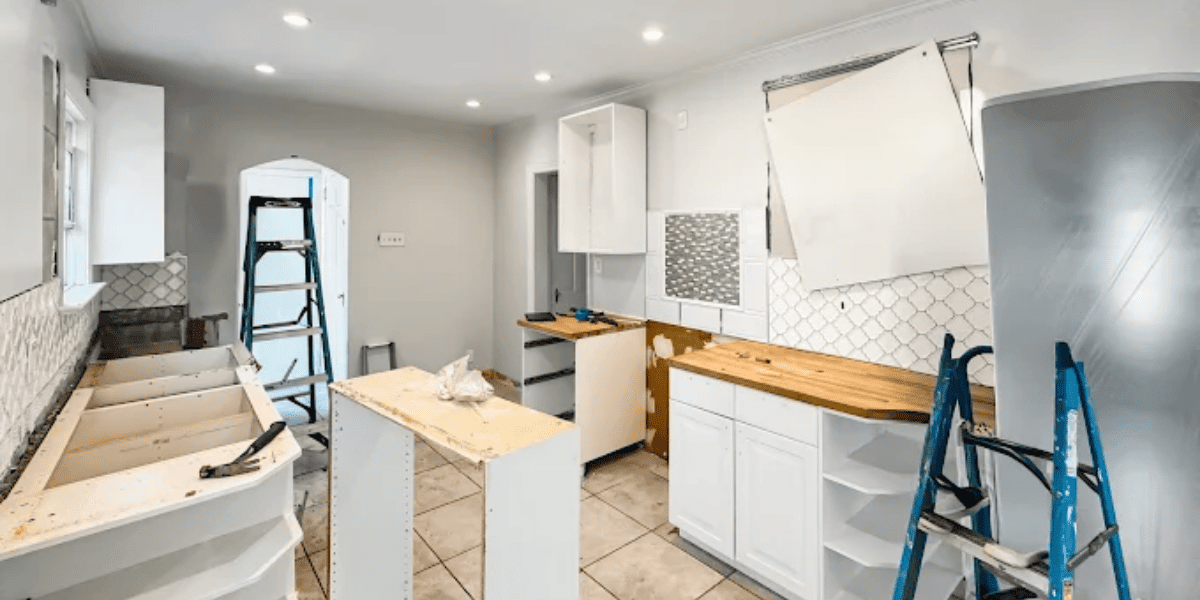
Think of renovation as bringing something back to life. You're working with the existing structure and layout just making it better, cleaner, and more functional.
Renovation means updating or repairing existing features without changing the structure or layout. You're keeping walls where they are, maintaining the current floor plan, and working within the bones of what already exists.
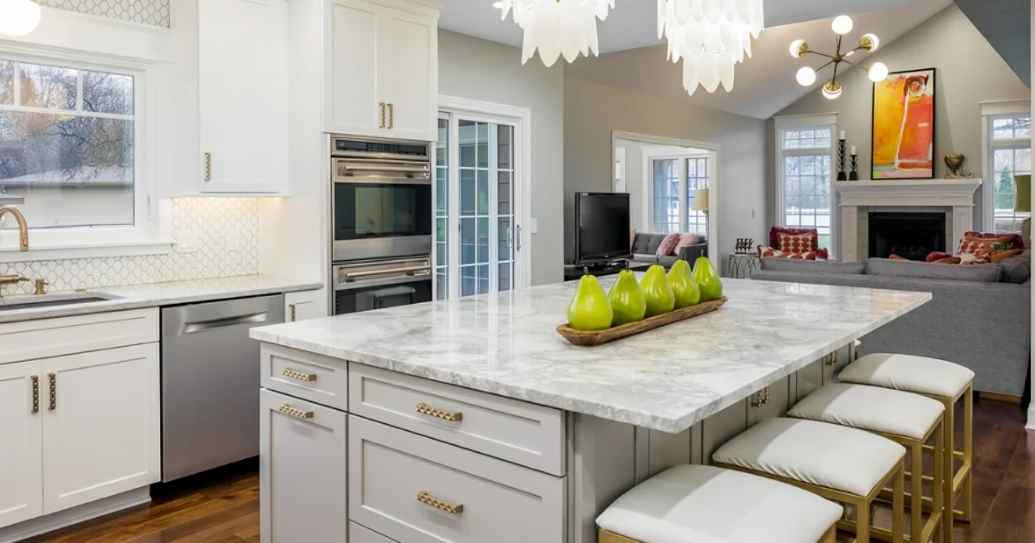
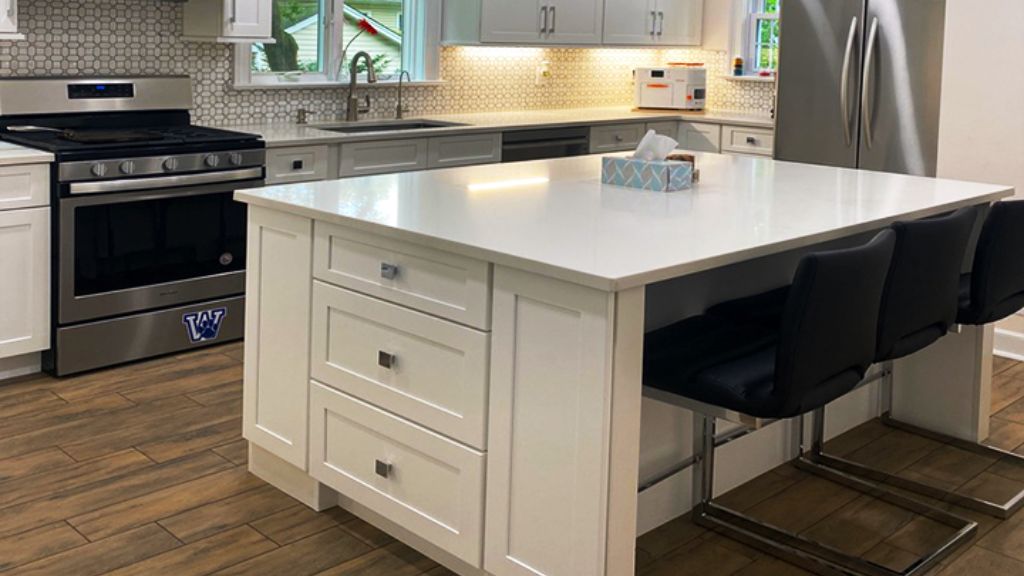
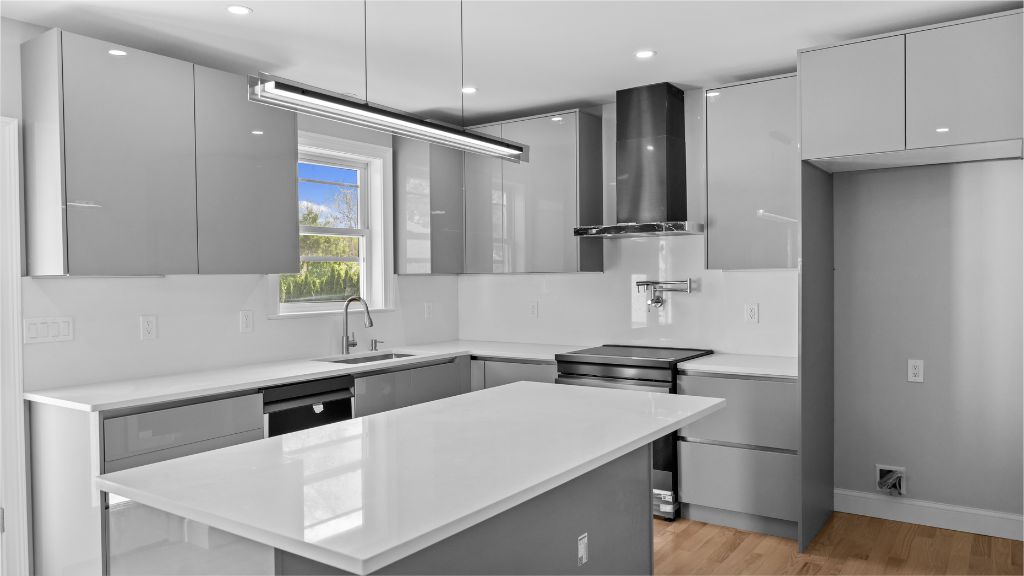
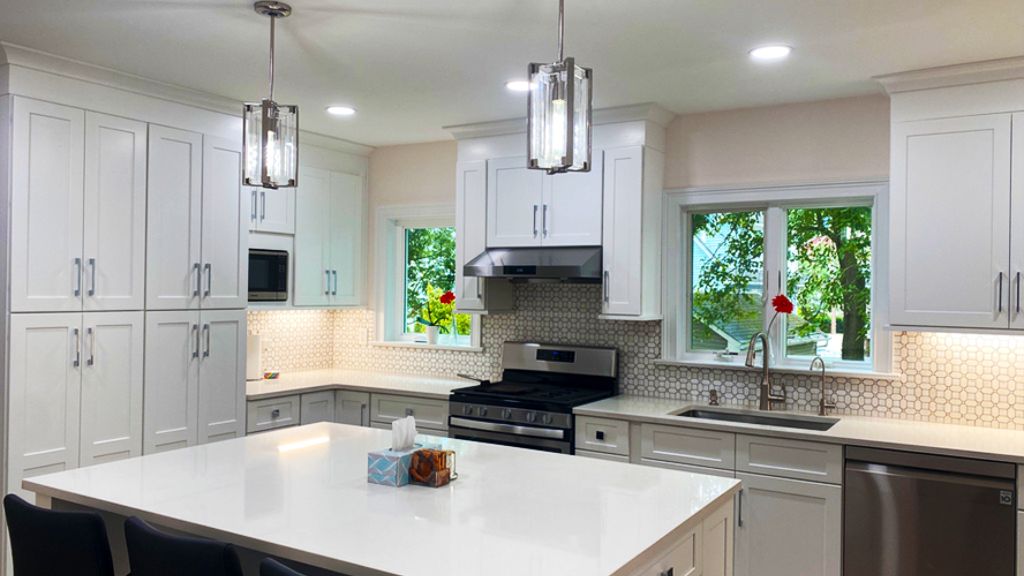
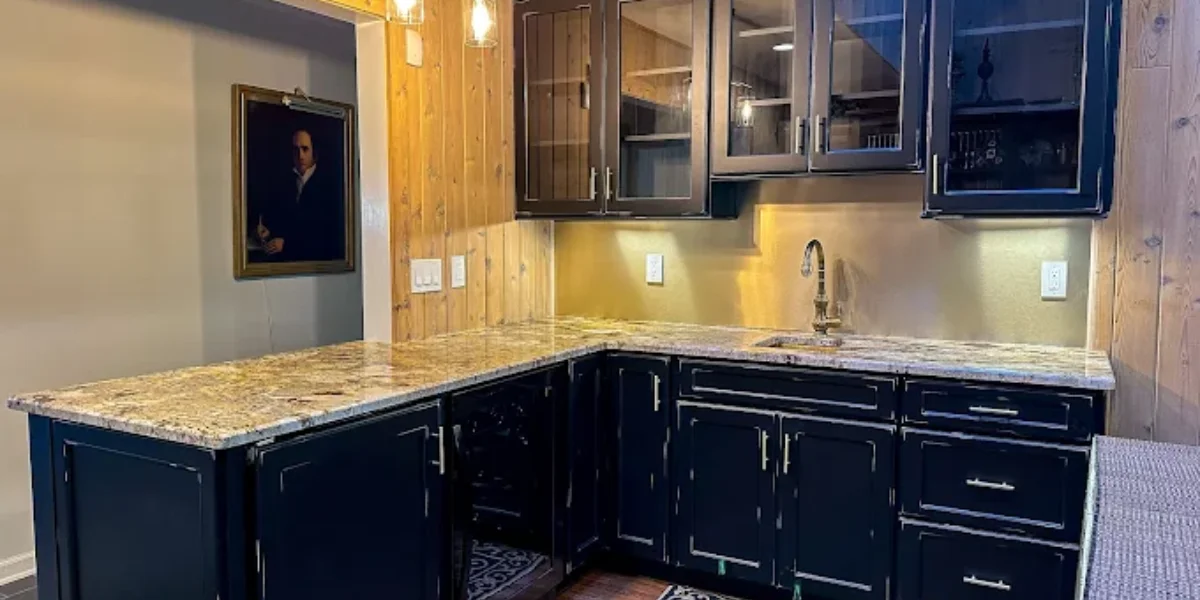
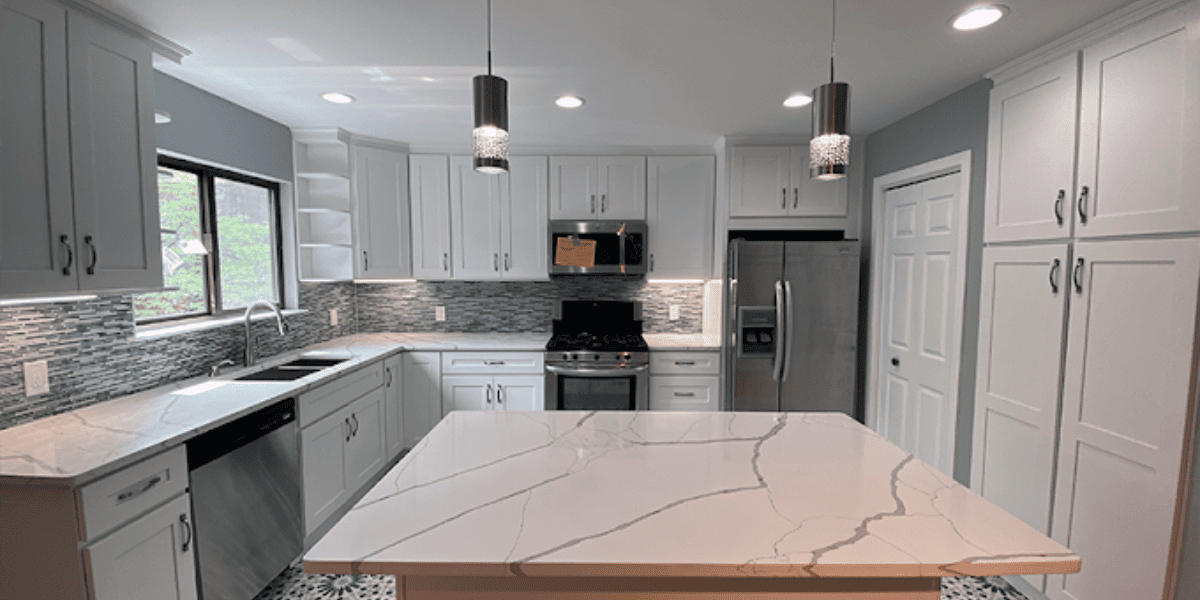
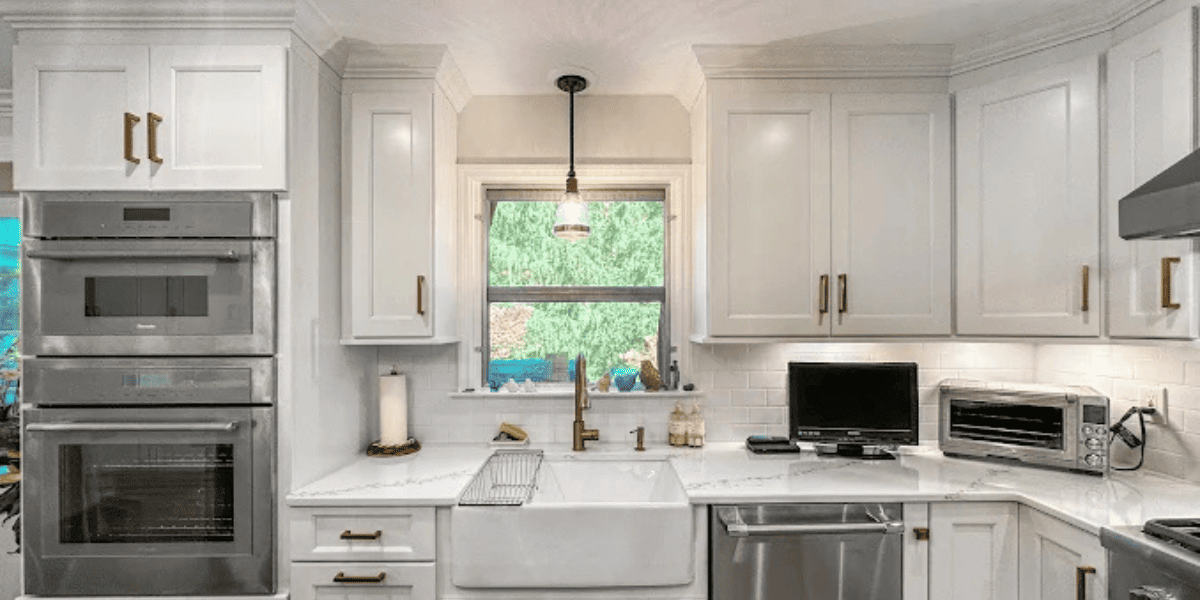
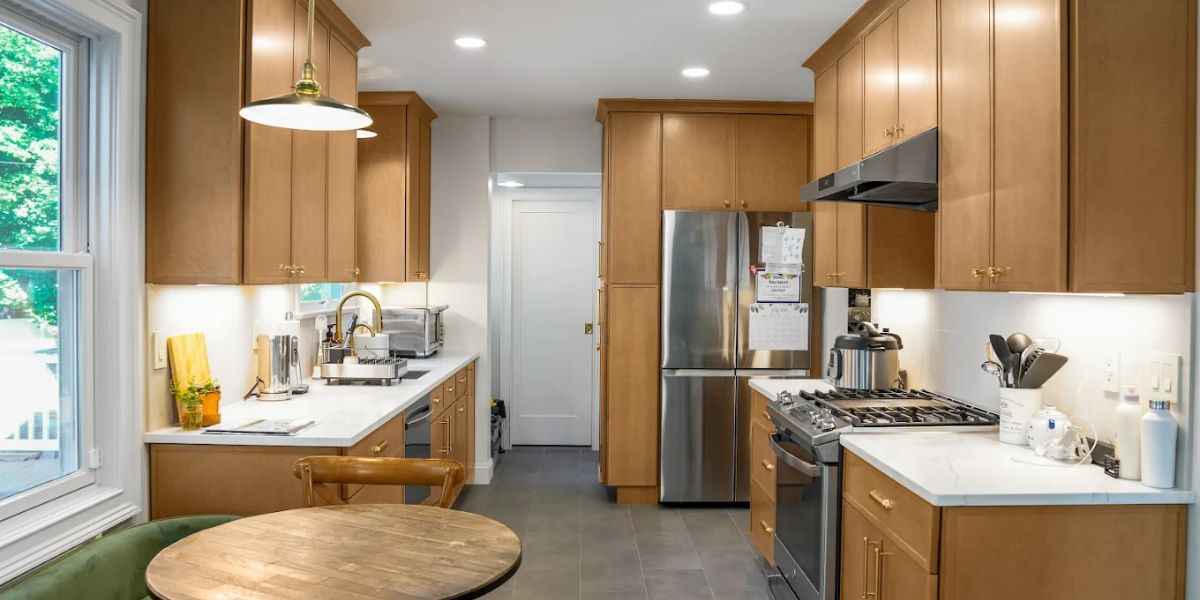
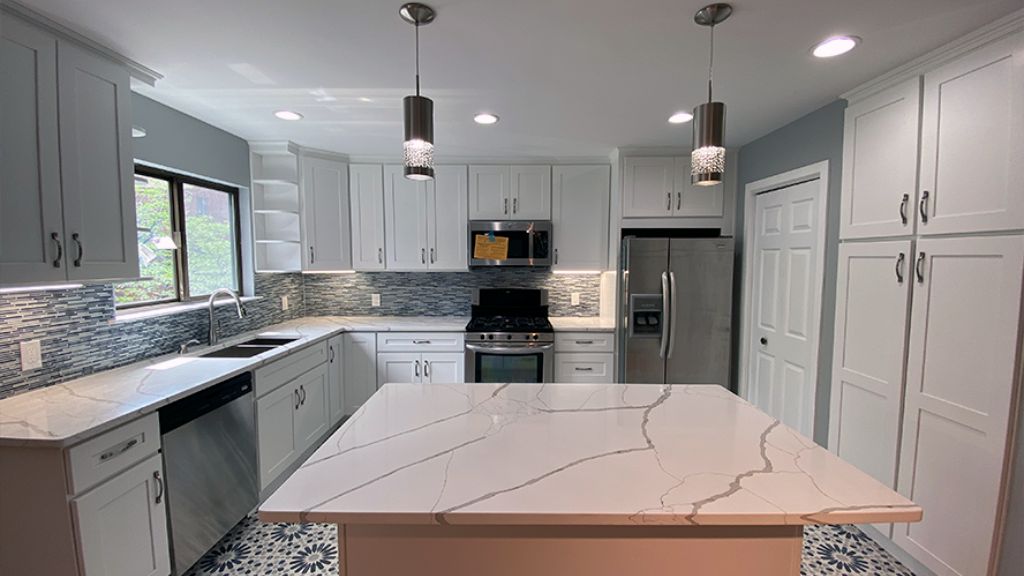
Kitchen renovation: Replacing old cabinets with new ones in the same locations, updating countertops, installing a new backsplash, replacing appliances, refinishing floors. The sink stays where it's always been. The stove location doesn't change. You're just making everything look and work better.
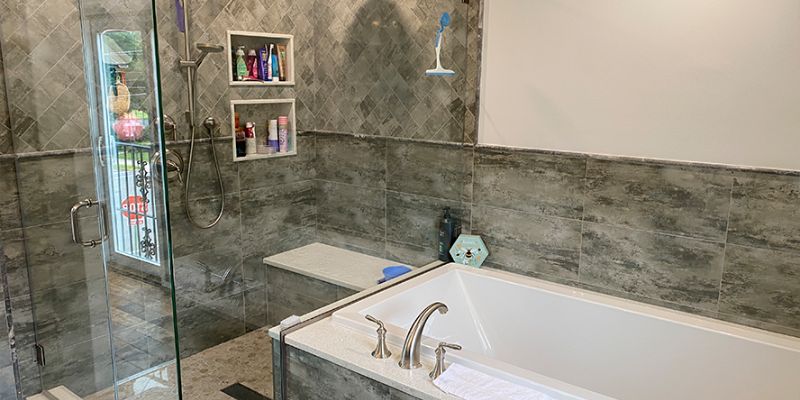
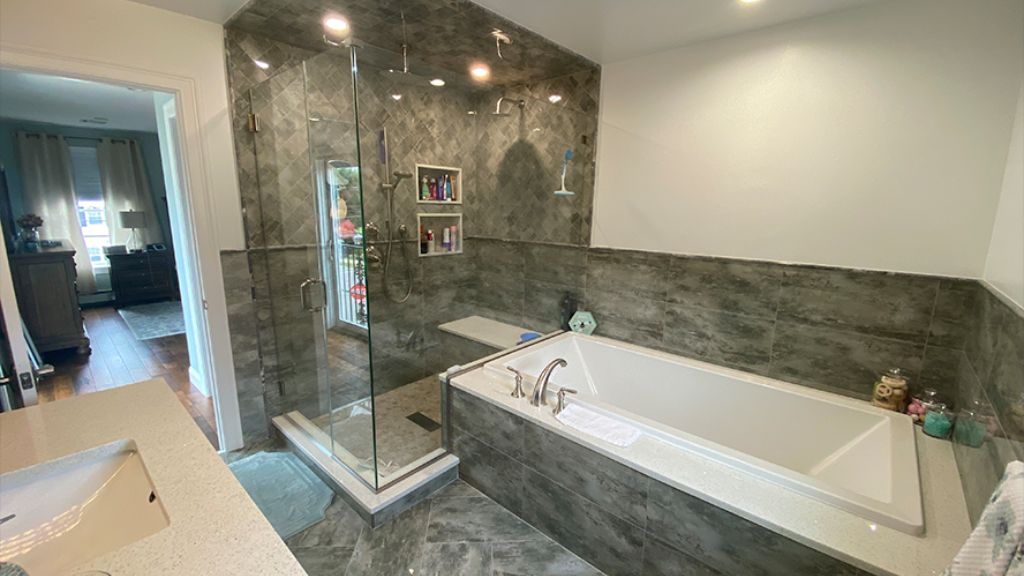
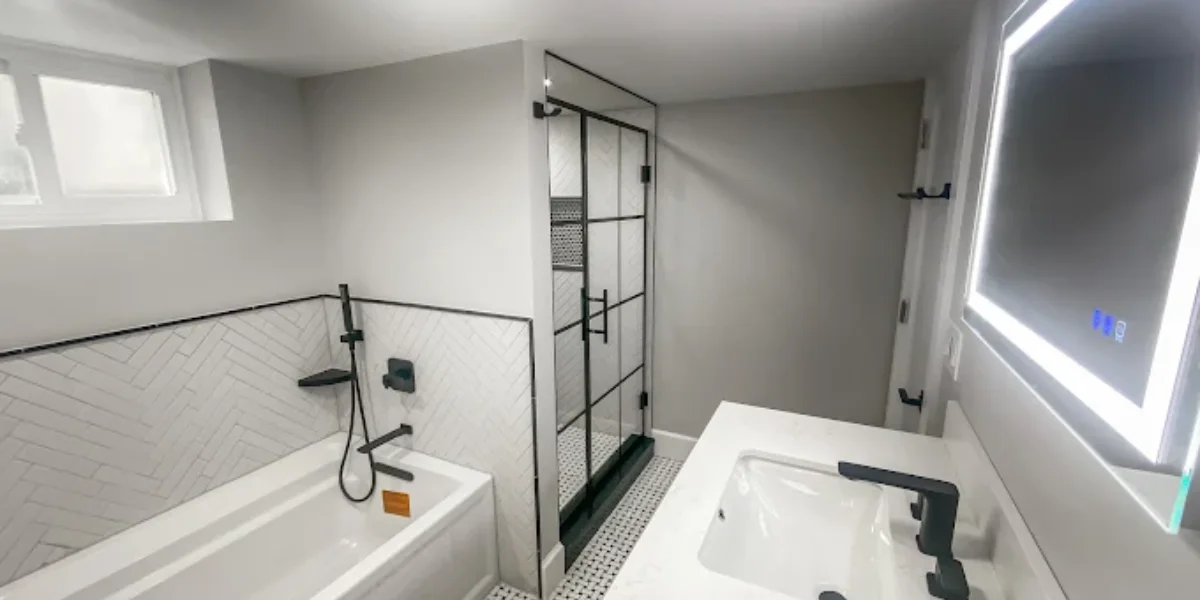
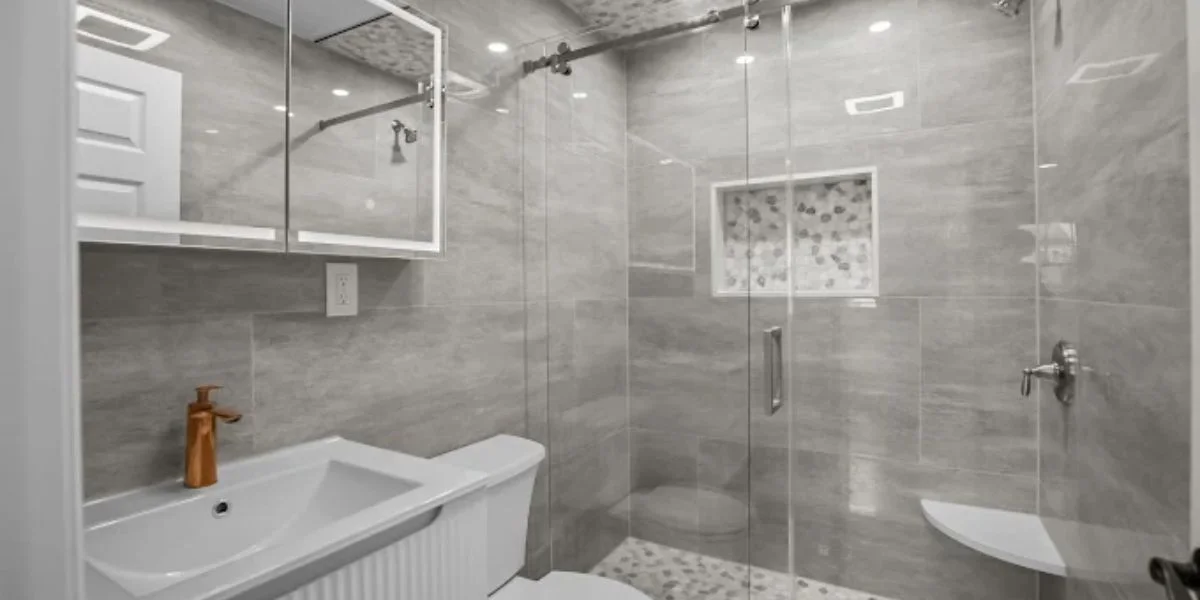
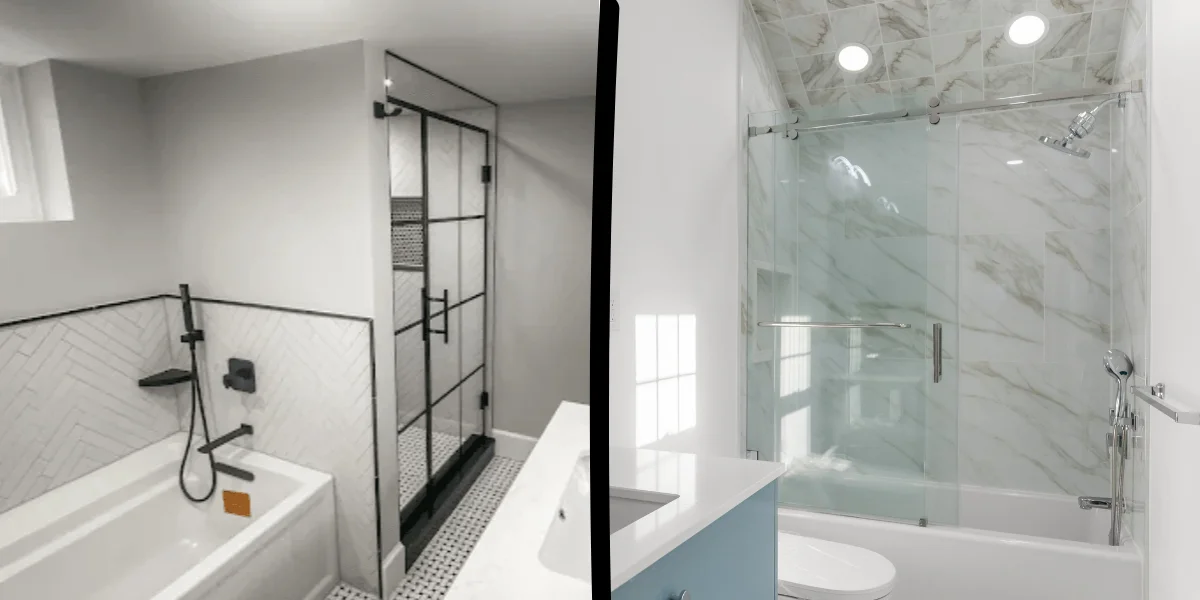
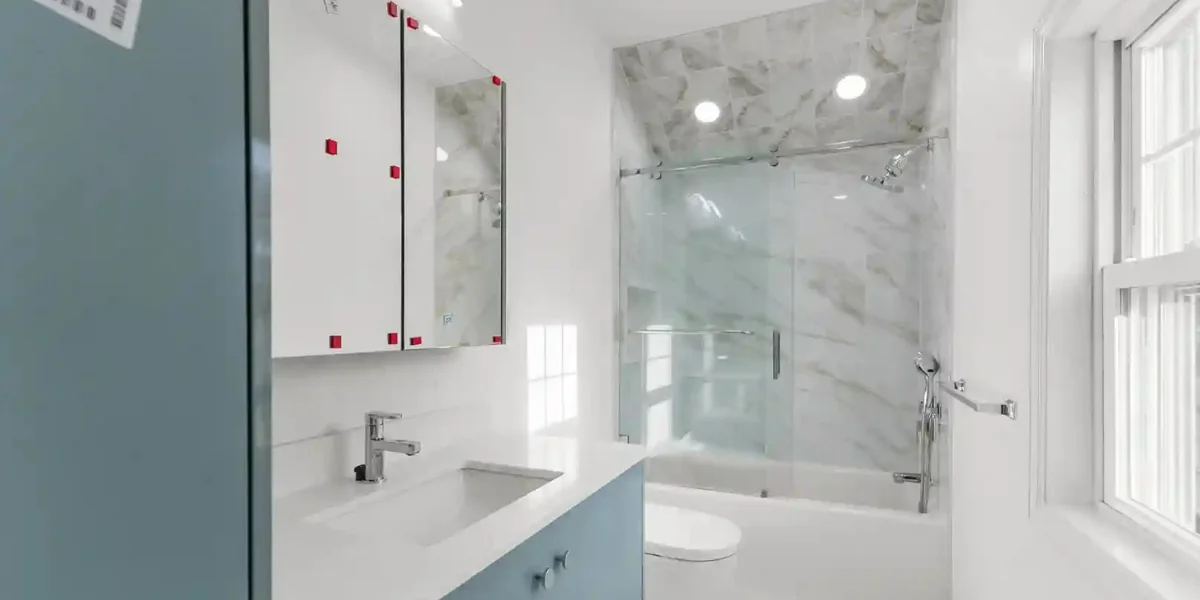
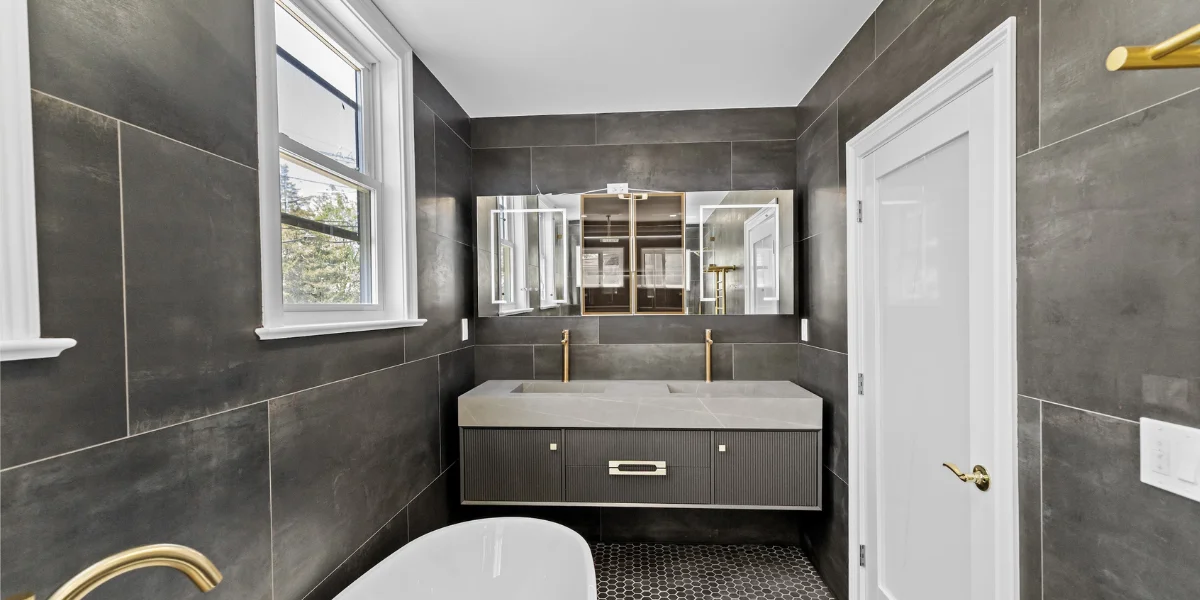
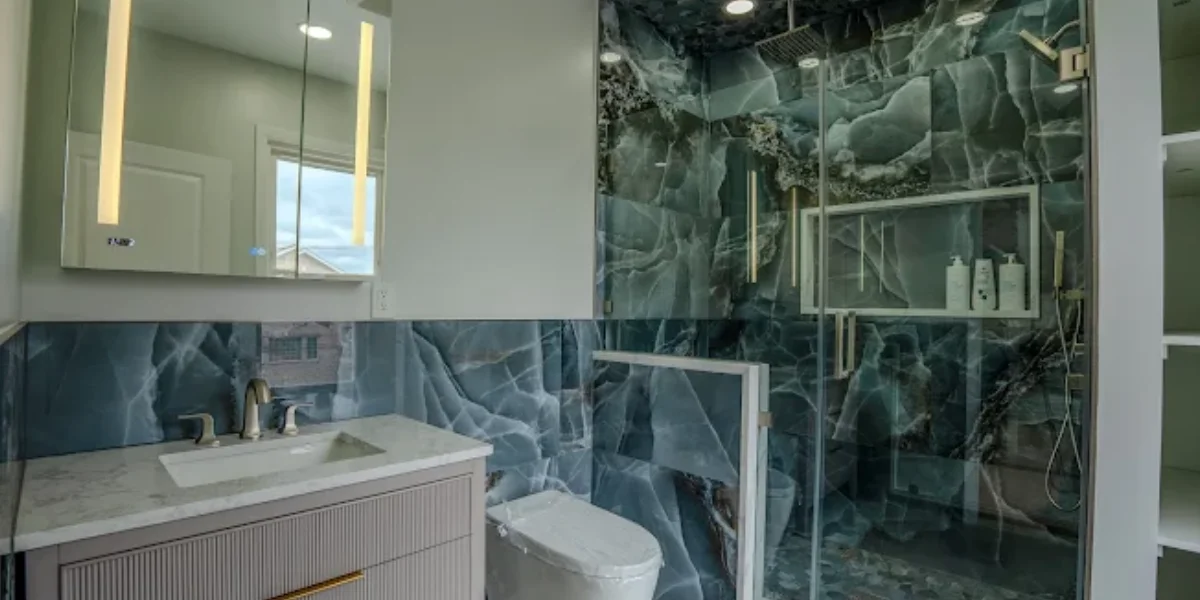
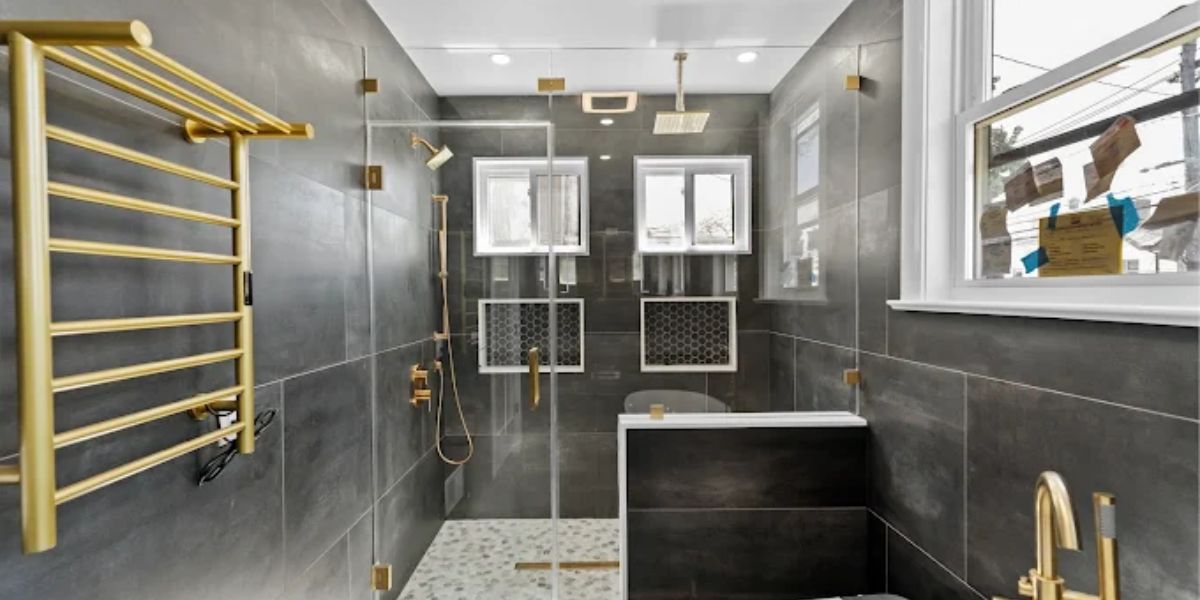
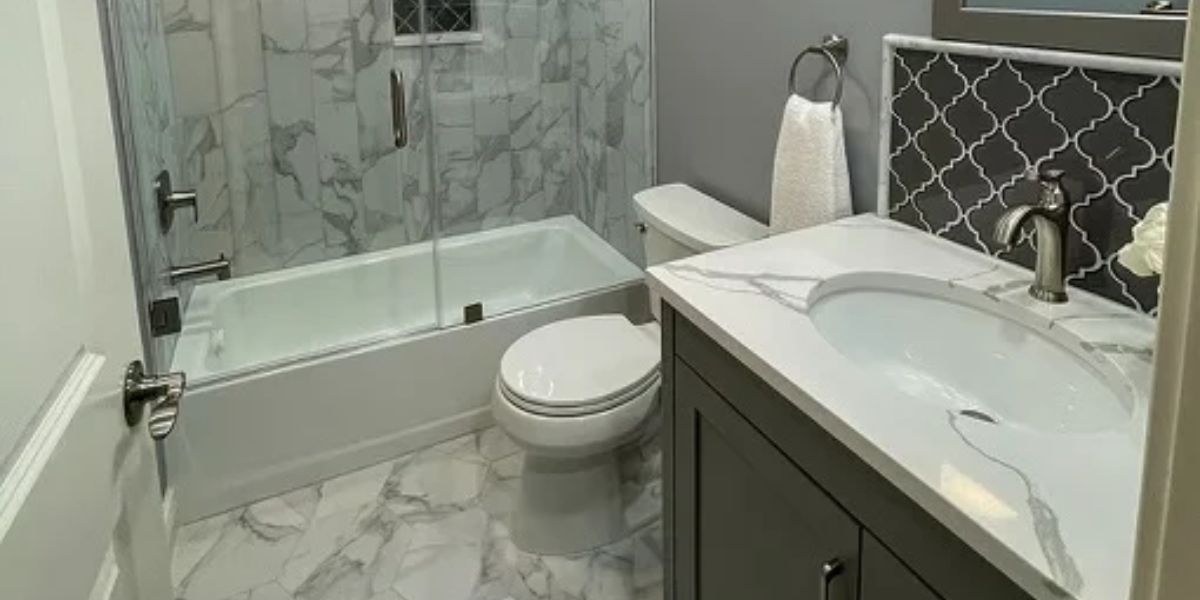
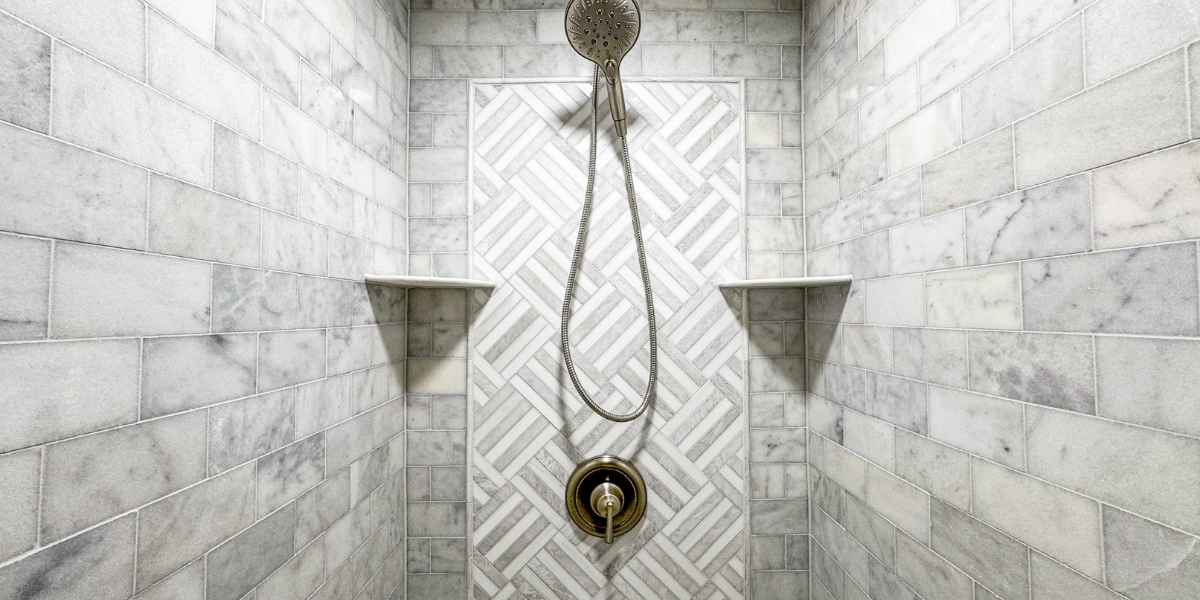
Bathroom renovation: New vanity, toilet, and fixtures. Fresh tile in the shower. Updated lighting and paint. But the bathroom is still in the same spot with the same basic layout. The plumbing stays put.
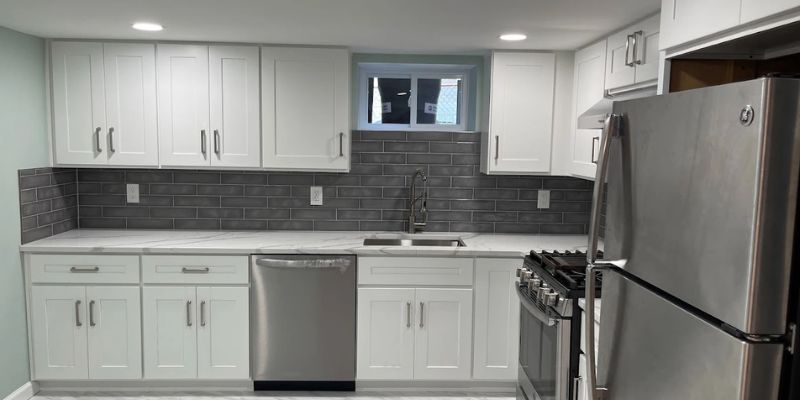
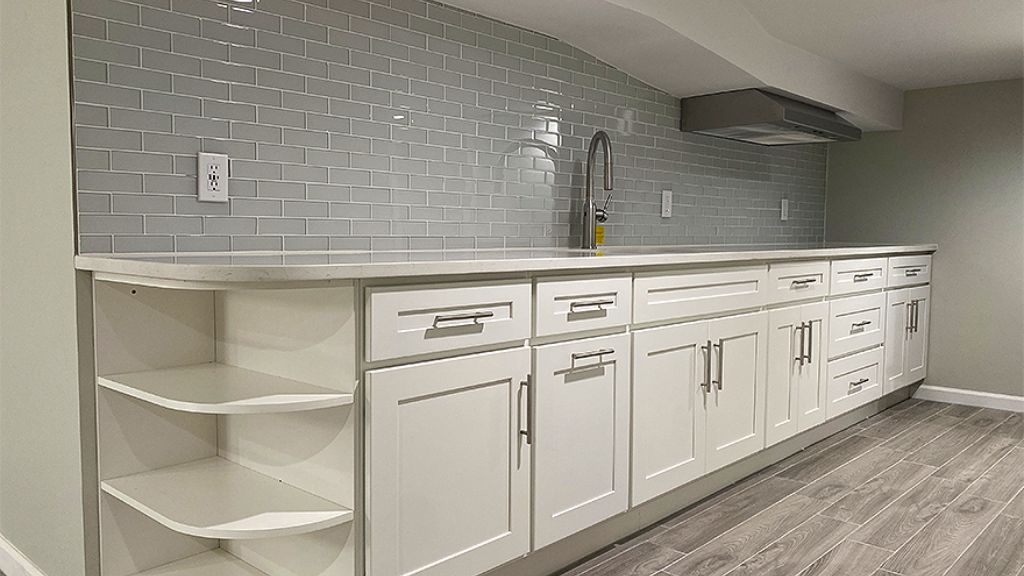
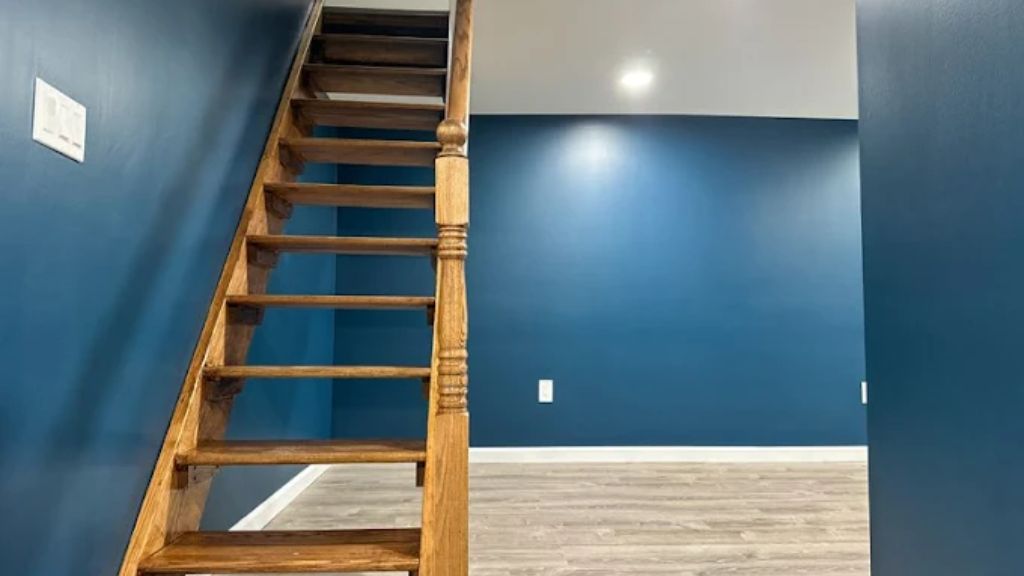
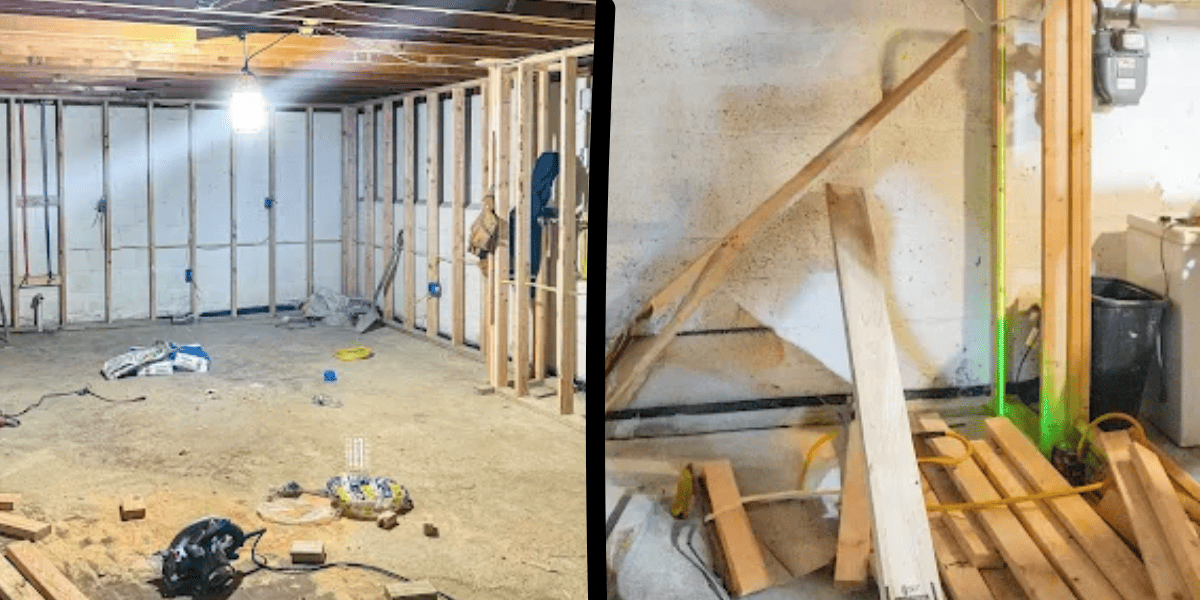
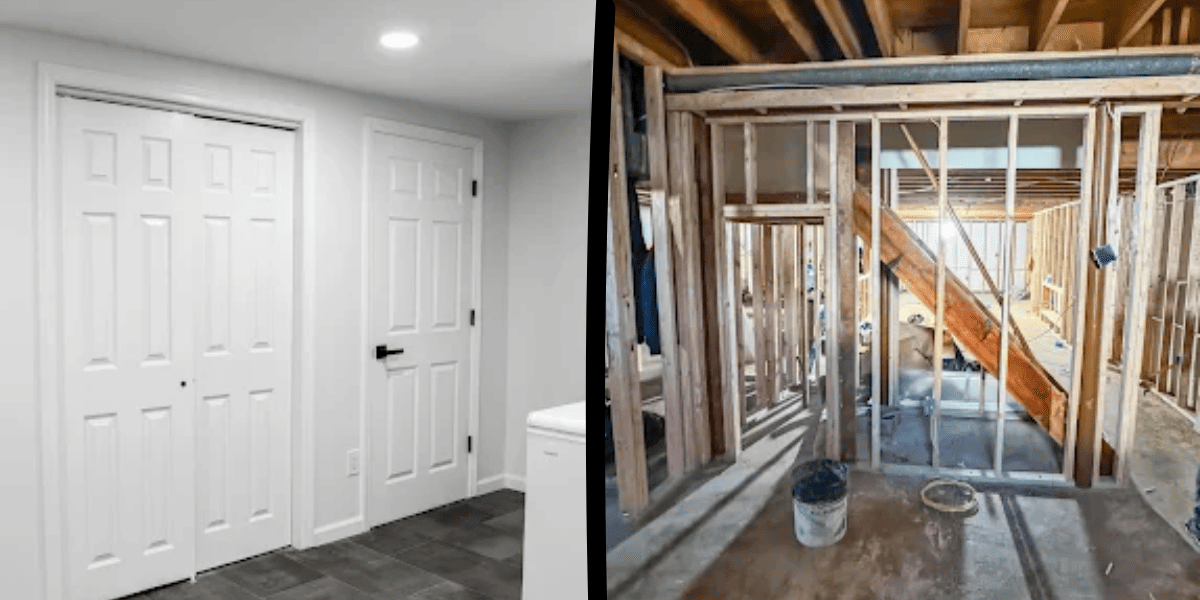
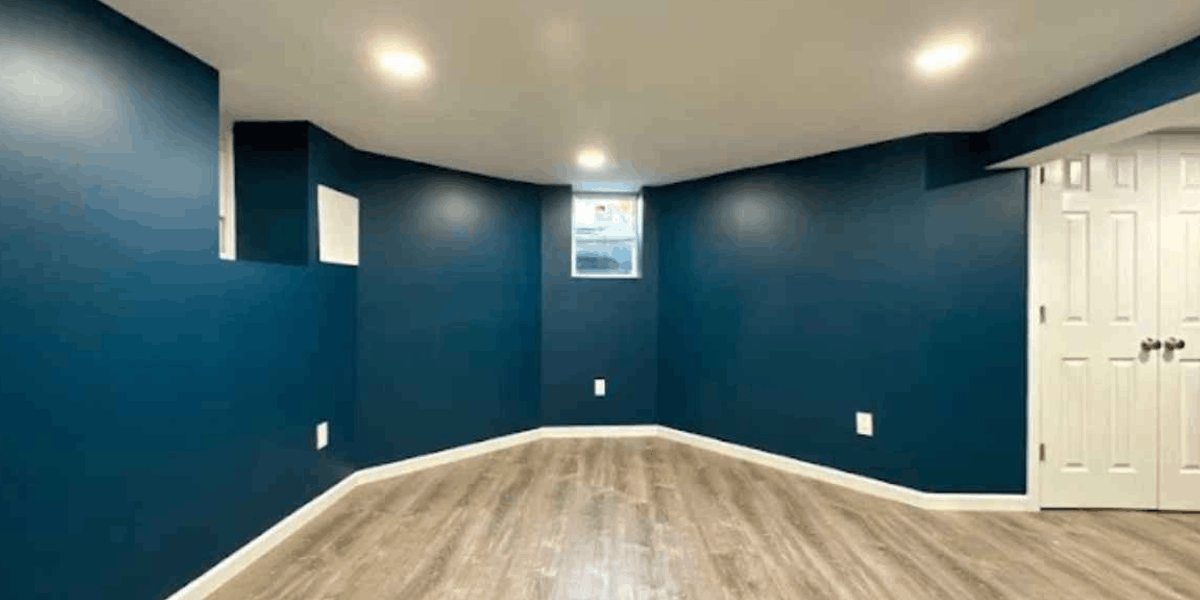
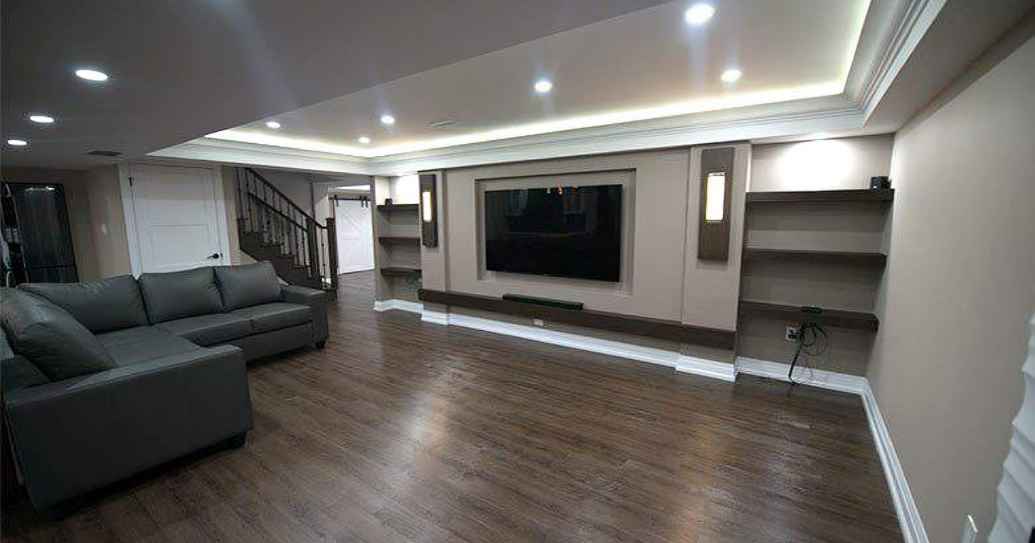
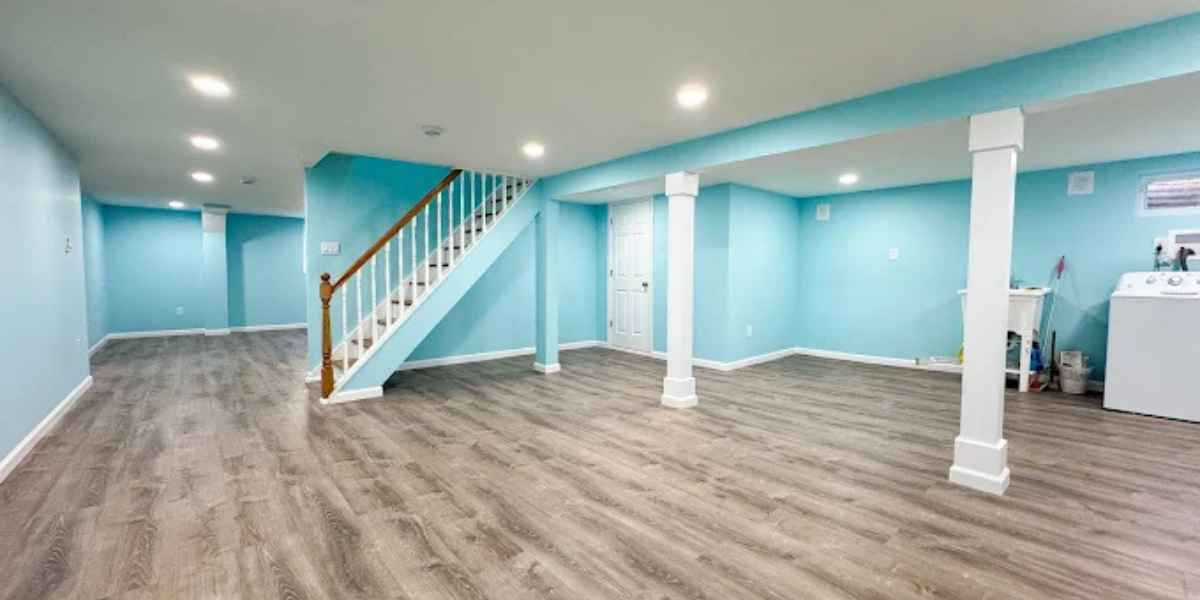
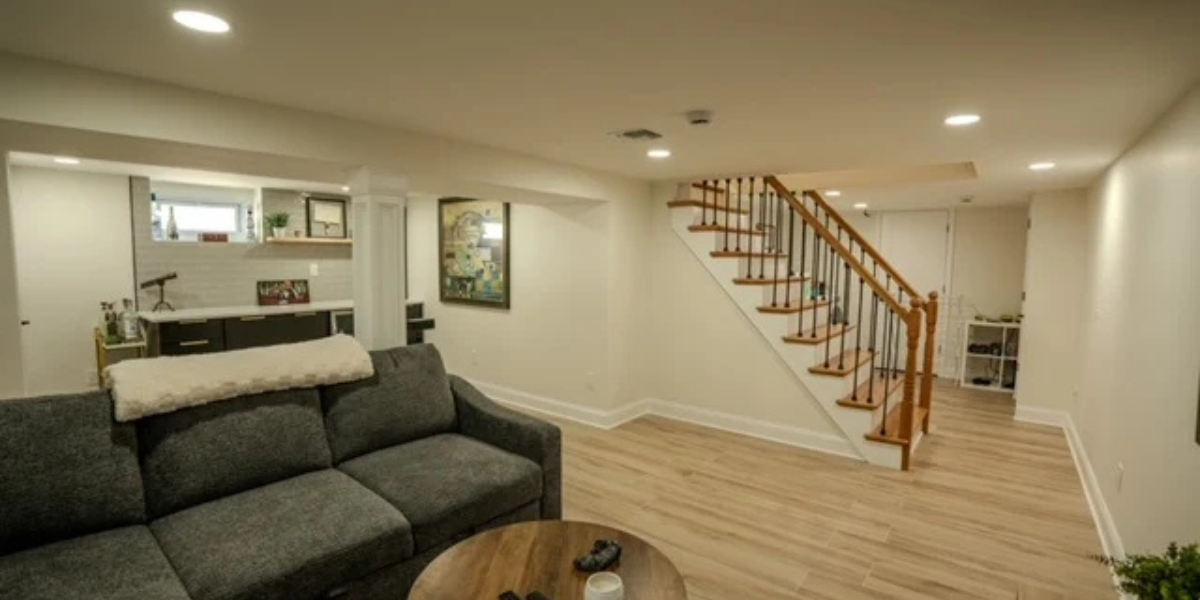
Basement renovation: Finishing an unfinished space adding walls, flooring, lighting, and maybe a bathroom. You're creating livable space from raw potential, but you're not fundamentally changing the structure.
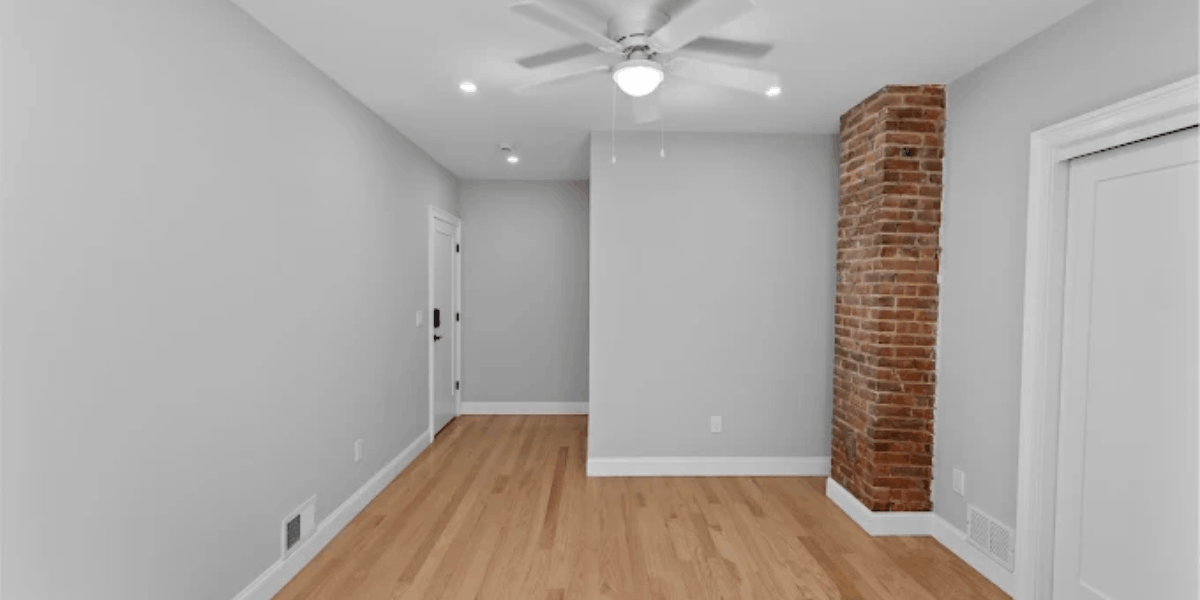
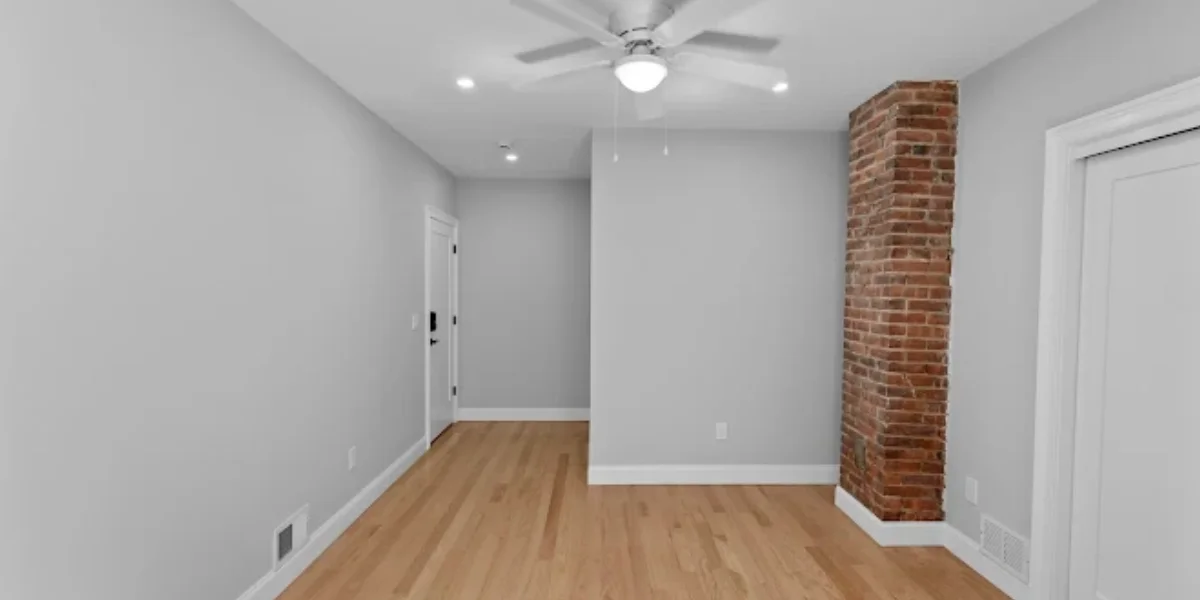
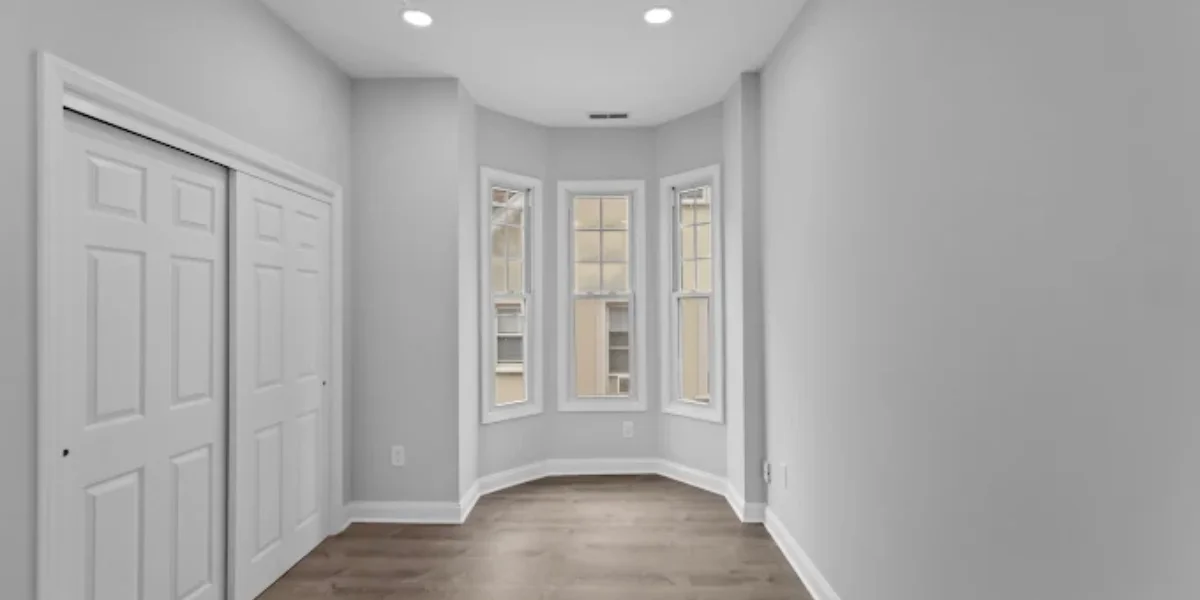
Whole-home renovation: Updating finishes throughout new flooring, fresh paint, modern light fixtures, updated trim work. Everything looks fresh and current, but walls aren't moving and rooms aren't being reconfigured.
The key characteristic: You're working within the existing footprint and structure. Nothing is being moved, added, or fundamentally reconfigured.
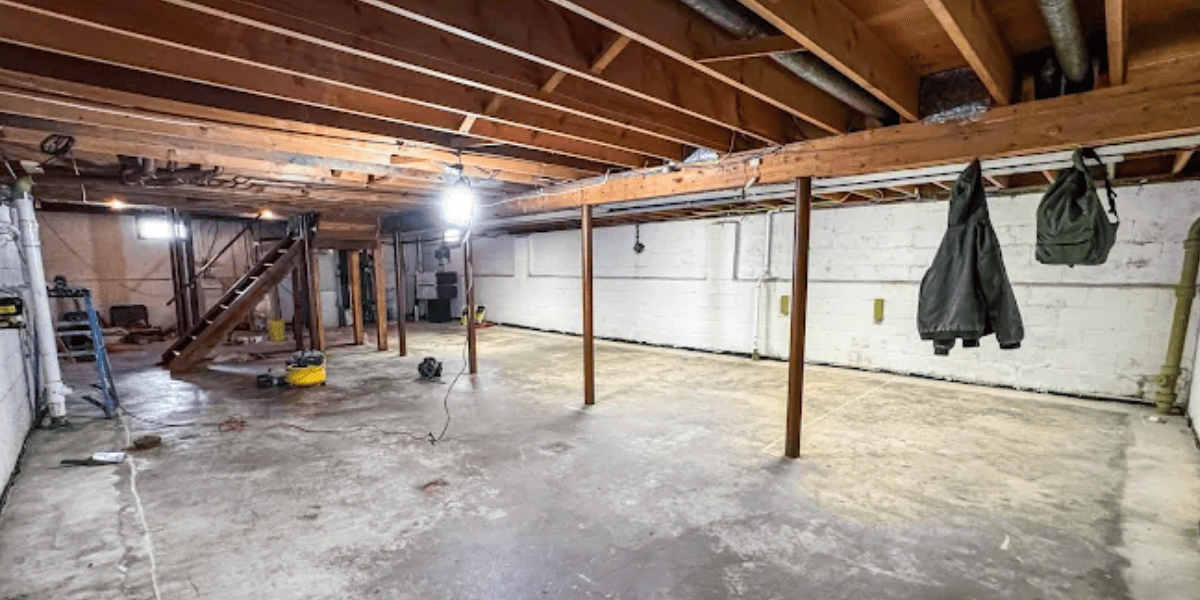
Remodeling goes deeper. You're not just updating, you're transforming. You're changing the structure, layout, or function of a space.
Remodeling means altering the structure or layout of a space to change its form or function. Walls come down. Rooms get bigger. Spaces are reconfigured. You're reimagining how the space works, not just how it looks.
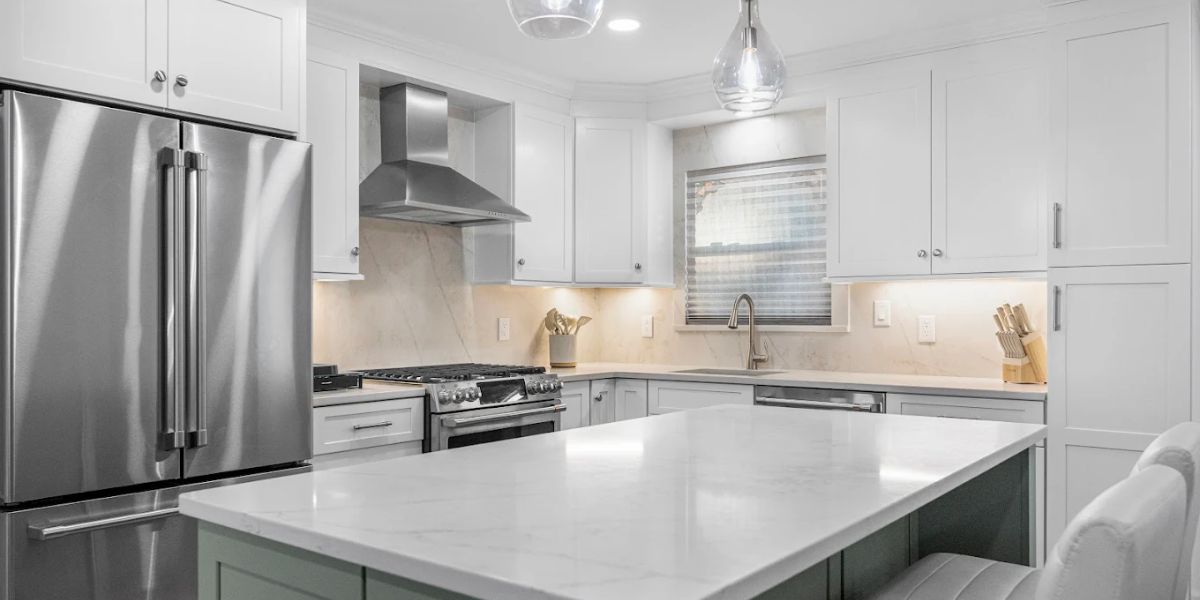
Kitchen remodel: Removing the wall between kitchen and dining room to create an open concept. Moving the sink to the island. Relocating appliances. Changing the entire layout and flow. This requires new plumbing lines, electrical work, potentially structural beams, and significant construction.
Also Read: https://www.adanconstruction.net/kitchen-remodeling
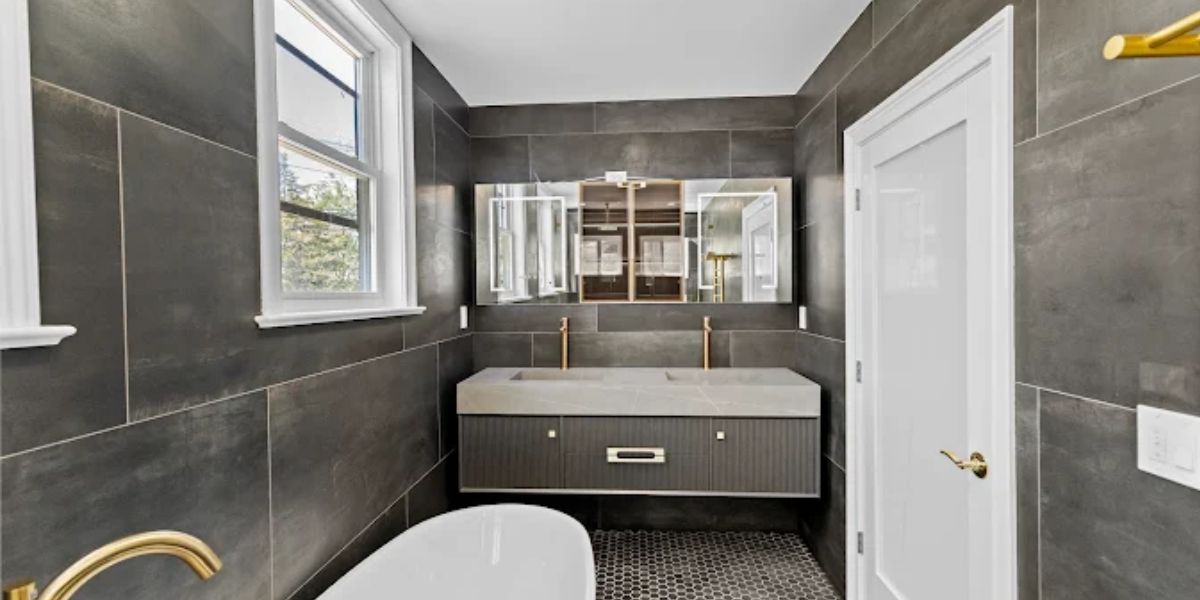
Bathroom remodel: Converting a small bathroom into a luxurious master suite by expanding into an adjacent bedroom. Moving the toilet location. Adding a separate shower where there was only a tub. Relocating plumbing and changing the entire room configuration.
Also Read: https://www.adanconstruction.net/bathroom-remodeling-contractor-nj
Basement remodel: Taking a finished basement and completely reconfiguring it, moving walls, creating new rooms, adding egress windows for bedrooms, installing a full bathroom where none existed. You're changing the function and layout, not just updating finishes.
Also Read: https://www.adanconstruction.net/basement-remodeling-nj
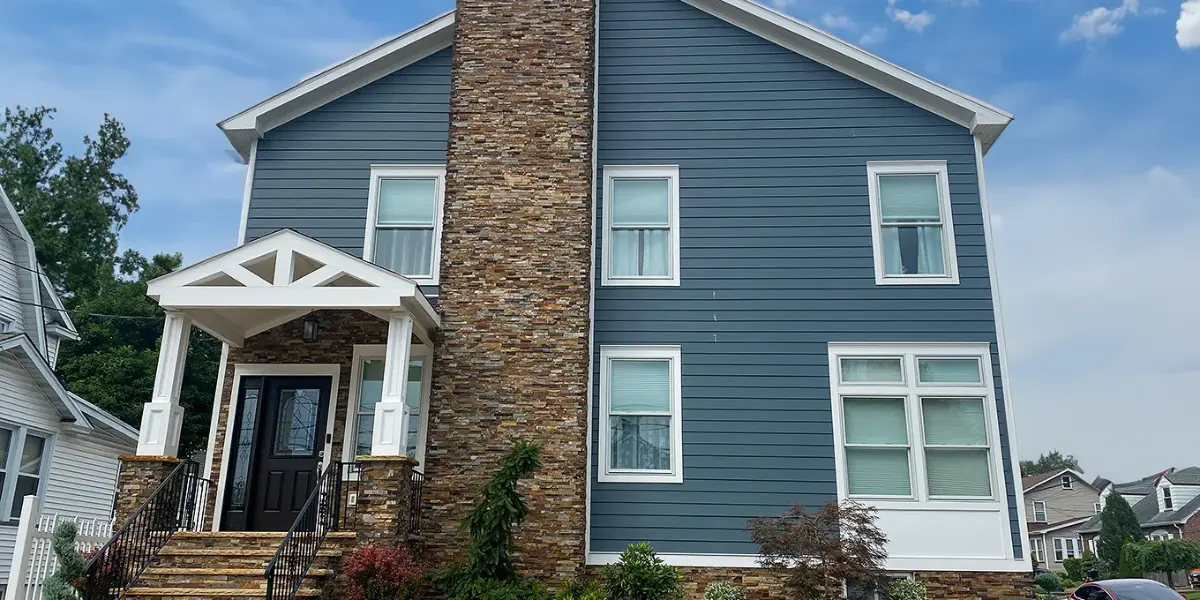
Adding square footage: Building an addition to your home, whether it's expanding a room, adding a second story, or creating an entirely new wing. This is always remodeling because you're changing the structure itself.
The key characteristic: You're changing how the space is structured or what it's used for. This requires permits, potentially architects or engineers, and significant construction work.
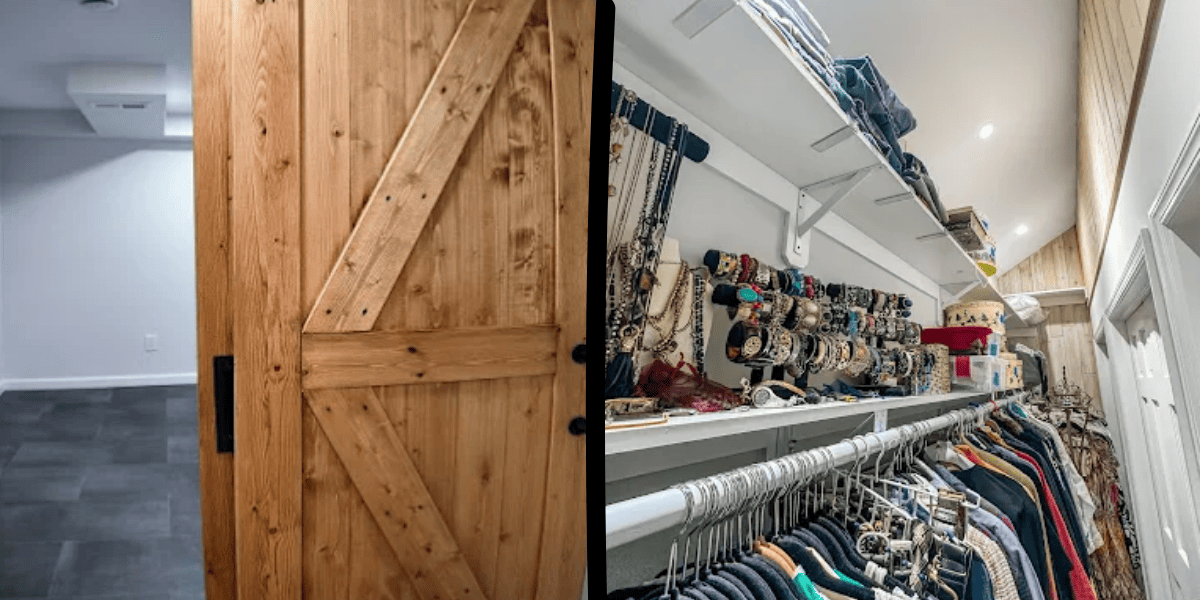
Let me make this crystal clear with a side-by-side comparison:
Renovation: Cosmetic and functional updates within existing structure. You're making what exists better.
Remodel: Structural changes that alter layout or function. You're creating something fundamentally different.
Renovation: Faster typically 2-8 weeks depending on scope. You're not waiting for structural work, permits, or inspections.
Remodel: Longer often 2-6 months. Structural work, permit approvals, and inspections add significant time.
Renovation: Often doesn't require permits for simple updates (painting, new flooring, fixture replacement). Some renovations like electrical or plumbing upgrades do need permits.
Remodel: Almost always requires permits. Moving walls, changing plumbing, electrical work, and structural modifications all need township approval and inspections.
Renovation: Can often be done without professional design help. You're working within existing constraints.
Remodel: Usually requires design professionals. Architects or designers help you reconfigure spaces properly and ensure structural integrity.
Renovation: Usually livable. You might lose use of one room at a time, but the home remains functional.
Remodel: Often requires temporary relocation, especially for major kitchen or bathroom remodels where you're moving plumbing and walls.
Renovation: Typically 60-80% ROI. Updates make your home more attractive and functional but don't add square footage or dramatically change the space.
Remodel: Can be 50-75% ROI depending on the project. Adding square footage or creating highly desirable features (open concept, master suite) can deliver strong returns, but costs are higher.

Let's talk numbers because that's probably what you really want to know.
Kitchen Renovation in NJ: $15,000-$40,000
Kitchen Remodel in NJ: $40,000-$100,000+
The cost difference comes from: Moving plumbing ($2,000-$8,000), structural work ($3,000-$15,000), permits and engineering ($1,500-$5,000), extended timeline and labor, and design fees.
Bathroom Renovation in NJ: $8,000-$25,000
Bathroom Remodel in NJ: $25,000-$60,000+
The cost difference comes from: Plumbing relocation ($3,000-$10,000), structural modifications ($2,000-$8,000), expanding footprint ($10,000-$30,000), and permitting and inspections ($800-$2,500).
Basement Renovation in NJ: $25,000-$50,000 for 1,000 sq ft
Basement Remodel in NJ: $50,000-$100,000+ for 1,000 sq ft
The cost difference comes from: Egress window installation ($3,000-$6,000 each), complex plumbing for relocated features ($5,000-$15,000), structural modifications, and extensive design work.
Whole-Home Renovation in NJ: $50,000-$150,000
Whole-Home Remodel in NJ: $150,000-$400,000+
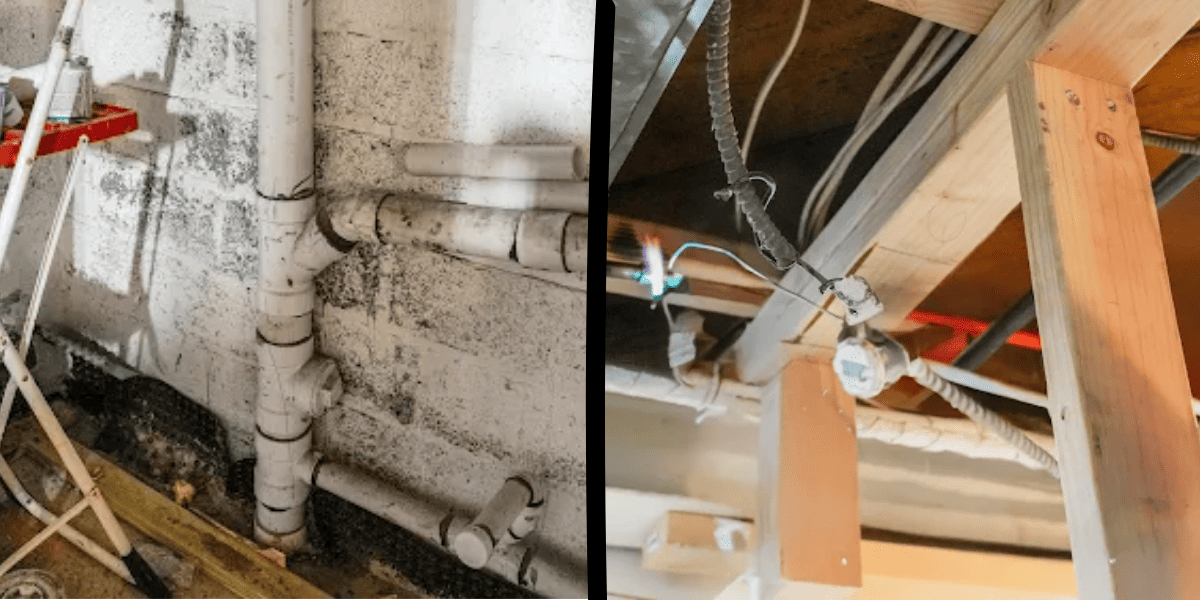
While we're clarifying terms, let's address another confusion: renovation versus repair.
Repair means fixing something that's broken or damaged. You're restoring function, not improving or updating. A leaky roof needs repair. A cracked foundation needs repair. Broken HVAC system? That's a repair.
Renovation means improving or updating something that works but is outdated or worn. Your 1980s kitchen functions fine; it just looks dated. That's renovation territory.
Here's the thing homeowners often miss: sometimes you need repairs before you can renovate or remodel. I've had clients excited about their kitchen renovation until we discovered the subfloor had rotted from an old leak. That's a repair that must happen first.
Common repairs that delay renovations:
Budget for hidden repairs: In New Jersey homes built before 1980, I always recommend budgeting 15-20% contingency for unexpected repairs. They're not if, they're when.
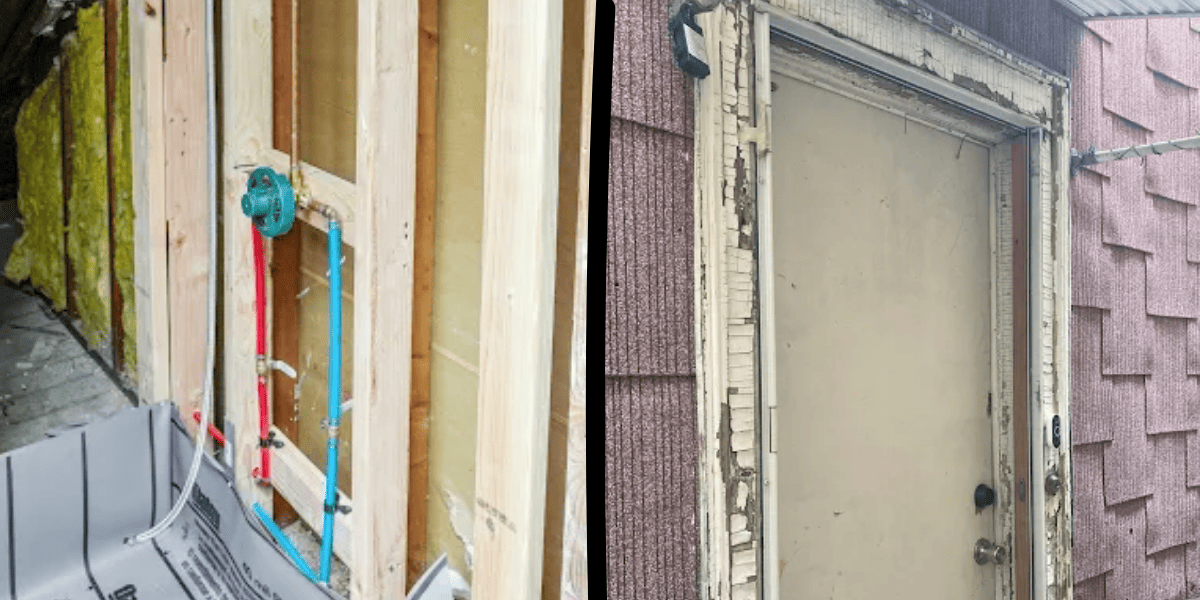
Let's add one more term to complete your understanding: restoration.
Restoration means returning something to its original condition. This is common in historic homes where you want to preserve original character. You're not modernizing, you're carefully bringing back what once was.
Repair: Fix what's broken. Example: Replace broken tiles, fix leaky faucet.
Restoration: Return to original condition. Example: Restore original hardwood floors, refinish antique cabinets to their 1920s glory.
Renovation: Update and improve within the existing structure. Example: Modern kitchen with new cabinets and appliances in the same layout.
Remodel: Transform structure and function. Example: Remove walls to create open-concept kitchen-living space.
Most projects combine multiple approaches. You might repair water damage, restore original molding, renovate the bathroom, and remodel the kitchen all in one project.
Let me break down the advantages and disadvantages of each approach so you can decide what fits your situation.
Lower cost: Typically 40-60% less expensive than remodeling since you're not moving walls or plumbing.
Faster completion: Projects finish in weeks instead of months. Less disruption to your life.
Fewer permits: Simple renovations often don't require township permits, speeding up the process.
Lower risk: Working within an existing structure means fewer surprises and unknowns.
Easier to DIY portions: You can potentially handle painting, fixture replacement, or other elements yourself to save money.
More predictable budget: Fewer variables mean fewer unexpected costs.
Limited transformation: You're stuck with the basic layout and flow. If your kitchen layout is fundamentally dysfunctional, renovation won't fix that.
Can't add space: Renovation doesn't increase square footage or make rooms larger.
May not solve core problems: If walls are in the wrong places or the room configuration doesn't work, updates won't address that.
Potential for over-improvement: In some cases, extensive renovation costs approach remodeling costs without delivering the same transformation.
Complete transformation: You can create exactly the space you want with the layout that works for your lifestyle.
Adds functionality: Reconfigure spaces to work better for modern living (open concepts, better flow).
Can add square footage: Expand rooms or add new spaces to increase home value.
Solves fundamental problems: If your layout is the issue, remodeling fixes it rather than just covering it up.
Higher potential ROI: Strategic remodels (adding bathrooms, creating master suites, opening up spaces) can deliver strong returns.
Future-proofs your home: Creating flexible, modern spaces means you won't need to do this again for 15-20 years.
Significantly higher cost: Structural work, permits, and extended timelines make remodeling 2-3x more expensive than renovation.
Longer timeline: Permits alone can take 2-8 weeks in New Jersey before work even begins. Total projects often take 3-6 months.
More disruption: Major remodels may require temporary relocation, especially for kitchens and bathrooms.
Higher risk of surprises: Opening walls reveals hidden issues: old wiring, plumbing problems, structural damage.
Requires professionals: You can't DIY structural work. You need licensed contractors, potentially architects and engineers.
More stress: Managing a complex project with permits, inspections, and major construction is challenging.

Here's how I help clients make this decision at Adan Construction:
Your layout works, but finishes are dated. The room functions fine, you just hate looking at it. Renovation updates everything without the cost and hassle of moving walls.
You're on a tighter budget. If you have $30,000 for your kitchen instead of $70,000, renovation delivers a dramatic improvement within your means.
You're planning to move in 5-7 years. Renovation gives you a fresh, marketable space without over-investing in a home you won't enjoy for decades.
You want minimal disruption. Renovations are faster with less impact on your daily life. You can often stay in your home throughout.
The bones are good. If systems (electrical, plumbing, HVAC) are in decent shape and properly located, there's no reason to move them.
Your layout is fundamentally dysfunctional. You bump into people constantly, the workflow doesn't make sense, or rooms are too small for their purpose. Remodeling fixes these core problems.
You're planning to stay 10+ years. The longer your timeline, the more sense it makes to invest in creating exactly what you want.
You need more space. If your home is too small, remodeling (through additions or reconfiguring) adds the square footage you need.
You want open-concept living. Removing walls between kitchen, dining, and living areas requires remodeling.
Your home has significant structural issues. If you're already opening walls to fix problems, it often makes sense to reconfigure at the same time.
You're willing to invest for long-term satisfaction. Remodeling costs more upfront but delivers the space you'll love for decades.
Sometimes the smartest move is combining both. Remodel the kitchen (removing a wall for open concept, relocating plumbing) while renovating bathrooms (updating fixtures and finishes in existing layouts). This gives you transformation where it matters most while controlling costs in other areas.
Within the renovation category, there are actually three distinct approaches. Understanding these helps you communicate clearly with contractors and set appropriate budgets.
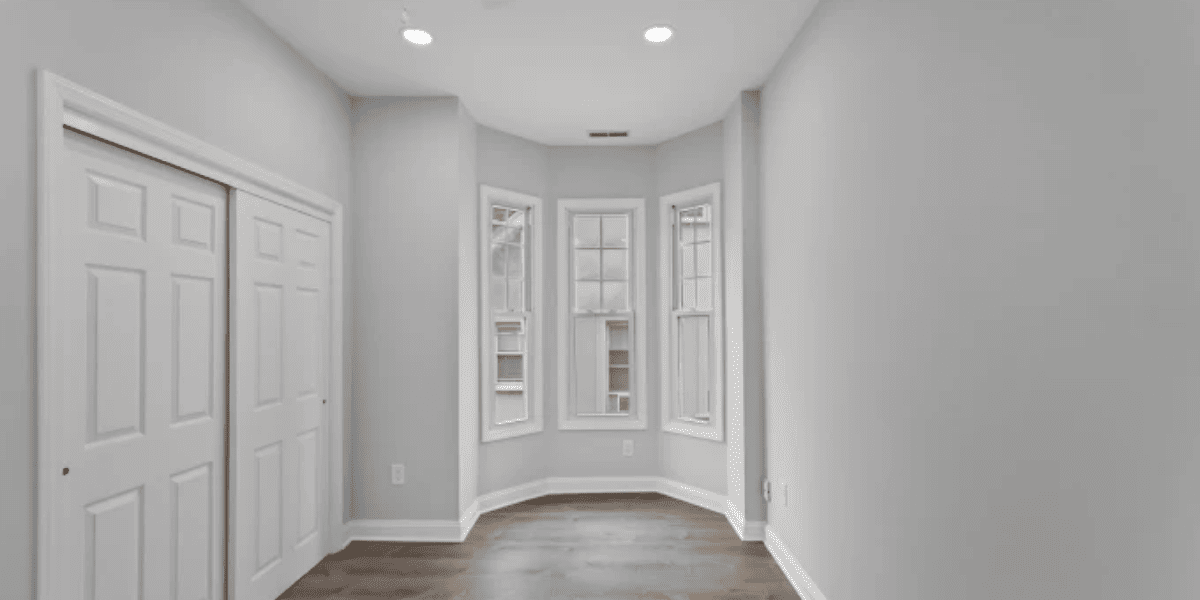
What it includes: Paint, new fixtures, minor repairs, cleaning and refreshing surfaces.
Timeline: 1-3 weeks
Cost in NJ: $5,000-$20,000 depending on home size
Best for: Preparing to sell, refreshing a recently purchased home, updating one or two rooms on a budget.
Example: Painting the entire interior, replacing outdated light fixtures, installing new cabinet hardware, refinishing hardwood floors, updating bathroom fixtures.
This is the lightest touch you're making things look fresh and current without replacing major elements.
What it includes: Replacing cabinets, countertops, flooring, appliances, fixtures, and finishes while maintaining layout.
Timeline: 4-12 weeks depending on scope
Cost in NJ: $20,000-$75,000 depending on rooms and materials
Best for: Significantly outdated spaces that function okay but need comprehensive updating.
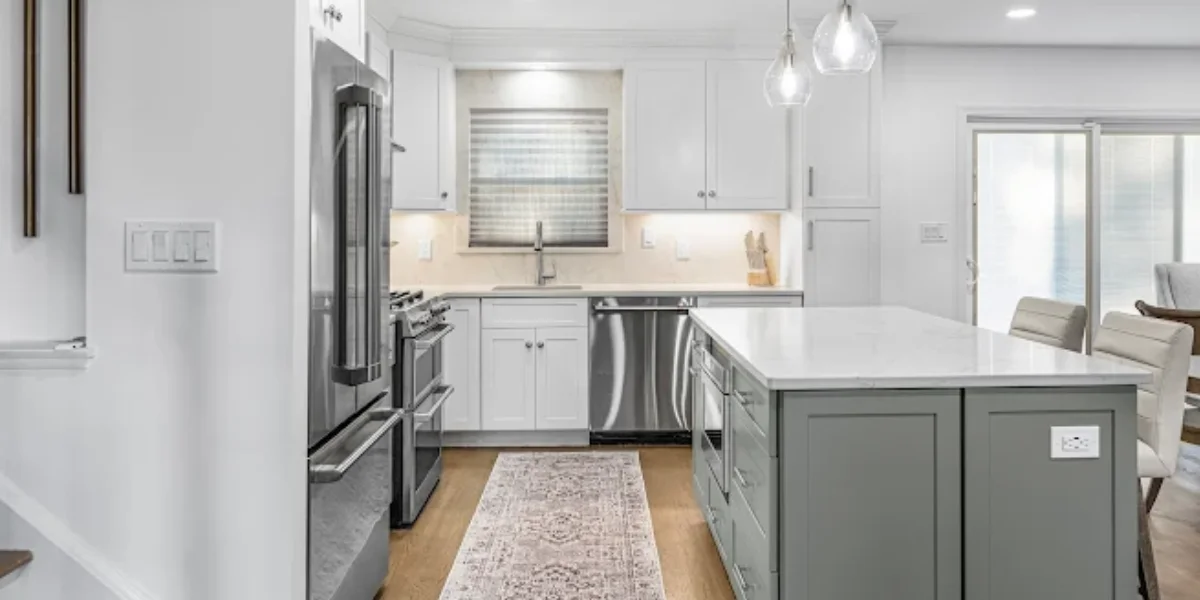
Example: Complete kitchen renovation with new cabinets, countertops, backsplash, appliances, flooring, and lighting all in existing locations. Or full bathroom renovation with new vanity, toilet, tile, and fixtures in the same layout.
This is what most people mean when they say "renovation" a complete refresh that makes everything look and work like new.
What it includes: Taking space down to studs, replacing all systems and finishes, but keeping walls in existing locations.
Timeline: 6-16 weeks
Cost in NJ: $75,000-$200,000+ depending on scope
Best for: Homes with outdated systems, significant wear, or when you want everything brand new but the layout works.
Example: Gutting a kitchen to the studs, replacing all electrical and plumbing, installing new insulation, hanging new drywall, then building out with new cabinets, counters, appliances, and finishes all in the same configuration.
This approaches remodeling costs but doesn't include the permit complexity of moving walls. It's common in older New Jersey homes where systems need updating but the layout is fine.
Let me share actual projects we've completed at Adan Construction to illustrate the difference.
Client situation: 1960s kitchen with good layout but completely dated finishes. Clients loved the workflow and didn't want construction hassle.
What we did:
Timeline: 5 weeks
Result: Looks like a completely different kitchen. Clients saved $40,000+ compared to remodeling and got exactly what they needed.
Client situation: 1950s closed-off kitchen separated from dining and living areas. The family wanted an open-concept for entertaining and daily life.
What we did:
Timeline: 14 weeks (including permit approvals)
Result: Completely transformed how the family uses their home. The open concept created the modern living space they wanted. Higher cost, but solved fundamental layout problems that renovation couldn't address.
Client situation: 1980s bathroom with pink tile and dated fixtures but good size and layout.
What we did:
Timeline: 3 weeks
Result: Looks completely modern and fresh. Cost less than half of what remodeling would have run.
Client situation: Small bathroom next to master bedroom. Clients wanted a master suite with a large shower and double vanity.
What we did:
Timeline: 8 weeks
Result: Created the master suite they wanted. Added significant value and functionality. Only possible through remodeling renovation couldn't have achieved this transformation.
After years of projects, I've seen homeowners make the same mistakes repeatedly. Don't be one of them.
Mistake 1: Choosing renovation when remodeling is needed. If your layout is the problem, no amount of pretty finishes will fix it. You'll spend $30,000 on renovation and still be frustrated with the flow and function. Sometimes remodeling is the only solution.
Mistake 2: Over-remodeling when renovation would work. Don't move walls just because you can. If your layout functions well, save yourself the money, time, and hassle. Renovation delivers an amazing transformation at a fraction of the cost.
Mistake 3: Not planning for permits. Remodeling requires a permit period. I've seen homeowners try to skip this step to "save money." Then the township finds out, work gets shut down, and they end up paying fines plus the permit fees anyway. Always pull proper permits.
Mistake 4: Underestimating remodeling timelines. Clients often expect remodeling to take the same time as renovation. It doesn't. Permit approvals alone can take 2-8 weeks in New Jersey. Factor in realistic timelines or you'll be frustrated.
Mistake 5: Not budgeting for contingency. Whether renovating or remodeling, unexpected issues happen. Budget 15-20% contingency especially in older NJ homes. That cushion prevents panic when you discover old wiring or water damage.
Mistake 6: Trying to DIY remodeling work. Renovation has some DIY potential (painting, demo work). Remodeling doesn't. Structural work, moving plumbing, and electrical relocations require licensed professionals. Don't risk your safety or your home's value.
Mistake 7: Choosing based on cost alone. The cheapest contractor bid is often the one missing scope, cutting corners, or underqualified. For both renovation and remodeling, value matters more than the lowest price.
A kitchen renovation updates the existing space with new cabinets, countertops, appliances, and finishes in the same layout. A kitchen remodel changes the structure or layout by removing walls, relocating plumbing, moving appliances, or reconfiguring the entire space. Renovation is faster and less expensive; remodeling transforms function and flow.
Refurbishing is similar to renovation: you're cleaning, repairing, and updating surfaces and finishes without structural changes. Think of it as refreshing what exists. Remodeling goes deeper by changing structure, layout, or function. Refurbishing might cost $5,000-$15,000 for a room. Remodeling the same room could cost $25,000-$60,000+.
Renovation means updating or improving an existing space without changing its structure or layout. You're working within the current footprint replacing old finishes, updating fixtures, installing new features but walls stay where they are and rooms maintain their existing configuration. Renovation makes spaces look and work better without fundamental transformation.
The three types are:
(1) Cosmetic renovation light updates like paint, fixtures, and minor repairs ($5,000-$20,000);
(2) Standard renovation full updates replacing cabinets, counters, flooring, and finishes while keeping layout ($20,000-$75,000);
(3) Gut renovation taking space to studs and rebuilding with new systems and finishes in existing configuration ($75,000-$200,000+). Each serves different needs and budgets.
You now understand the fundamental differences between renovation and remodeling. The question is: which approach is right for your project?
Start by honestly assessing your needs:
Get professional input before deciding. Walk through your space with someone who does this for a living. At Adan Construction, we help clients understand what's possible within their budget and timeline whether that's renovation, remodeling, or a strategic combination.
Sometimes the answer is obvious. Sometimes it's not. That's where experience matters.


.png)
.png)


.webp)




.jpg)