Designing a bathroom remodel begins with how the space needs to change. Focus on the layout, storage, lighting, and the daily problems you want the new design to fix.This gives you a clear direction before choosing materials or drawing out the final plan.
This guide breaks the process into practical steps so you can shape a design that fits your bathroom size, plumbing limits and style goals without guessing or backtracking.
Decide which features are essential. Do you want a walk in shower instead of a tub? Do you need a single or double vanity? Think about who uses the bathroom and how often. Your needs will shape the layout from the start.
Smaller bathrooms benefit from compact fixtures. Standard vanities are about 21 inches deep, but shallow units make tight rooms feel more open. Choose fixtures that match the room size so the layout feels balanced.
Separate the bathroom into wet and dry areas. Keep the shower in one section with proper waterproofing. Place dry zones like the vanity and toilet where movement is easier and moisture is lower.
Make sure you can move through the space without squeezing around fixtures. Avoid doors that block the room when opened. A pocket door or sliding door is a smart choice for small bathrooms.
Position fixtures where they make sense. A mirror belongs above the vanity. A towel bar should be within reach of the shower. Keep storage close to where items are used to make daily routines smoother.
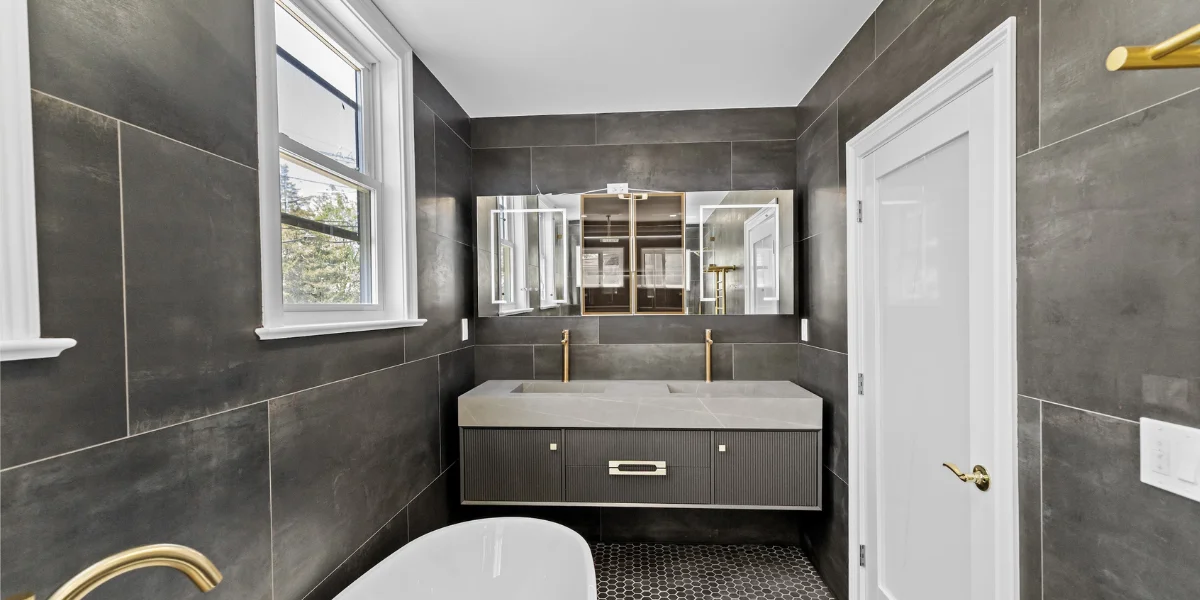
Wall mounted toilets and vanities free up floor space and make cleaning easier. If you want a modern look, choose a concealed tank or floating vanity for a cleaner, more open feel.
Check what someone sees when the bathroom door opens. Use frosted glass on windows or add insulation inside walls if the bathroom shares a wall with a bedroom. Small adjustments improve comfort.
Built in niches, shelves, and cabinets help avoid clutter. Even small changes like adding hooks, rails or recessed shelves make the bathroom more organized and easier to use.
During design planning, Adan Construction often reviews these points with homeowners during the initial walkthrough.
Your bathroom’s size decides which layouts and fixtures will fit. Small rooms may need compact vanities or corner showers, while larger spaces can handle double sinks or wider walkways. Accurate measurements help you avoid design changes later.
Keeping plumbing in the same place saves money and reduces construction time. Moving a toilet or shower requires open the floor and lines so it is best to design around the current setup unless a layout change is necessary.
Think about how much storage you need each day. Drawers, shelves, and larger vanities keep the space organized. Decide early if you want extra storage built into the shower such as niches or corner shelves.
Good lighting makes the bathroom easier to use. Plan for bright light around the mirror and softer light in the shower area. A mix of overhead and task lighting keeps the room balanced.
Bathrooms produce daily moisture, so you need a good exhaust fan to prevent fogging and humidity issues. Proper ventilation protects your paint, tile, and fixtures over time.
Bathrooms need materials that can handle steam, splashes, and daily use. Pick tile, vanity finishes, and fixtures designed for moisture-heavy spaces so they hold up longer.
Choose a budget range before picking your materials. This helps you stay on track and prevents mid project changes that can slow the remodel.
Start by choosing the overall look you want for your bathroom. Decide whether you prefer a modern, classic, spa-like, or minimal style. Look through photos and color combinations to see which designs feel right for your space.
Once you have a direction, collect a few examples of tile, vanities, fixtures, and lighting that match your style. Seeing these pieces together helps you imagine how they will fit in your bathroom.
Narrow your choices to the main items you want to feature. Pick one main tile, one accent tile, and matching finishes for faucets and hardware. Keeping the design simple makes the bathroom feel clean, balanced, and easy to build.
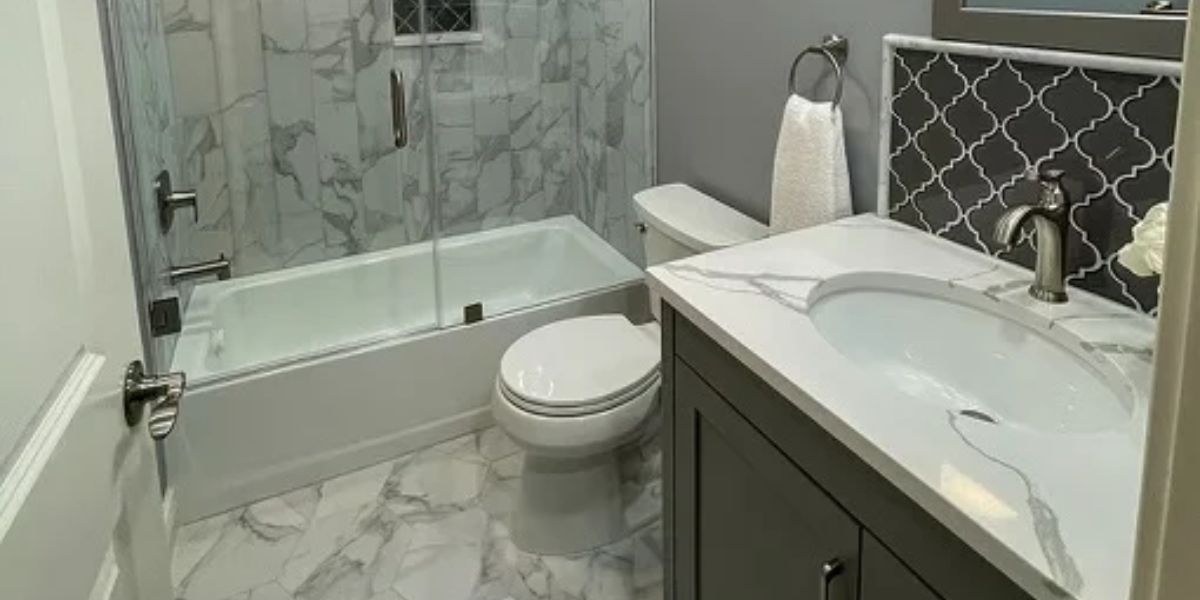
Here are simple ideas that work well in most bathrooms:
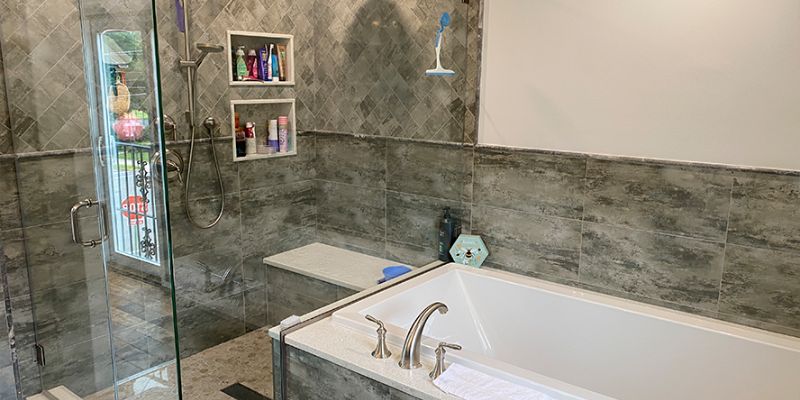
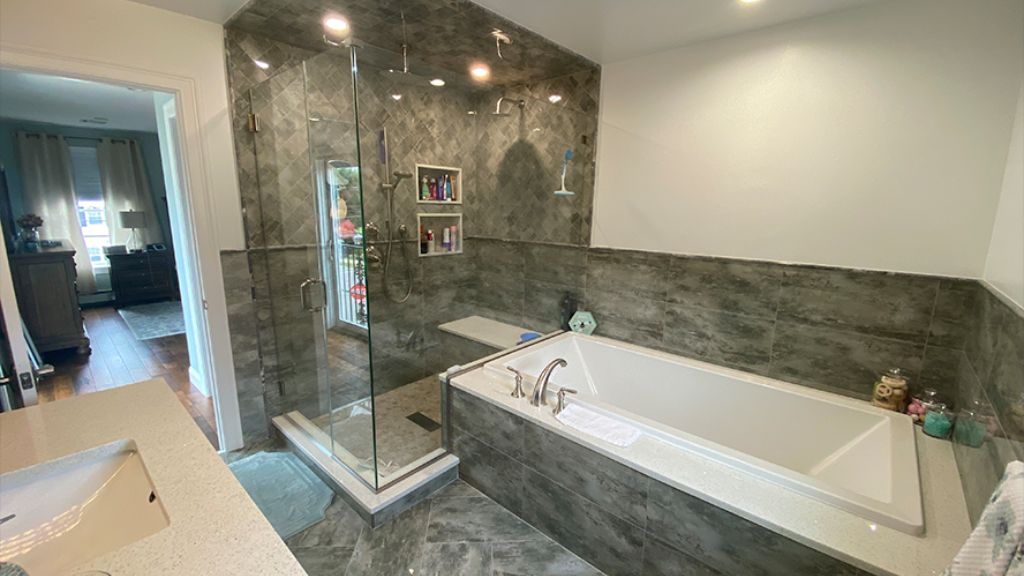
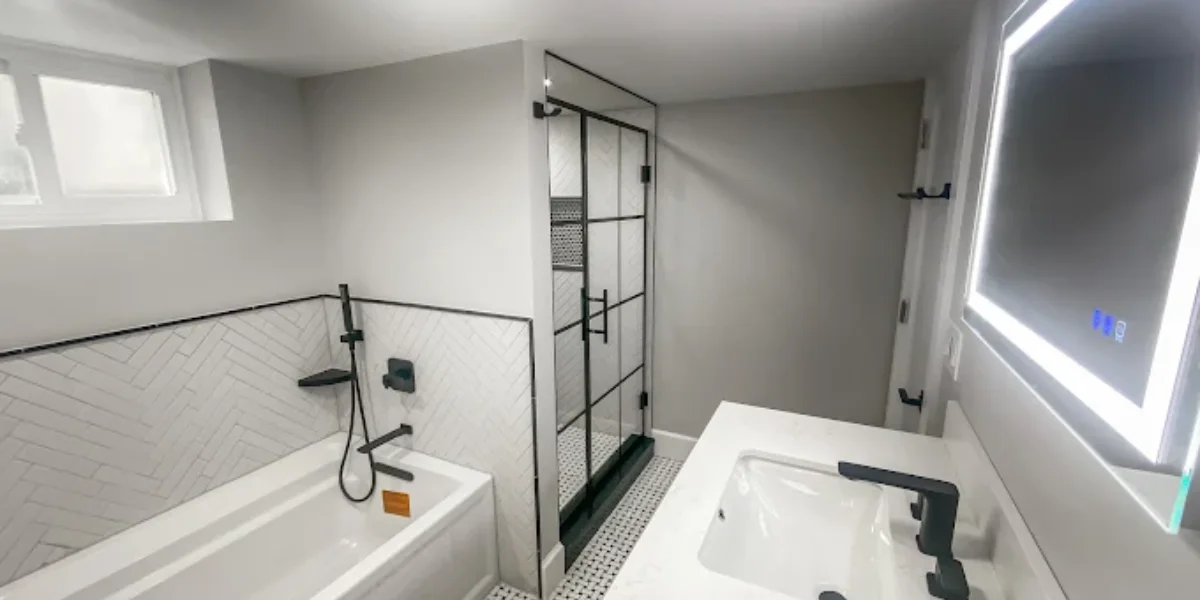
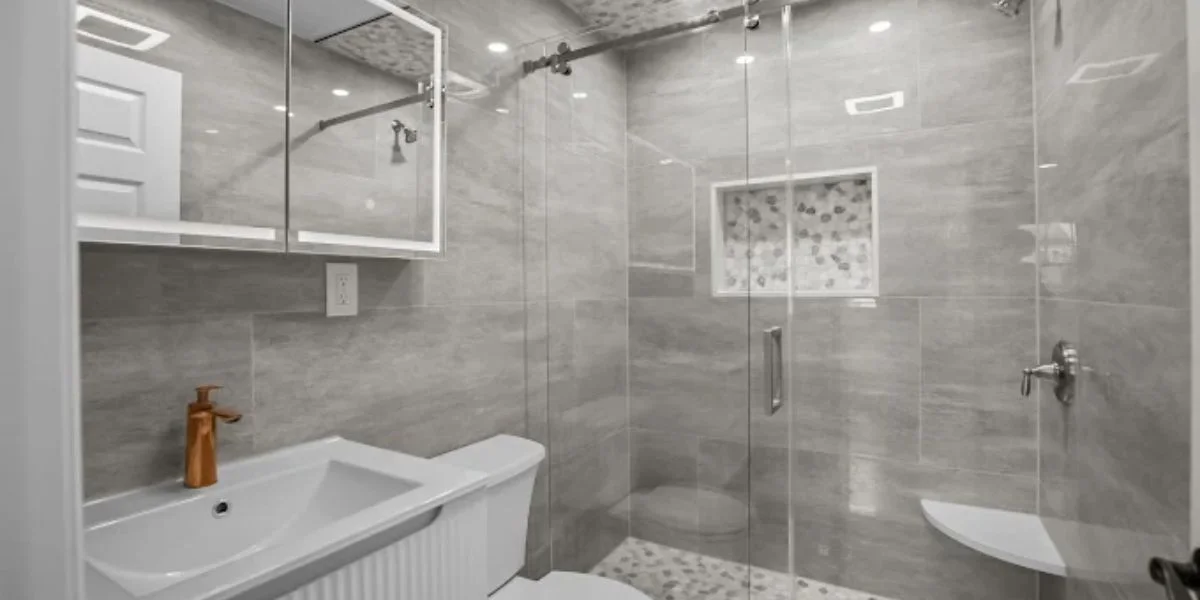
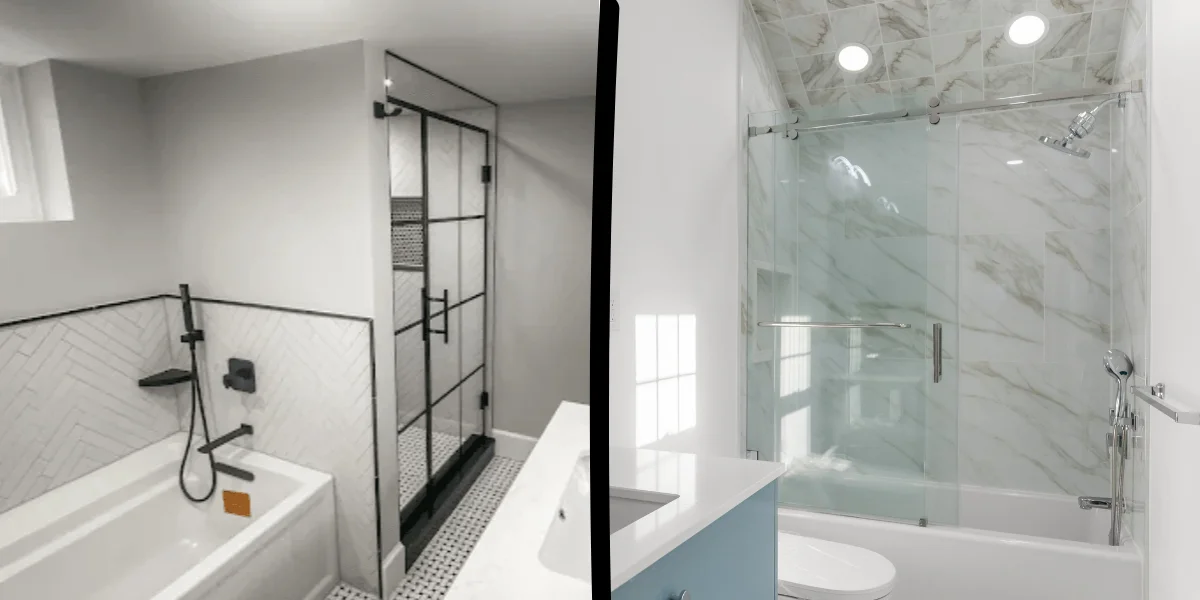
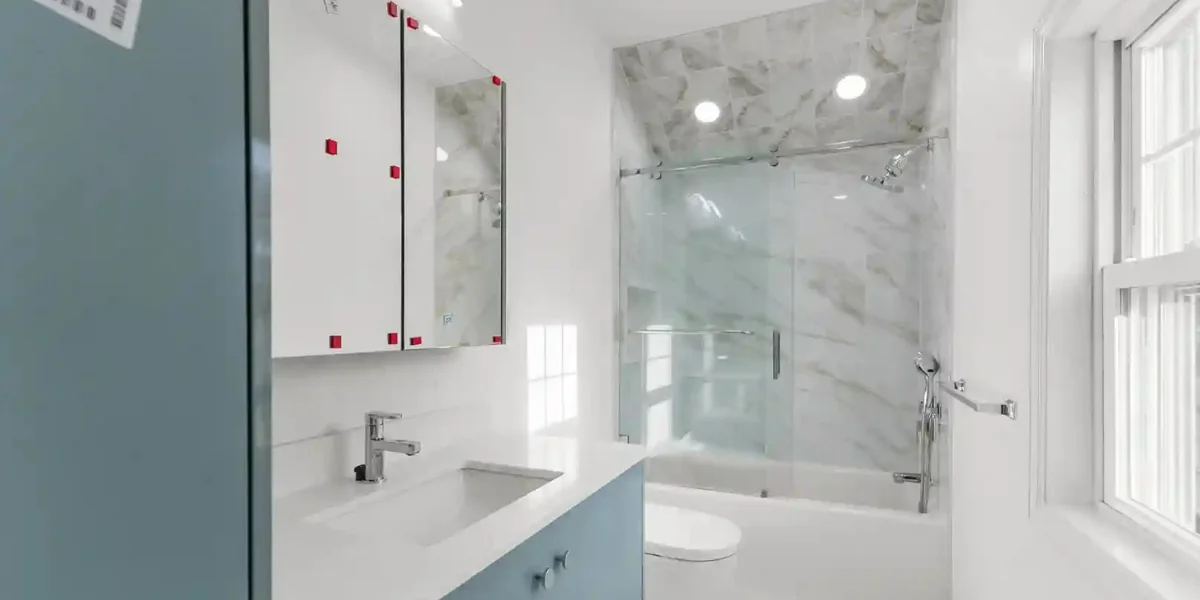
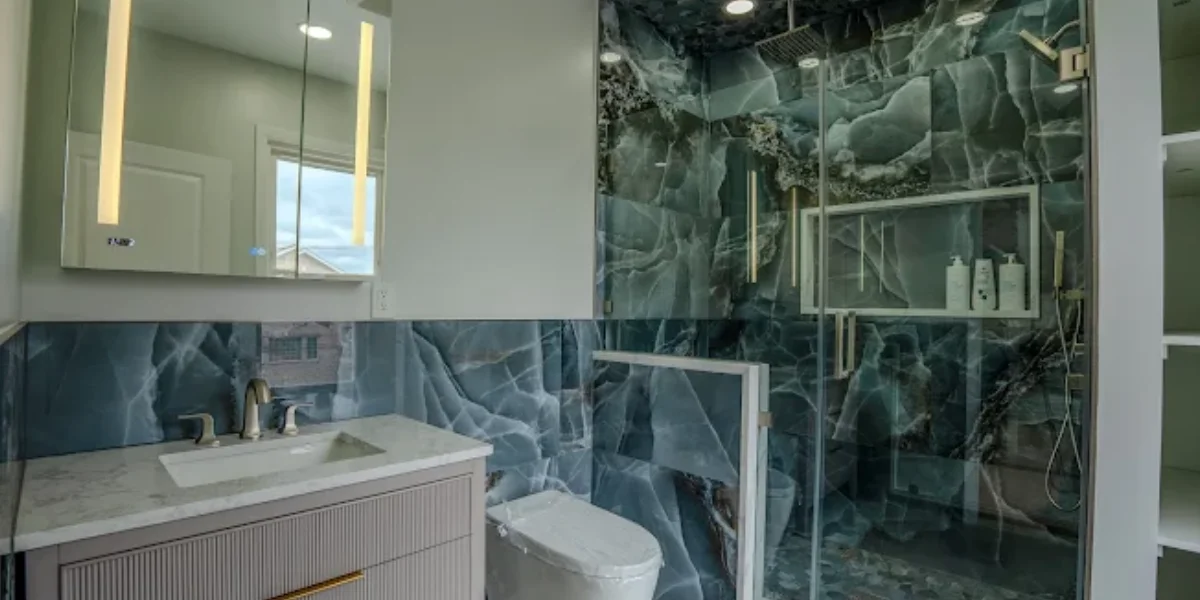
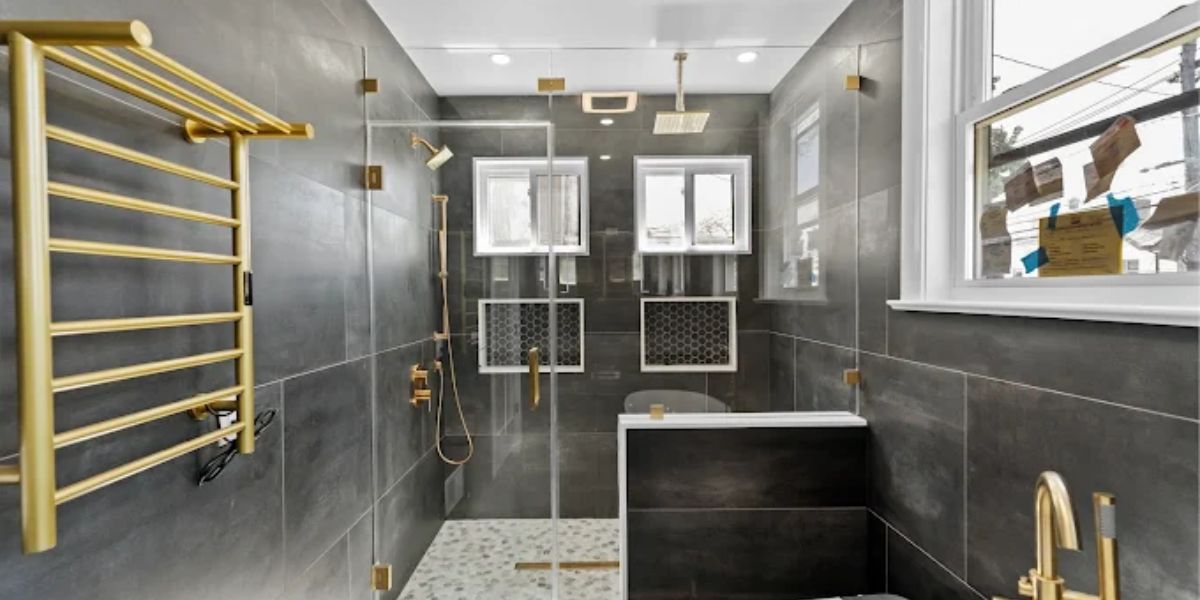
Walk-in shower with clear glass
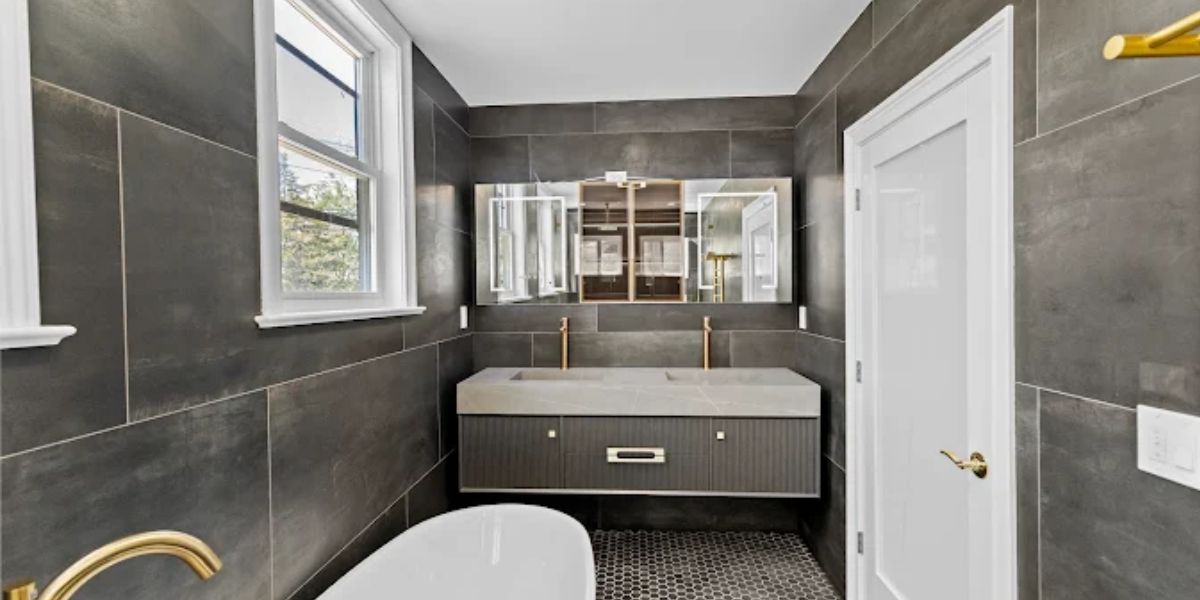
Floating vanity to open floor space
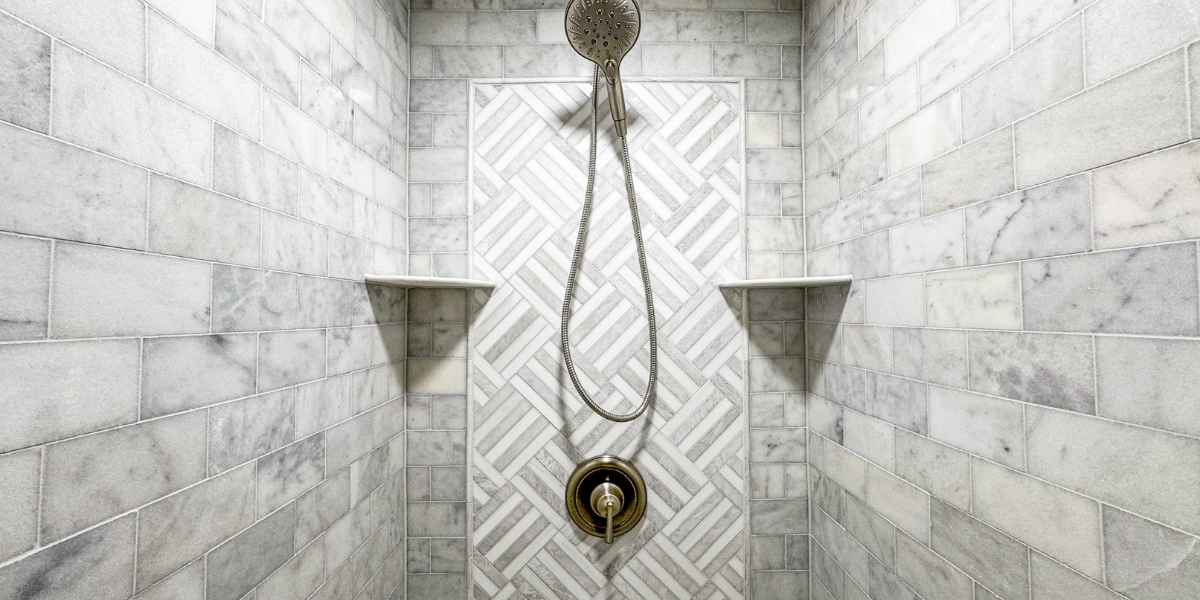
Built-in shower niches for storage
Large format wall tile for a clean look
Matte black, chrome, or brushed nickel fixtures
Start by checking whether your current layout works. If the shower, toilet, and vanity are already in good spots, keep them where they are. This avoids moving plumbing and helps the remodel stay simpler and more affordable. Only change the layout if it solves a real problem.
Before any work begins, choose your tile, fixtures, colors, and finishes. Having your design ready prevents delays and keeps the project organized. This step sets the visual direction of the whole remodel, so take time to confirm your choices.
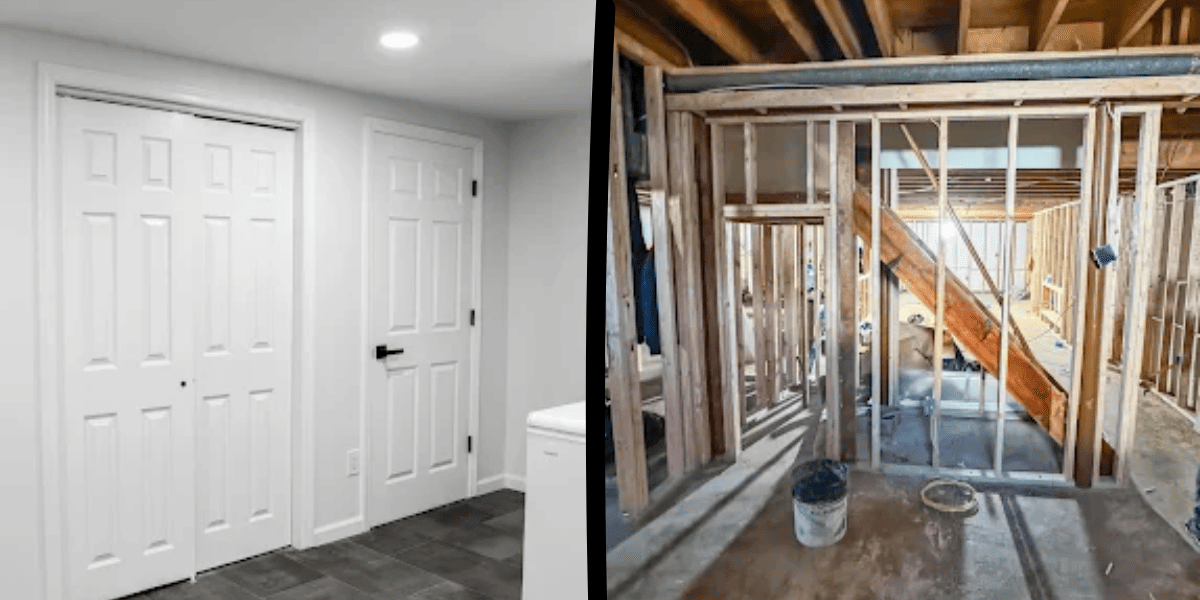
Once the plan is set, the old materials are removed. This includes tile, fixtures, drywall, and any damaged areas hidden behind the walls. Demolition clears the space so the new plumbing, waterproofing, and tile can be installed correctly.
After demolition, the crew updates the pipes, wiring, and ventilation. This stage prepares the bathroom for new fixtures and ensures everything meets safety standards. Any needed changes to drains, outlets, or lighting are done at this point.
Cement board and waterproofing are installed around the shower and other wet areas. Once the base is ready, the tile work begins. This stage takes time because each tile must be set with precision for a clean and even finish.
When the tile is complete, the walls are prepped and painted. This gives the bathroom a clean backdrop for the final fixtures. Painting at this stage prevents damage to fresh tile or newly installed finishes.
The last step is installing the vanity, toilet, lighting, mirrors, shelves and hardware. These pieces bring the design together and complete the space. Once everything is in place, the bathroom is ready for use.
A bathroom remodel follows a simple order. First, plan the layout and confirm your design choices. Next comes demolition, followed by plumbing and electrical updates. After that, the crew installs waterproofing, then sets the tile. The final steps are painting the walls and installing the fixtures
The golden rule is to design around function first. Keep the toilet, vanity, and shower in positions that allow easy movement and avoid tight corners. Make sure the room has a clear flow, proper lighting, and enough space for doors or sliding options. A layout that works well for daily use will always look better and last longer.
A well designed shower adds the most value, followed by improved lighting, a quality vanity, and organized storage. Clean tile lines, modern fixtures, and a layout that uses the space well make a bathroom feel updated and more useful. These design choices stand out to both homeowners and future buyers.
Designing a bathroom remodel is easier when you follow a clear plan. Start with your needs, choose a style you like, and focus on practical decisions such as layout, storage, and materials. Each step builds on the last, giving you a design that works well and fits your home.
If you want help turning your design ideas into a complete remodel plan, Adan Construction LLC can help you every step. For questions or to schedule a consultation call (201) 500-5742 and get started with a clear, detailed plan for your bathroom project.



.png)
.png)


.webp)




.jpg)