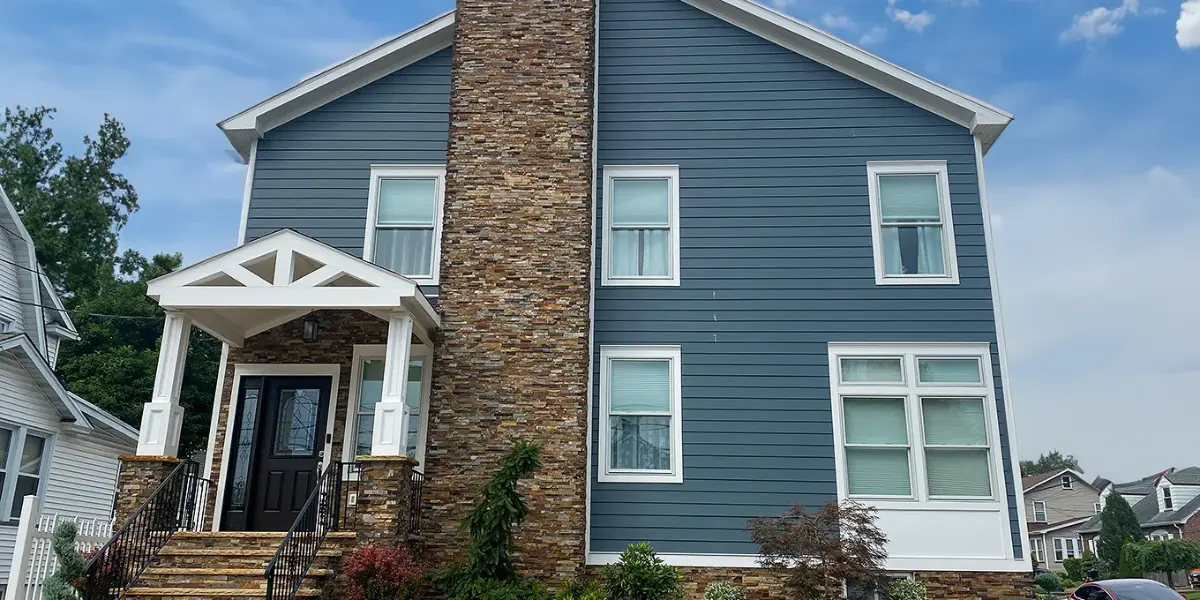
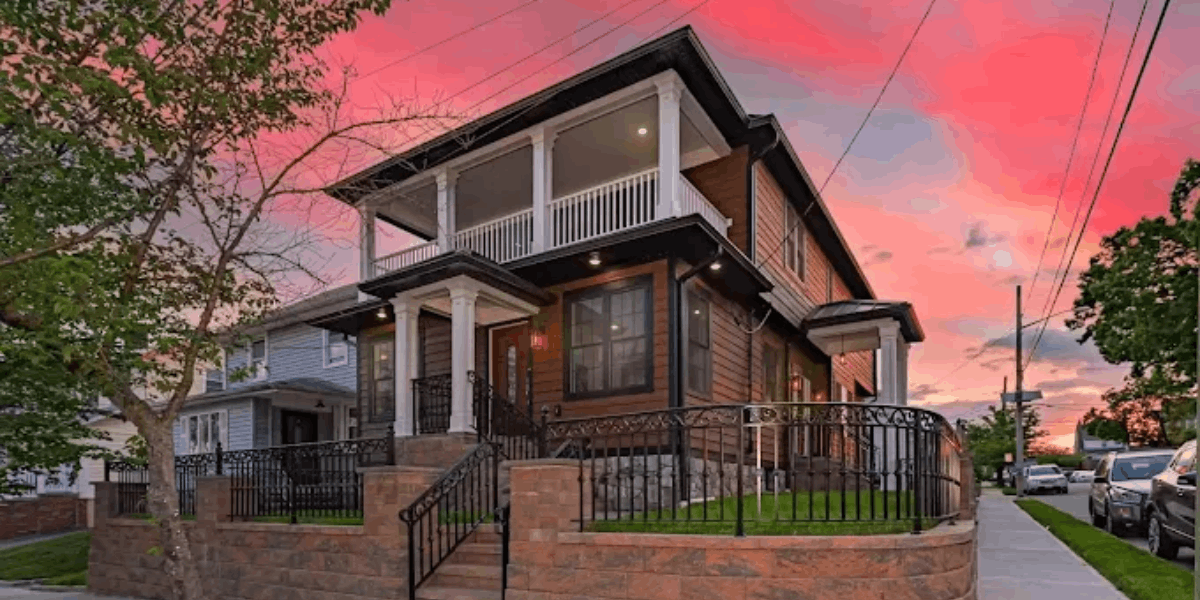
Expanding a home upward is one of the biggest construction decisions a homeowner can make in New Jersey. A second floor addition is not just about adding space, it changes the structure, strength, and long-term value of the entire property.
Many homeowners start this journey with one question: how much does it actually cost, and is it worth it compared to moving or remodeling? The answer depends on multiple real factors like structure condition, design complexity, and local permit rules.
This guide breaks down real second floor addition cost in NJ, what drives pricing, hidden expenses, timelines, and how experienced contractors approach the process in real projects.
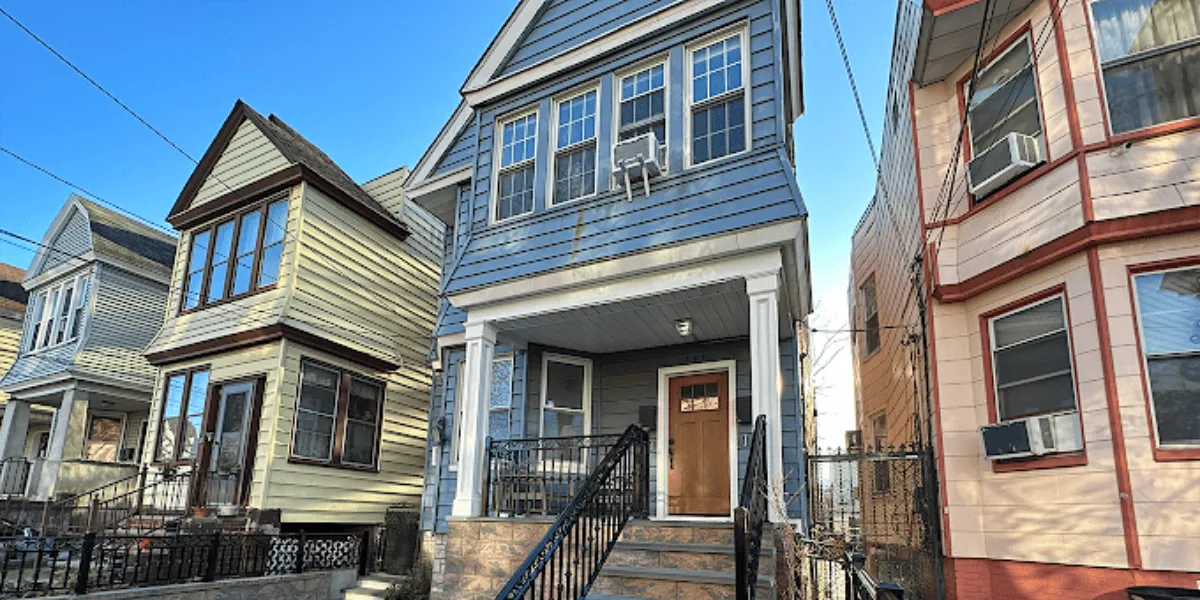
A second floor addition in New Jersey is one of the most complex residential upgrades a homeowner can take on. It is not a surface-level renovation. It involves changing how the entire structure carries weight and how the home functions as a complete system.
In most cases, the process begins with removing the existing roof and evaluating whether the foundation and load-bearing walls can support an additional level.
This is why second floor projects vary so much from house to house in NJ. Age of the home, original construction quality, and local building standards all play a role in determining feasibility and cost.
At this stage, many homeowners also start evaluating long-term improvement planning, especially when thinking about how Home Projects Add the Value over time in competitive New Jersey housing markets.

The cost of a second floor addition in New Jersey typically falls between $200 and $400 per square foot for standard projects. More complex designs, custom layouts, or structural upgrades can push the cost beyond $600 per square foot.
However, pricing is not only about size. Two homes with the same square footage can have completely different budgets depending on structural condition, engineering requirements, and local permit regulations.
This is where most homeowners miscalculate. They assume square footage defines the cost, but in reality, the condition of the existing home often has a bigger financial impact than the size of the addition itself.
Before moving forward, many families also compare whether it is more practical to invest in expansion or relocation, especially when evaluating Cheaper To Buy A New Home Or Remodel in today’s New Jersey housing market.
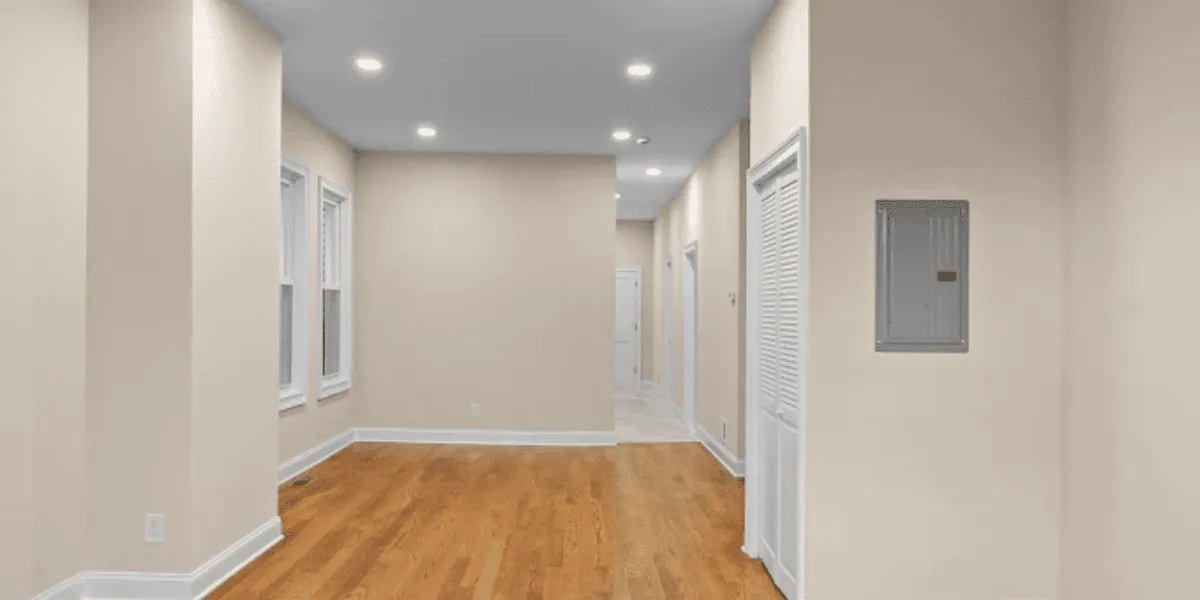
Before any construction begins, the home must be evaluated to confirm whether it can support a second level. If the foundation is weak or outdated, reinforcement work is required. This step alone can significantly influence the overall budget.
Design plays a major role in cost. A simple stacked layout is more affordable because it aligns with the existing structure. However, custom floor plans, extended rooms, or roof redesigns require more engineering, more materials, and more labor.
Adding a second floor means the entire home system must be expanded or rebalanced. Electrical panels may need upgrades, plumbing lines must be extended, and HVAC systems must be recalculated to ensure proper airflow across both levels.
Every city in New Jersey has its own permit process. Approvals, inspections, and compliance checks can affect both timeline and cost. In some municipalities, delays are common due to strict structural and zoning regulations.
A second floor addition often includes costs that are not obvious at the beginning. One of the biggest is roof removal, which is required before any vertical construction can start. In some cases, structural framing must also be rebuilt before the new floor is added.
Temporary relocation is another factor homeowners often underestimate. Depending on the scope of work, living inside the home during construction may not be practical or safe.
Material pricing can also fluctuate during longer projects, especially those that take several months to complete. When it comes to timeline, most projects move through three major stages. First is planning and design. Finally comes construction, which includes demolition, framing, system installation, and finishing work.
Many homeowners only fully understand the disruption once they start planning schedules and realize how long Home Remodel takes, especially for structural projects of this scale.
In many NJ areas, moving into a larger home is significantly more expensive than expanding an existing one. This is why many homeowners seriously evaluate renovation instead of relocation.
A properly executed second floor addition can significantly increase resale value, especially in high-demand neighborhoods where land is limited and housing demand is strong.
Understanding how long Home Remodel Take helps homeowners plan living arrangements and manage expectations during construction. Most projects require patience, but the long-term outcome often justifies the disruption.
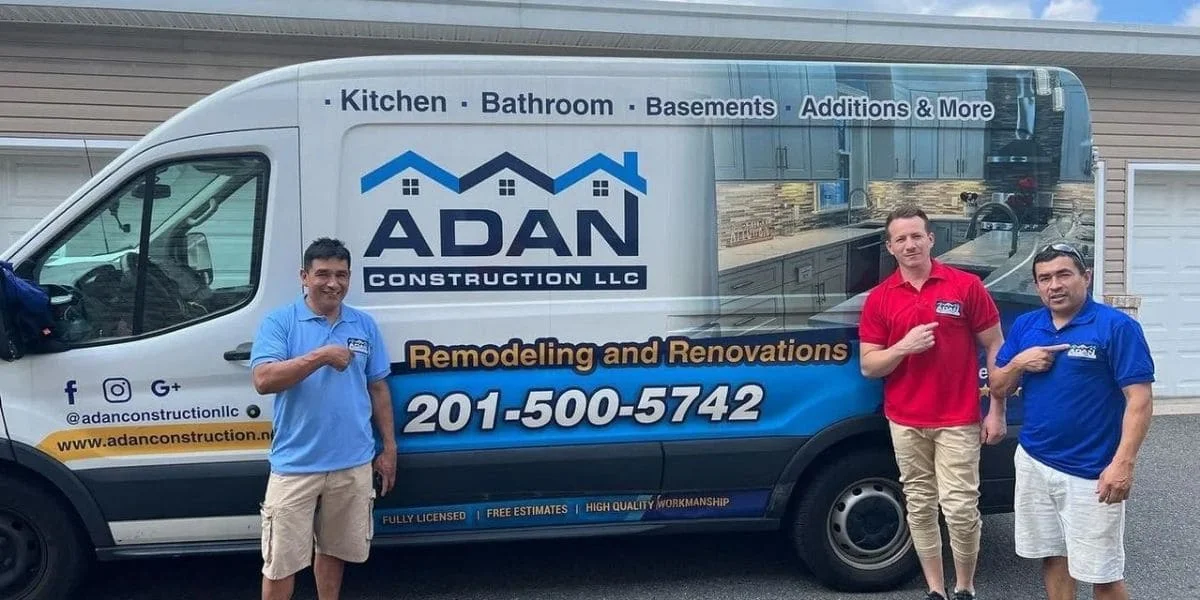
Every project begins with a full inspection of the existing structure. This determines whether reinforcement is needed and helps define realistic project scope from the start.
Instead of generic estimates, pricing is based on real structural conditions. This approach reduces unexpected cost changes during construction.
All engineering approvals, permits, and inspections are handled in alignment with New Jersey municipal requirements to avoid delays.
From roof removal to final finishing, each stage is managed in a structured workflow focused on safety, durability, and long-term performance.
A second floor addition in New Jersey typically costs between $200 and $400 per square foot for standard builds. Complex or custom designs can exceed $600 per square foot depending on structural work, materials, and permit requirements.
In most New Jersey areas, adding a second floor is usually more cost-effective than buying a new home. This is mainly because property prices, closing costs, and relocation expenses are significantly higher compared to renovation.
A typical second floor addition in NJ takes around 4 to 9 months. The timeline depends on design complexity, permit approval speed, structural changes, and weather conditions during construction.
Yes, every second floor addition in New Jersey requires permits. This includes zoning approval, structural engineering review, and multiple inspections to ensure compliance with local building codes.
Yes, a properly designed second floor addition can significantly increase property value in New Jersey. Homes with added square footage and improved layouts generally perform better in resale, especially in high-demand neighborhoods.
A second floor addition is one of the most effective ways to increase living space without changing location. But it is also one of the most technically demanding residential projects in New Jersey.
The final cost depends on structure, design complexity, permits, and system upgrades. Proper planning and experienced execution are what turn it into a long-term investment rather than a risky construction project.
If you are planning a second floor addition in New Jersey, Adan Construction can help you with accurate pricing, structural evaluation, and complete project execution from start to finish. Call us at 201-500-5742 to discuss your project and get expert guidance tailored to your home.


.png)
.png)


.webp)




.jpg)